

West Asia Conflict: Government Considers Request for Companies to Reduce Exports and Boost Auto Fuel, LPG Supplies

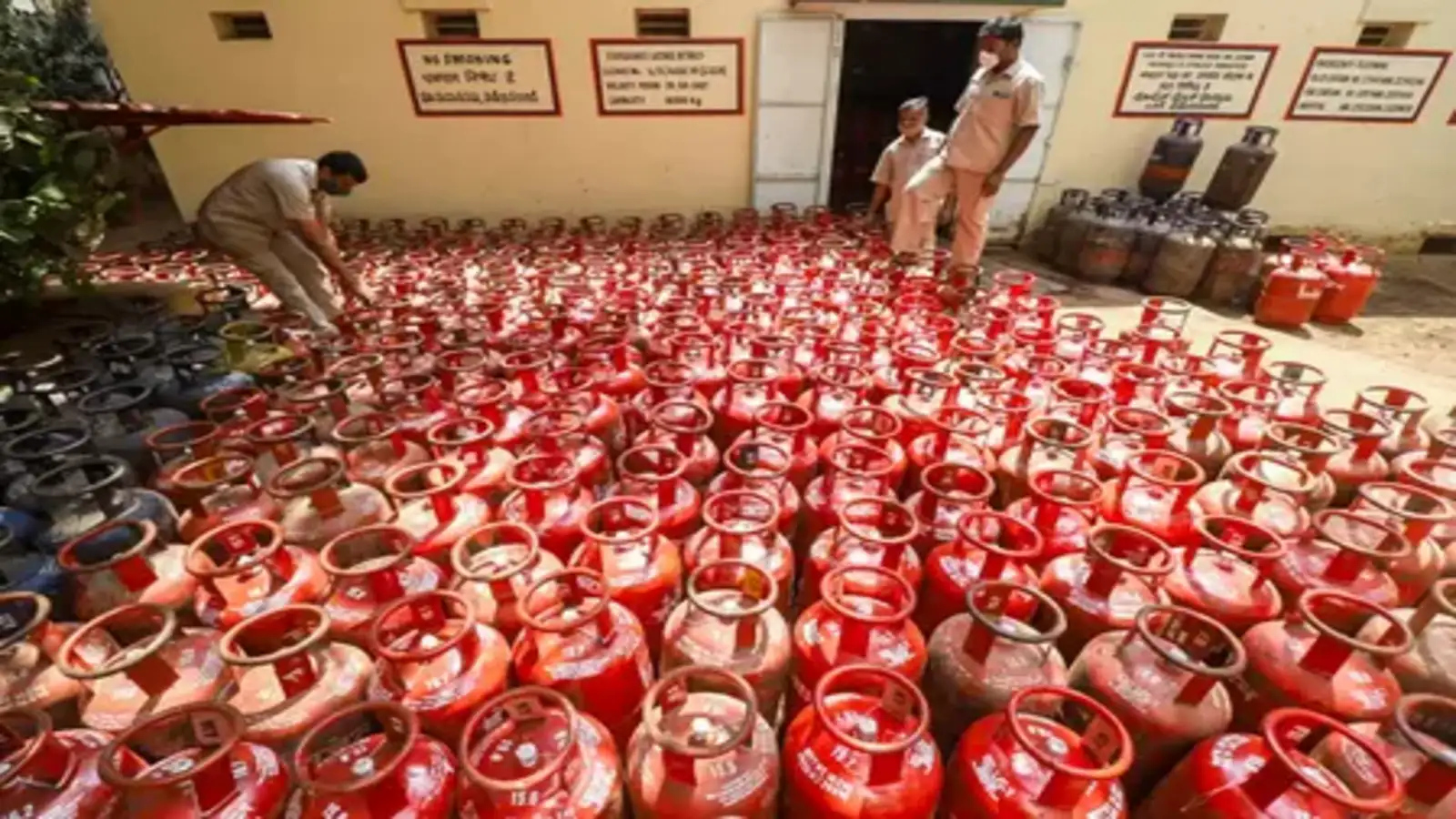
Amid rising concerns over potential crude oil shortages due to geopolitical tensions, the Indian government is urging refiners to prioritize domestic fuel supply by reducing exports. This initiative aims to ensure a steady availability of auto fuel and cooking gas in the local market. Although officials maintain that there is currently no shortage, refiners are exploring alternative sources to offset crude supply disruptions stemming from conflict in West Asia. The situation has already led to increased oil and gas prices, raising inflationary pressures in the country.
Government’s Response to Supply Concerns
In light of recent developments, including drone attacks on Saudi Aramco facilities and a pause in gas exports from Qatar, India’s Petroleum Minister Hardeep Singh Puri convened a meeting with oil companies to evaluate the current availability of crude oil and gas. The oil ministry emphasized its commitment to monitoring the situation closely and taking necessary measures to ensure that essential petroleum products remain accessible and affordable for consumers. Despite the escalating tensions, officials have indicated that retail fuel prices are unlikely to rise immediately, as oil marketing companies are adopting a measured approach to manage costs. Retail prices for petrol and diesel have remained stable since April 2022, with companies absorbing losses during periods of high global prices.
India’s Dependence on Imports
India’s reliance on imports for its energy needs is significant, with approximately 90% of its crude oil requirements and 60-65% of its liquefied petroleum gas (LPG) demand being met through foreign sources. The majority of these imports come from West Asia, with shipments typically routed through the strategically important Strait of Hormuz. This chokepoint is now under threat due to ongoing conflicts in the region, raising alarms about potential supply disruptions. The International Energy Agency reports that in 2023, India exported about 5.9% of its petroleum production, with major export destinations including the Netherlands, UAE, the US, Singapore, Australia, and China.
Market Reactions and Future Outlook
As the global market reacts to the uncertainty surrounding energy supplies, Indian refiners are proactively engaging with traders to secure alternative capacities. The recent decision by Qatar to suspend gas shipments has heightened concerns, prompting refiners to explore diverse supply options. An oil company executive noted that while immediate disruptions could pose challenges, Indian players have access to a broad portfolio of liquefied natural gas (LNG) sources, including suppliers from the United States. This flexibility allows for the rerouting of vessels through the Suez Canal, mitigating the impact of potential blockades in the Strait of Hormuz.
Long-term Strategies for Energy Security
Looking ahead, the Indian government and oil companies are focused on ensuring that supply lines remain open and that the country can navigate the complexities of the global energy market. Despite the current volatility in oil and gas prices, officials are optimistic that alternative supply routes and partnerships will help stabilize the situation. The Reliance refinery in Jamnagar, recognized as the largest exporter in India, plays a crucial role in the country’s energy landscape. As the government continues to monitor the evolving geopolitical climate, it remains committed to safeguarding the energy needs of its citizens while balancing the challenges posed by international market fluctuations.
Observer Voice is the one stop site for National, International news, Sports, Editor’s Choice, Art/culture contents, Quotes and much more. We also cover historical contents. Historical contents includes World History, Indian History, and what happened today. The website also covers Entertainment across the India and World.
Follow Us on Twitter, Instagram, Facebook, & LinkedIn

