

Understanding the Ongoing 18% Tariff Imposed by the Understanding the Ongoing 18% Tariff Imposed by the Trump Administration on IndiaAdministration on India

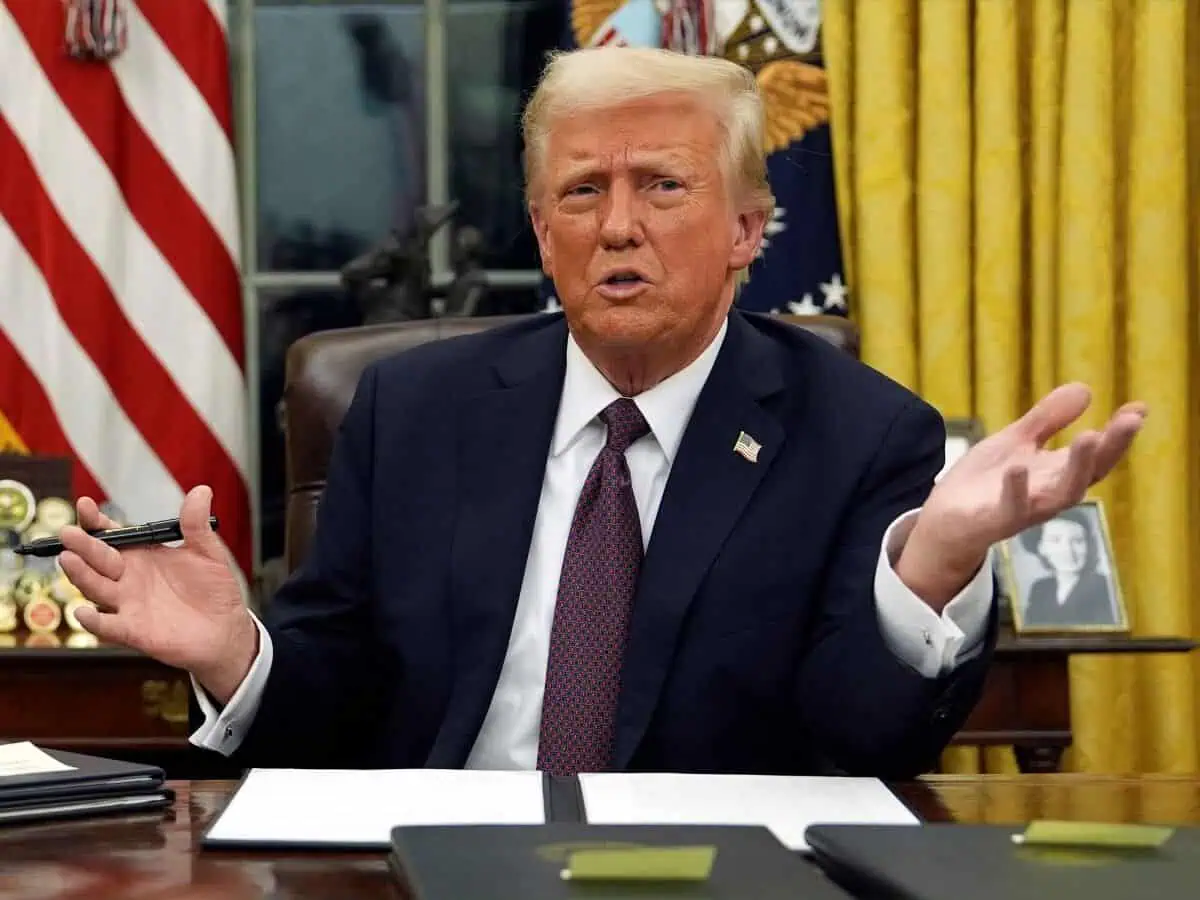
US Trade Representative Jamieson Greer announced on Tuesday the rationale behind the Trump administration’s decision to impose an 18% tariff on Indian goods, citing a significant trade deficit with India. Greer emphasized that the US is in the process of finalizing a trade agreement with India, which was initially announced earlier this week. This agreement aims to address the growing trade imbalance and includes provisions for tariff reductions on both sides.
Rationale Behind the Tariff
Greer explained that the decision to maintain an 18% tariff is a response to the substantial trade surplus India holds with the United States. He noted that this surplus reached USD 53.5 billion in the first 11 months of 2025, compared to USD 45.8 billion for the entire year of 2024. The US aims to reduce tariffs on most Indian goods from 50% to 18%, while India has committed to lowering its tariffs on various US products. Greer stated, “The reason we’re maintaining some level of tariff 18% is because we have this giant trade deficit with them.” He also mentioned that India is keeping certain protections around its agricultural goods, which will be a point of negotiation in the ongoing discussions.
Tariff Reductions on US Products
In a reciprocal move, India has agreed to eliminate tariffs on American industrial goods, reducing them from 13.5% to zero. This includes a wide range of agricultural and manufactured products, such as tree nuts, wine, spirits, fruits, and vegetables. However, Greer did not specify whether rice, beef, soybeans, sugar, or dairy products would be included in this agreement, as these items were excluded from India’s recent trade deal with the European Union. The reduction in tariffs is expected to enhance trade relations and provide a boost to various sectors in both countries.
Focus on Agriculture and Energy Trade
Greer highlighted the US’s commitment to gaining greater access to India’s protected agricultural sector. He mentioned that both nations have reached an understanding regarding technical barriers to trade, which have previously hindered the acceptance of US standards in India. He stated, “We’ve reached an understanding and an agreement with the Indians as well on a variety of technical barriers to trade.” This agreement could potentially open up a market of over one billion people to more American goods. Additionally, Greer noted that the US is closely monitoring India’s energy trade, particularly its imports of Russian crude oil, and is encouraging India to diversify its energy sources by increasing purchases of US products.
India’s Position and Benefits from the Agreement
India’s Commerce and Industry Minister Piyush Goyal confirmed that the agreement would protect sensitive sectors, particularly agriculture and dairy. He expressed confidence that the deal would create opportunities for labor-intensive sectors such as textiles, apparel, and leather, with US duties on these products decreasing to 18%. Goyal described the agreement as “very good,” stating that it positions Indian exporters favorably compared to competitors facing higher tariffs in the US market. The reduction in tariffs is expected to enhance India’s competitiveness, particularly in sectors that have been adversely affected by steep US tariffs. The agreement is anticipated to benefit labor-intensive industries, with exports from these sectors facing tariffs of up to 50% being reduced significantly.
Observer Voice is the one stop site for National, International news, Sports, Editor’s Choice, Art/culture contents, Quotes and much more. We also cover historical contents. Historical contents includes World History, Indian History, and what happened today. The website also covers Entertainment across the India and World.
Follow Us on Twitter, Instagram, Facebook, & LinkedIn

