

Ulcerative Colitis: Understanding Flares, Remission, and Surgical Options

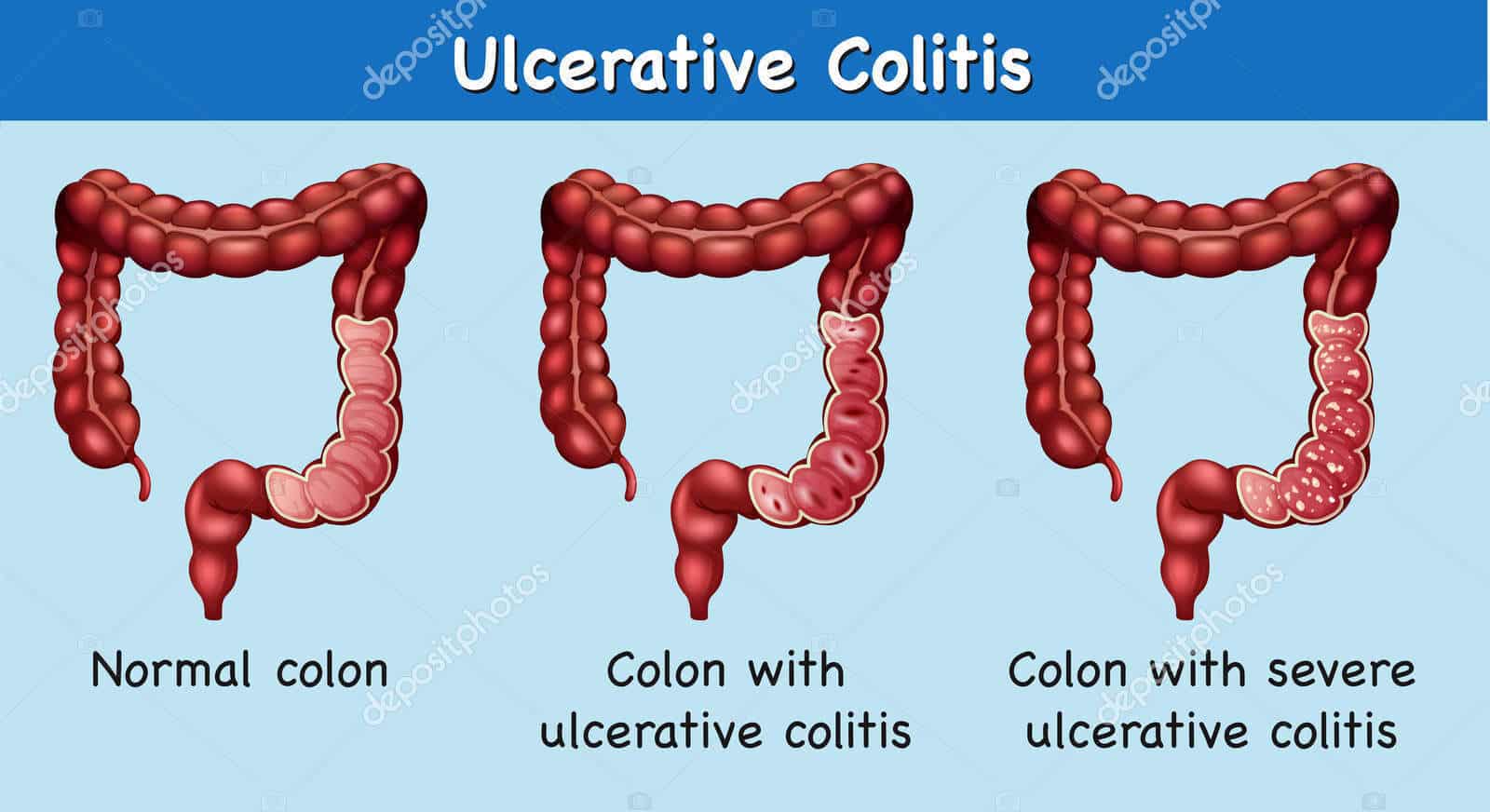
Imagine weeks of feeling completely healthy, eating normally, and living life without digestive concerns. Then suddenly, without warning, you wake with urgent diarrhea and abdominal pain that forces you to stay near a bathroom. Blood appears in your stools, and fatigue overwhelms you. This unpredictable cycle of remission and flares characterizes ulcerative colitis—a chronic autoimmune inflammatory disease affecting the colon and rectum. Ulcerative colitis, commonly abbreviated as UC, is one of the two main forms of inflammatory bowel disease (IBD). Unlike Crohn’s disease which can affect any part of the digestive tract, ulcerative colitis is limited to the colon (large intestine) and rectum. The disease causes inflammation of the innermost lining of the colon, creating ulcers and bleeding. Ulcerative colitis affects approximately 3 million people in the United States and 30 million people worldwide. The disease strikes people of all ages but typically develops in young people aged 15 to 35 years. Men and women are equally affected. The incidence is rising, particularly in developed countries. What makes ulcerative colitis particularly challenging is its unpredictable pattern of flares and remissions. A patient might enjoy months or even years of remission—periods when symptoms improve or completely resolve. Then a flare strikes, bringing severe symptoms that disrupt work, school, and social life. Some flares are mild and managed at home. Others are severe, requiring hospitalization. This unpredictability creates constant anxiety—patients never know when the next flare might occur or how severe it will be. Furthermore, while ulcerative colitis is limited to the colon, it still causes serious complications and significantly impacts quality of life. The disease can affect areas beyond the colon, causing joint pain, eye inflammation, and skin manifestations. In severe, untreated cases, life-threatening complications can develop. However, modern treatments have dramatically improved outcomes. Where previous generations of ulcerative colitis patients faced progressive disability and early surgery, today’s patients have access to biologic medications achieving remission in many cases. Furthermore, surgery—while still necessary in some cases—is now optional rather than inevitable, allowing patients to choose when or whether surgery is right for them. In this comprehensive article, we will explore what ulcerative colitis is, understand the disease cycle of flares and remissions, recognize flare symptoms requiring medical attention, learn about management strategies maintaining remission, explore surgical options when medical management is inadequate, and discover how people can live well with ulcerative colitis maintaining quality of life and emotional wellbeing.
Understanding Ulcerative Colitis: The Basics
Ulcerative colitis is a chronic autoimmune inflammatory disease affecting the colon and rectum. The disease is characterized by inflammation limited to the mucosa—the innermost lining of the intestinal wall. Unlike Crohn’s disease where inflammation penetrates through all layers of the intestinal wall, ulcerative colitis inflammation is superficial, affecting only the innermost lining. This limited inflammation pattern explains why certain complications common in Crohn’s disease—strictures (narrowing), fistulas (abnormal tunnels), and abscesses (pus pockets)—are much less common in ulcerative colitis. However, mucosal inflammation causes severe ulceration. The inflamed mucosa develops ulcers—breaks in the lining. These ulcers bleed, causing bloody diarrhea. The ulcers sometimes perforate, causing toxic megacolon—a medical emergency where the colon dilates and loses normal function. In ulcerative colitis, the body’s immune system mistakenly attacks the colon’s lining. T lymphocytes and other immune cells infiltrate the mucosa, producing inflammatory chemicals including TNF-alpha and IL-6. These inflammatory signals cause the mucosal lining to swell, ulcerate, and become damaged. The inflammatory attack is continuous—unlike Crohn’s disease where inflammation has skip lesions with normal tissue between diseased areas, ulcerative colitis shows continuous inflammation. If the rectum is affected, inflammation extends continuously from the rectum into the colon without gaps. The extent of disease varies between patients. Some patients have disease affecting only the rectum (proctitis). Others have disease extending throughout the entire colon (pancolitis). The extent of disease sometimes correlates with symptom severity—more extensive disease typically causes worse symptoms. However, symptom severity also depends on inflammation intensity—some patients with limited disease experience severe symptoms while others with extensive disease have mild symptoms. Understanding ulcerative colitis as an autoimmune inflammatory condition helps explain why the disease causes the symptoms it does and why anti-inflammatory and immune-suppressing medications are effective treatments. The chronic, relapsing nature of ulcerative colitis reflects the ongoing immune dysfunction. Without treatment controlling inflammation, the disease persists indefinitely. However, modern treatments suppress immune attack, allowing remission—a state where inflammation subsides and symptoms improve or resolve completely.
The Disease Cycle: Understanding Flares and Remissions
Ulcerative colitis characteristically follows a pattern of flares and remissions. Understanding this cycle helps patients recognize when they are entering flare phases and when they can anticipate remission, though the timing remains unpredictable. Remission is a period when inflammation subsides and symptoms improve or completely resolve. During remission, patients feel essentially normal. Diarrhea resolves or dramatically improves. Abdominal pain subsides. Energy returns. Patients can eat normally, sleep through the night, and participate fully in work, school, and social activities. For some patients, remission is complete—no symptoms at all. For others, mild residual symptoms persist despite significant improvement. Remission duration is unpredictable. Some patients experience remission lasting months or even years. Others experience remission lasting only weeks before the next flare. Some patients transition directly from one flare to another without intervening remission. The unpredictability makes life planning difficult. Many patients report that remission is when they truly feel like themselves. They regain confidence, pursue activities they love, and feel hopeful about the future. Remission allows recovery from flare-related damage and restoration of quality of life. A flare is a period when inflammation worsens and symptoms worsen significantly. Flares typically develop over days or weeks as inflammation increases. Symptoms during flares include frequent urgent diarrhea, abdominal pain, blood in stools, fever, and fatigue. Some flares are mild and manageable at home with medication adjustments. Others are severe, requiring hospitalization and intensive treatment. Flare severity is unpredictable—a patient might expect mild flare based on previous patterns and experience a severe flare, or vice versa. Flare duration varies. Some flares resolve within days with appropriate treatment. Others persist for weeks despite aggressive therapy. Patients describe flares as frightening and disruptive—symptoms cause embarrassment, limit activities, and create anxiety about when symptoms might strike. The transition from remission to flare is sometimes gradual—patients notice increasing diarrhea frequency or developing mild symptoms. Other times flares strike suddenly with little warning. Some patients report recognizing prodromal symptoms—early warning signs preceding full flare—that prompt early treatment seeking. Recognizing these early signs allows prompt intervention sometimes preventing severe flares. Flare triggers are incompletely understood but include stress, infections, certain foods, smoking, NSAIDs, and sleep deprivation. However, many flares occur without obvious triggers, reminding patients of the disease’s unpredictability. The cycle of flares and remissions creates a unique disease burden. Unlike conditions with constant symptoms, ulcerative colitis symptoms come and go unpredictably. This unpredictability makes planning difficult—patients never know if they will feel well enough for important events. The constant cycle creates psychological burden—anxiety during remission about when the next flare might occur, and despair during flares about whether symptoms will ever improve. However, the relapsing nature of ulcerative colitis also means that even severe flares eventually improve—remission eventually comes. This knowledge helps patients endure difficult flares with hope that improvement is coming.
Recognizing Flare Symptoms: When to Seek Medical Attention
Recognizing when ulcerative colitis symptoms indicate a flare requiring medical attention helps patients seek treatment early potentially preventing severe flares. Increased diarrhea frequency is often the first sign of an impending flare. Normal bowel frequency is one to three times daily. During flares, frequency increases to four or more times daily, sometimes 15 to 20 times daily during severe flares. The urgency—sudden, strong need to defecate—increases dramatically. Bloody stools develop or worsen during flares. Patients pass bright red blood mixed with stool or notice blood on toilet paper. Blood loss sometimes causes anemia. Abdominal pain or cramping develops or worsens. The pain is often crampy, relating to intestinal inflammation and muscle contractions. Severe pain sometimes requires pain medication. Fever during flares indicates active inflammation. Temperature elevation is usually mild, but higher fever suggests serious complications. Fatigue worsens during flares. Patients report overwhelming exhaustion contributing to inability to work or attend school. Weight loss occurs from diarrhea and reduced appetite. Unintended weight loss of several pounds indicates significant disease activity. Mucus in stools increases. Mucus mixed with blood is characteristic. Loss of appetite develops during flares. Eating sometimes triggers symptoms, leading to reduced intake. Nausea sometimes occurs. Tenesmus—a sensation of urgency without passage of stool—develops. Patients feel constant urge to defecate despite empty rectum. Joint pain sometimes develops during flares. Joints become painful and swollen. Eye symptoms including eye pain and redness suggest uveitis requiring urgent eye examination. These symptoms indicate flare activity and warrant medical attention. Mild flares managed at home with medication adjustments might resolve within days. Moderate flares usually require physician contact and sometimes medication changes or increased doses. Severe flares with high fever, severe pain, inability to maintain hydration, or signs of perforation require immediate hospitalization. Recognizing warning signs prompting emergency evaluation is crucial. Severe uncontrollable diarrhea causing dehydration. High fever suggesting serious infection or perforation. Severe abdominal pain suggesting perforation. Signs of shock including extreme weakness, dizziness, or confusion. Bloody diarrhea with severe bleeding causing anemia symptoms. These symptoms require immediate emergency care. Early recognition and appropriate medical intervention help control flares and prevent serious complications.
Maintenance Therapy: Keeping Remission
Once ulcerative colitis remission is achieved through acute flare treatment, maintenance therapy—ongoing treatment preventing future flares—is crucial. Without maintenance therapy, most patients experience flares within months to years. Maintenance medications keep inflammation suppressed maintaining remission. 5-aminosalicylate compounds (5-ASA) like mesalamine are effective maintenance therapy for ulcerative colitis. Unlike in Crohn’s disease where they are less effective, 5-ASA drugs work well in ulcerative colitis. These medications reduce inflammation and help maintain remission. Dosing varies based on disease extent—patients with more extensive disease typically require higher doses. These drugs are relatively well-tolerated with few side effects. Corticosteroids are not used for long-term maintenance due to serious side effects. Once remission is induced, corticosteroids are tapered and discontinued. Some patients with frequent flares might require low-dose corticosteroids, but this is not ideal. Immunosuppressive medications including azathioprine or 6-mercaptopurine maintain remission in patients with frequent flares or those dependent on corticosteroids. These medications suppress immune activity preventing flares. They require regular blood monitoring for side effects. Biologic therapies are increasingly used for maintenance of remission, particularly in patients with frequent flares or those dependent on corticosteroids. TNF inhibitors including infliximab, adalimumab, and etanercept maintain remission in about 40 to 50 percent of patients. Patients achieving remission with TNF inhibitors often remain in remission with continued therapy. If TNF inhibitor therapy is discontinued, flares often occur. Newer biologic therapies including IL-23 inhibitors show promise for maintenance therapy. Vedolizumab, an α4β7 integrin inhibitor, maintains remission in about 40 to 50 percent of patients. JAK inhibitors might become increasingly used for maintenance therapy. The choice of maintenance medication depends on disease severity, frequency of flares, and patient preference. Mild disease with infrequent flares might be maintained with 5-ASA alone. Moderate disease with periodic flares might require immunosuppressive medication. Severe disease with frequent flares requires biologic therapy. Early intervention with more aggressive maintenance therapy prevents accumulation of damage and reduces complications. Regular medical monitoring ensures maintenance therapy is working. If breakthrough flares occur despite maintenance therapy, medication adjustments are necessary. Some patients achieve long-term remission lasting years on appropriate maintenance therapy. Others have more treatment-resistant disease requiring medication changes or more aggressive therapy. Adhering to maintenance medication even during remission when patients feel well is crucial. Patients sometimes stop medication when symptoms resolve, thinking they no longer need treatment. This almost always leads to flares. Explaining that maintenance therapy prevents flares helps patients understand the need for continuous treatment even during remission.
Surgical Options: When Medical Management is Inadequate
While modern medications have reduced surgery necessity in ulcerative colitis, surgery remains important for patients whose disease does not respond to medical management or who choose surgery despite adequate medical control. Unlike Crohn’s disease surgery which treats complications without curing disease, ulcerative colitis surgery can completely cure the disease through colectomy. Total colectomy (removal of entire colon and rectum) cures ulcerative colitis because the disease is limited to the colon. Removing the colon removes all disease tissue. After colectomy, patients no longer have ulcerative colitis—the disease cannot recur because the diseased organ has been removed. However, colectomy creates need for bowel reconstruction. Different surgical approaches create different outcomes. Traditional colectomy with proctocolectomy and ileostomy involves removing colon and rectum and creating permanent opening (stoma) where the small intestine connects to skin. Stool continuously drains into external pouch (ileostomy bag) worn on abdomen. This approach is simplest surgically but requires lifetime external bag management. However, many patients find stoma management liberating—freedom from concerns about toilet access and control. Modern bowel reconstruction using J-pouch (ileal pouch-anal anastomosis or IPAA) creates reservoir from small intestine that connects to rectum, allowing bowel continuity. After IPAA surgery, patients evacuate bowel naturally through rectum without external bags. This preserves bowel continuity and continence. However, IPAA requires two or three surgical stages over several months. Post-operative bowel function typically results in 4 to 6 bowel movements daily—more frequent than normal but manageable. Some patients experience leakage or urgency, requiring pads. Overall, many patients report good quality of life with IPAA. Surgeries performed laparoscopically (minimally invasive) with small incisions recover faster than traditional open surgery. Indications for surgery include medical failure (inadequate response to aggressive medical therapy), intolerable medication side effects, severe acute complications (perforation, toxic megacolon), or patient choice. Some patients choose surgery despite adequate medical control—they prefer definitive treatment to lifelong medication dependency. Others choose surgery to avoid long-term immunosuppression risks. Still others are forced to choose surgery when medications fail. Early surgical consultation helps patients make informed decisions. Experienced colorectal surgeons discuss options, potential outcomes, and post-operative expectations. Pre-operative assessment ensures patients are healthy enough for surgery. Post-operative recovery includes dietary restrictions initially, gradual return to normal activities, and adaptation to bowel function changes. Most patients report that surgery, while significant, improves quality of life compared to uncontrolled disease or medication side effects. Approximately 25 percent of ulcerative colitis patients eventually require surgery. Modern surgery prevents the previously common outcome of patients requiring surgery. With effective medical management, many patients never require surgery.
Living with Ulcerative Colitis: Managing Flares and Maintaining Remission
Living with ulcerative colitis requires ongoing medical management, lifestyle modifications, symptom monitoring, and psychological adaptation. The unpredictable disease course makes this challenging but manageable with proper strategies. Taking maintenance medications exactly as prescribed is absolutely essential. Medications prevent flares by maintaining inflammation suppression. Missing doses or stopping medication when feeling well almost always triggers flares. Regular dosing maintains steady medication levels preventing breakthrough flares. Attending rheumatology or gastroenterology appointments ensures disease monitoring. Regular visits assess disease activity, medication effectiveness, and side effects. Blood tests monitor for complications or medication-related issues. Colonoscopy periodically assesses disease extent and severity. Regular monitoring prevents surprises and allows early flare detection. Identifying and avoiding personal triggers reduces flare frequency. Common triggers include high-fiber foods, dairy products, spicy foods, caffeine, and alcohol. However, individual triggers vary tremendously. Keeping food diaries helps identify personal triggers. Stress management is crucial since stress triggers flares. Meditation, yoga, counseling, or exercise help reduce stress. Setting boundaries helps reduce unnecessary stress. Pursuing enjoyable activities provides stress relief. Sleep optimization is important. Sleep deprivation increases flare risk. Creating good sleep habits helps. Some patients find nighttime bathroom urgency during flares requires nighttime accessibility to bathrooms. Sleep disruption from pain or diarrhea requires addressing through medication or other interventions. Smoking cessation is important. Smoking worsens ulcerative colitis severity. Smokers have more frequent flares and poorer treatment response. Smoking cessation dramatically improves disease control. NSAIDs should be avoided. NSAIDs including ibuprofen and naproxen can trigger flares. Acetaminophen is safer for pain. Dietary modifications help manage symptoms. During flares, low-fiber diets are tolerated better. Avoiding high-fiber foods, raw vegetables, and raw fruits helps. Avoiding dairy products helps if lactose intolerant. Limiting fat intake helps. Staying hydrated is crucial—diarrhea causes fluid and electrolyte loss. During remission, most patients tolerate normal diets though individual sensitivities vary. Exercise appropriate for current disease activity helps manage stress and mood. Gentle activities like walking or yoga are often well-tolerated. Excessive exercise during flares can worsen symptoms. Regular gentle activity during remission helps maintain fitness. Work and school considerations are important. Many ulcerative colitis patients maintain employment or schooling despite disease. Discussing ulcerative colitis with employers or teachers allows flexibility for medical appointments and symptom management. Frequent bathroom access is often necessary. Flexible schedules help accommodate symptom variability. Disability support becomes necessary for some patients with severe disease. Social connections help prevent isolation. Many patients withdraw from social activities due to bathroom urgency or embarrassment. Honest communication about limitations helps friends understand. Support groups provide understanding and mutual support. Family and caregiver support is invaluable. Educating loved ones about ulcerative colitis helps them understand limitations and needs. Open communication about disease impact helps relationships navigate changes. Mental health support is crucial. Depression affects many ulcerative colitis patients from disease burden and chronic illness. Anxiety about flares and toilet urgency is common. Counseling helps address psychological effects of chronic disease. Antidepressants help some patients. Support groups for patients with IBD provide understanding and hope. Financial planning is important. Medications and medical care create financial burden. Disability income might be necessary if unable to work. Insurance and financial counseling help navigate costs. Many organizations provide financial assistance for patients with ulcerative colitis. Sexual health might be affected by pain, fatigue, or psychological factors. Open communication with partners helps. Mental health support addresses sexual dysfunction. Many couples successfully maintain intimate relationships despite disease impact. Reproductive planning requires discussion with doctors. Most ulcerative colitis medications are safe in pregnancy. Pregnancy is possible for most patients with proper planning. Pre-pregnancy planning allows optimization of disease control and medication selection.
Frequently Asked Questions (FAQs)
Q1: Is ulcerative colitis contagious?
No, ulcerative colitis is absolutely not contagious. You cannot catch ulcerative colitis from another person through any form of contact, including sharing food, drinks, or bathrooms. Ulcerative colitis is an autoimmune disease resulting from the body’s own immune system malfunctioning, not from infection with contagious organisms. However, ulcerative colitis does run in families, suggesting genetic factors increase risk. If family members have ulcerative colitis or other autoimmune diseases, their risk is higher. Family members can assess personal risk through genetic counseling and watch for early symptoms.
Q2: Can ulcerative colitis be cured?
Ulcerative colitis cannot be cured with medical management alone because the underlying immune dysfunction is permanent. However, medical treatment can achieve remission—a state where inflammation subsides and symptoms improve or completely resolve. With proper medical management, many patients remain in remission long-term with excellent quality of life. However, the only true cure for ulcerative colitis is total colectomy—surgical removal of the entire colon and rectum. This surgery completely removes diseased tissue, eliminating ulcerative colitis permanently. However, surgery requires bowel reconstruction and involves significant lifestyle changes. Many patients prefer medical management to surgery when remission is achievable. Life expectancy with well-treated ulcerative colitis approaches normal.
Q3: Why is surgery sometimes necessary for ulcerative colitis?
Surgery becomes necessary when medical management fails—medications do not adequately control disease. Indications for surgery include uncontrolled severe disease despite aggressive medical therapy, intolerable medication side effects, severe acute complications like toxic megacolon or perforation, or patient preference for definitive treatment. Some patients choose surgery because they prefer one-time treatment to lifelong medication dependency. Others accept surgery when medications fail. Modern surgery with IPAA bowel reconstruction allows most patients to evacuate bowel naturally maintaining continence. Approximately 25 percent of ulcerative colitis patients eventually require surgery.
Q4: How long do ulcerative colitis flares last?
Flare duration varies tremendously. Mild flares might resolve within days with medication adjustments. Moderate flares usually last one to two weeks despite treatment. Severe flares can persist for weeks despite aggressive medical therapy. Some patients experience treatment-resistant flares requiring hospitalization. Flare duration depends on inflammation severity, treatment response, and individual factors. Prompt treatment initiation sometimes prevents flares from becoming severe. Some patients develop intuition about their typical flare patterns and can estimate probable duration based on initial symptoms.
Q5: Can someone with ulcerative colitis have children?
Yes, people with ulcerative colitis can have children. Most ulcerative colitis medications are safe in pregnancy, allowing successful pregnancies. However, pregnancy requires careful planning—some medications should be changed before conception. Disease activity sometimes improves during pregnancy, sometimes worsens—pregnancy effects on ulcerative colitis are unpredictable. Pre-pregnancy planning with gastroenterologists allows optimization of disease control and medication selection. Many people with ulcerative colitis successfully deliver healthy babies. Fertility is usually normal in ulcerative colitis, unlike in Crohn’s disease where fertility issues are more common.
Key Takeaways
Ulcerative colitis is a chronic autoimmune inflammatory disease affecting the colon and rectum. The disease characteristically shows continuous inflammation limited to the inner mucosal lining, distinguishing it from Crohn’s disease. Ulcerative colitis follows a relapsing-remitting course with unpredictable periods of flares (symptom worsening) and remissions (symptom improvement). Early flare symptoms including increased diarrhea frequency, bloody stools, abdominal pain, and fever warrant medical attention. Maintenance medications prevent flares and maintain remission—adherence is crucial even when patients feel well. Biologic therapies including TNF inhibitors achieve remission in many patients previously requiring surgery. Surgery—total colectomy with bowel reconstruction—cures ulcerative colitis by removing diseased colon. Approximately 25 percent of patients eventually require surgery. Modern IPAA bowel reconstruction allows natural bowel evacuation maintaining continence in most patients. With proper medical management and appropriate surgical intervention when necessary, most ulcerative colitis patients maintain good quality of life. Life expectancy with well-treated disease approaches normal. Psychological support helps patients cope with disease unpredictability and chronic illness burden. Understanding disease mechanisms and management options helps patients take active roles in disease control.
References
- World Health Organization (WHO). “Ulcerative Colitis and Inflammatory Bowel Disease.” Retrieved from https://www.who.int/
- American College of Gastroenterology. “Ulcerative Colitis Clinical Guidelines and Resources.” Retrieved from https://gi.org/
- Mayo Clinic. “Ulcerative Colitis: Causes, Symptoms, and Treatment.” Retrieved from https://www.mayoclinic.org/
- Cleveland Clinic. “Ulcerative Colitis: Complete Information and Management.” Retrieved from https://my.clevelandclinic.org/
- Crohn’s & Colitis Foundation. “Ulcerative Colitis Resources and Support.” Retrieved from https://www.crohnscolitisfoundation.org/
- National Institute of Diabetes and Digestive and Kidney Diseases. “Ulcerative Colitis Information.” Retrieved from https://www.niddk.nih.gov/
Related Articles on ObserverVoice.com
Explore more health and science topics on our platform:
- Inflammatory Bowel Disease (IBD): Crohn’s Disease vs Ulcerative Colitis
- Crohn’s Disease: Symptoms, Triggers, and Managing Life With It
- Understanding Autoimmune Diseases: When Your Immune System Attacks Itself
- The Digestive System: How Your Body Processes Food
- Chronic Inflammation: The Root of Many Diseases
- Living with Chronic Illness: Adaptation and Support Strategies
Disclaimer
This article adapts publicly available information from WHO’s Ulcerative Colitis and Inflammatory Bowel Disease page. This content is for informational and educational purposes only and does not constitute medical advice. [ObserverVoice.com] is a news and information platform — not a healthcare provider. If you suspect you have ulcerative colitis, experiencing persistent diarrhea, bloody stools, abdominal pain, or other digestive symptoms, consult a qualified gastroenterologist for proper evaluation. Early diagnosis and aggressive treatment are crucial for preventing serious complications and maintaining quality of life. Never ignore progressive digestive symptoms or assume they represent normal GI upset. Always seek guidance from licensed gastroenterologists and healthcare specialists for proper diagnosis, treatment selection, and ongoing management of ulcerative colitis.
Observer Voice is the one stop site for National, International news, Sports, Editor’s Choice, Art/culture contents, Quotes and much more. We also cover historical contents. Historical contents includes World History, Indian History, and what happened today. The website also covers Entertainment across the India and World.

