

Trump Initiates Investigation into Central Bank Chief Amid Fed Concerns

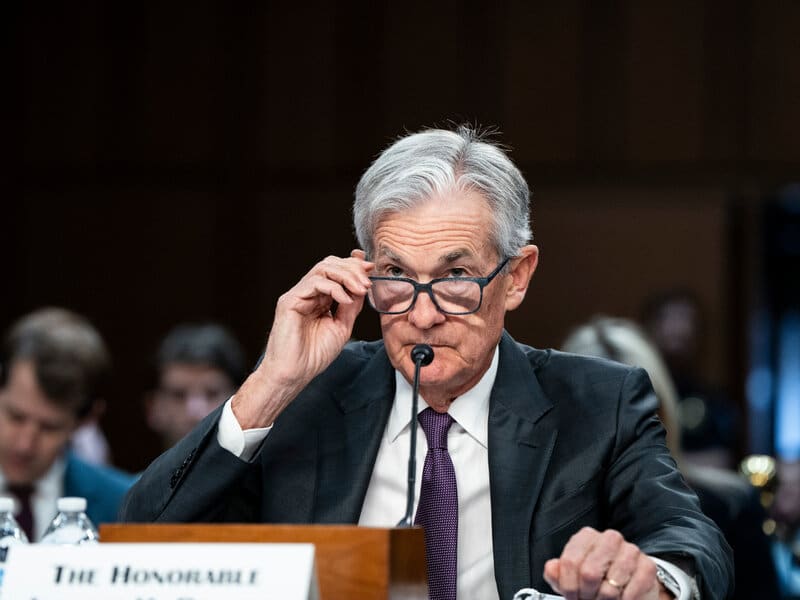
US President Donald Trump has initiated a significant clash with the Federal Reserve, launching a criminal investigation into Chair Jerome Powell. This unprecedented move has sent shockwaves through financial markets and political circles. The investigation stems from Powell’s testimony regarding cost overruns on a renovation project for the Federal Reserve’s headquarters, which Trump has labeled a scandal. As tensions rise, the implications for the Fed’s independence and the broader economic landscape are becoming increasingly concerning.
Investigation Details and Background
The criminal investigation into Jerome Powell was confirmed by the Fed Chair himself, who stated that it began with grand jury subpoenas issued to the Federal Reserve. The inquiry focuses on Powell’s statements made during a June testimony before the Senate Banking Committee, where he discussed the rising costs of a long-term renovation project for the Marriner S. Eccles Building. Initially estimated at $1.9 billion, the project’s costs have ballooned to approximately $2.5 billion due to inflation, supply chain issues, and unexpected construction challenges. Trump has expressed frustration with the Fed’s reluctance to lower interest rates, claiming that such policies hinder economic growth.
The investigation has raised alarms about the potential for criminal charges against Powell, which he has described as an unprecedented threat to the independence of the Federal Reserve. Powell argues that the subpoenas are being used as a political tool rather than a legitimate inquiry into wrongdoing. This situation marks a significant escalation in the ongoing tensions between the Trump administration and the central bank, which has historically operated with a degree of autonomy from political influence.
Political Reactions and Implications
The investigation has sparked a bipartisan response among lawmakers, with some Republicans expressing concern over the implications for the Federal Reserve’s independence. Senator Thom Tillis, a Republican member of the Senate Banking Committee, has vowed to block all Fed nominations until the investigation concludes. He argues that the inquiry undermines both the independence of the Fed and the Justice Department. Meanwhile, some Democratic lawmakers and economists have drawn parallels to historical attempts to politicize the central bank, warning that such actions could erode market confidence and destabilize the financial system.
The legal escalation has not only galvanized political figures but has also led to immediate reactions in financial markets. Following the announcement of the investigation, US stocks experienced a sharp decline, with the S&P 500 dropping over 1 percent before recovering. The US dollar weakened, and gold prices surged to record highs, reflecting investor anxiety during this period of uncertainty. Analysts caution that any perceived encroachment on the Fed’s independence could lead to long-term volatility across various financial markets.
Public Sentiment and Economic Concerns
Supporters of the investigation, particularly within Trump’s political base, argue that Powell should be held accountable if he misled Congress or mismanaged federal resources. Conservative commentators have criticized the Federal Reserve as an unaccountable entity, applauding Trump’s willingness to challenge its authority. However, critics, including mainstream economists and former Treasury officials, warn that the investigation poses a significant risk to the foundation of US monetary policy. The independence of the Federal Reserve, which has been respected by both Democratic and Republican administrations for decades, is seen as crucial for making policy decisions free from short-term political pressures.
Eroding this independence could complicate efforts to manage inflation and respond to future economic downturns, potentially having far-reaching consequences both domestically and globally. As the investigation unfolds, the broader implications for US economic governance and institutional integrity are becoming a focal point of national debate.
Powell’s Response and Future Outlook
Jerome Powell, whose term as Fed Chair is set to expire in May 2026, has publicly stated that he will not resign and intends to continue fulfilling the Federal Reserve’s dual mandate of price stability and maximum employment. In a defiant message, Powell emphasized the importance of standing firm in the face of threats to the institution’s independence. As Washington navigates this extraordinary confrontation between the executive branch and a key pillar of the economic establishment, investors and policymakers are closely monitoring the situation.
What began as a dispute over interest rates and construction costs has escalated into a national conversation about institutional independence, democratic norms, and the future of economic governance in the United States. The outcome of this investigation could have lasting effects on the relationship between the Federal Reserve and the executive branch, as well as the overall stability of the US economy.
Observer Voice is the one stop site for National, International news, Sports, Editor’s Choice, Art/culture contents, Quotes and much more. We also cover historical contents. Historical contents includes World History, Indian History, and what happened today. The website also covers Entertainment across the India and World.
Follow Us on Twitter, Instagram, Facebook, & LinkedIn

