

Trump Aide Urges India to Increase Efforts on Russian Oil for Tariff Relief

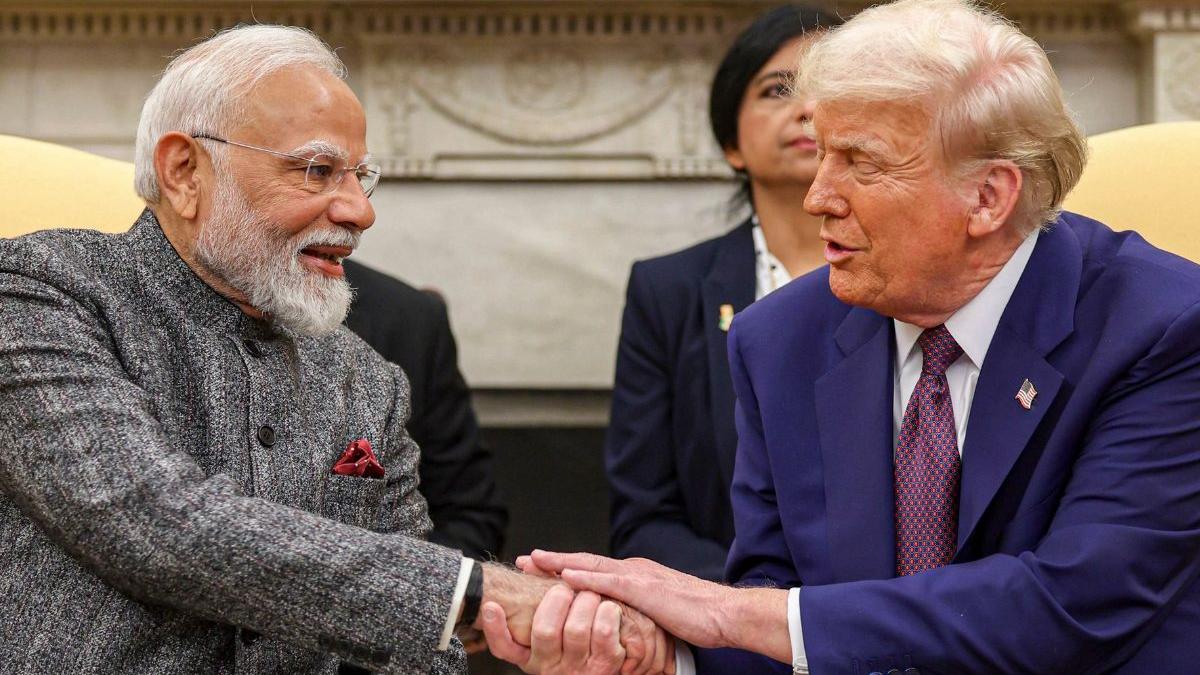
India’s ongoing trade negotiations with the United States have yet to produce a favorable outcome, particularly concerning tariffs on Indian exports. The Trump administration has imposed a 50% tariff on these exports, with a significant portion attributed to India’s imports of Russian crude oil, which the U.S. claims indirectly supports Russia’s military actions in Ukraine. Despite these pressures, India continues to rely heavily on discounted Russian oil, a trend that analysts predict will persist into 2026. U.S. Trade Representative Jamieson Greer has emphasized the need for India to address U.S. concerns regarding its Russian oil purchases to secure any tariff relief.
Challenges in U.S.-India Trade Relations
The trade relationship between India and the United States has faced significant challenges, particularly regarding tariffs on Indian exports. The Trump administration’s 50% tariff, which includes a 25% levy on Russian crude oil imports, has created friction between the two nations. U.S. officials have expressed concerns that India’s continued purchases of Russian oil undermine efforts to pressure Russia over its actions in Ukraine. Greer has pointed out that while India has made some progress in reducing its Russian oil imports, the attractive discounts offered by these supplies complicate a complete shift away from them. The ongoing negotiations have been marked by a lack of resolution, despite regular discussions between U.S. and Indian officials.
India’s Strategic Shift in Oil Sourcing
In light of the geopolitical landscape and economic pressures, India is increasingly adjusting its crude oil sourcing strategy. Recent data indicates a notable decline in Russian oil imports, which fell to approximately 1.1 million barrels per day in January, down from over 2 million barrels per day at their peak in mid-2025. This shift reflects India’s growing reliance on traditional suppliers in the Middle East, as the country seeks to mitigate risks associated with compliance and logistical challenges linked to Russian oil. Analysts suggest that while Russian crude will still play a role in India’s energy mix, the focus is shifting toward more reliable and lower-risk sources. This change is seen as a strategic move to ensure greater certainty in oil supply amid evolving international relations.
Implications of the India-EU Free Trade Agreement
In a significant development, India has finalized a long-awaited free trade agreement with the European Union, a deal that has been nearly two decades in the making. This agreement is perceived as a strategic response to the protectionist trade policies of the Trump administration. U.S. Trade Representative Greer has acknowledged the potential benefits for India, highlighting increased market access to Europe and additional immigration rights. The agreement could bolster India’s economic position, especially given its competitive labor market. As the EU reinforces its commitment to globalization, India stands to gain from enhanced trade relations, which may help offset the impact of U.S. tariffs on its exports.
Future Outlook on Tariffs and Oil Imports
The future of U.S. tariffs on Indian exports remains uncertain, with U.S. Treasury Secretary Scott Bessent suggesting that the administration may consider rolling back the additional 25% tariffs due to a significant decline in India’s Russian oil imports. Bessent noted that the tariffs were initially imposed in response to India’s purchases of Russian crude, which have now decreased markedly. While the tariffs remain in effect for the time being, there is a possibility for their removal if the trend continues. As India navigates these complex trade dynamics, it is expected to maintain a cautious approach to Russian oil imports, balancing economic needs with geopolitical considerations. The evolving landscape will likely shape India’s energy strategy and its broader trade relations in the coming years.
Observer Voice is the one stop site for National, International news, Sports, Editor’s Choice, Art/culture contents, Quotes and much more. We also cover historical contents. Historical contents includes World History, Indian History, and what happened today. The website also covers Entertainment across the India and World.
Follow Us on Twitter, Instagram, Facebook, & LinkedIn

