

India and US Trade Deal on the Horizon? Oil Data Requirements

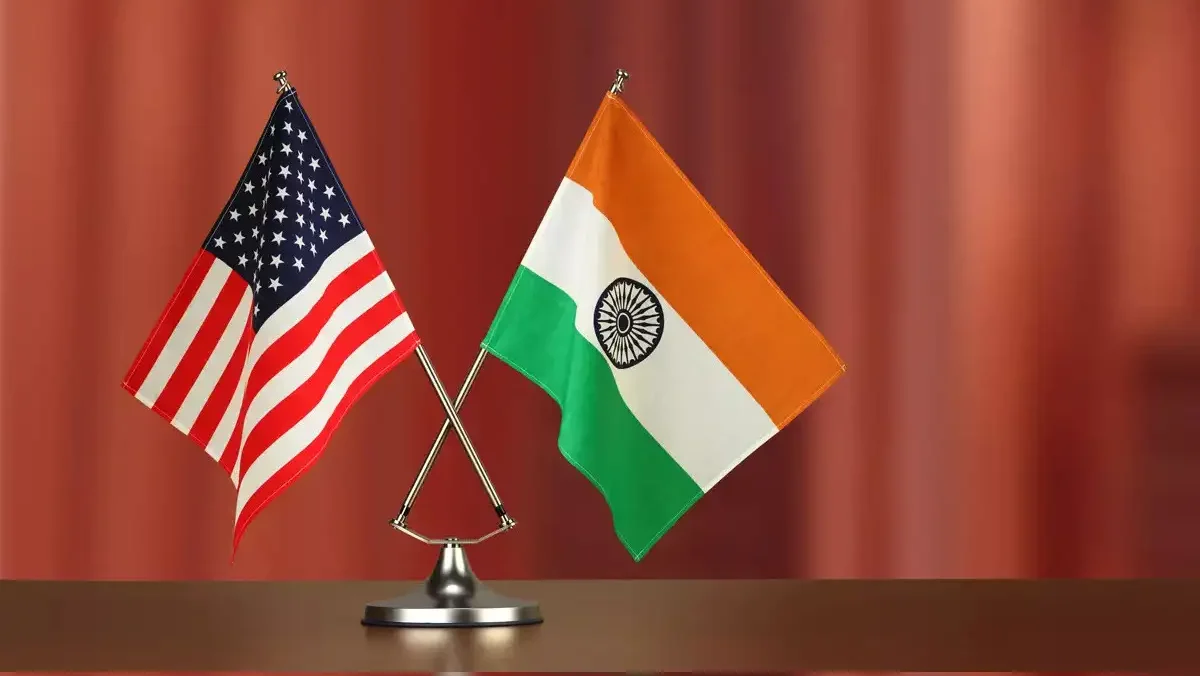
India is actively pursuing a trade agreement with the United States while closely monitoring its crude oil purchases from both Russia and the U.S. This initiative comes amid ongoing negotiations with Washington, as New Delhi anticipates a potential decline in imports of Russian crude oil to below one million barrels per day. The move follows previous tensions regarding trade imbalances and tariffs imposed by the Trump administration, which raised duties on Indian goods due to India’s significant purchases of discounted Russian oil.
India’s Crude Oil Purchases Under Scrutiny
Since the onset of the Ukraine conflict in 2022, India has emerged as the largest buyer of discounted Russian seaborne oil. This increase in imports has faced criticism from Western nations, which argue that the revenue generated from these oil sales is bolstering Russia’s military efforts. In response to these concerns, Indian officials are seeking to provide accurate and timely data regarding crude oil imports to the United States. The Petroleum Planning and Analysis Cell, part of India’s oil ministry, has mandated that refiners submit weekly reports detailing their crude purchases from both Russia and the U.S.
A government official emphasized the importance of having verified figures to share with the U.S., stating, “We want timely and accurate data on Russian and U.S. oil imports so that, when the U.S. asks for information, we can provide verified figures instead of them relying on secondary sources.” This request marks a significant shift, as refiners have typically reported such data on a monthly basis. The urgency for weekly updates reflects the complexities of the ongoing trade negotiations between India and the U.S.
Trade Negotiations and Tariff Challenges
The issue of Russian crude oil has become a central point of contention in the trade discussions between India and the United States. While other major economies have successfully negotiated agreements with Washington to alleviate the high tariffs initially imposed by the Trump administration, India has yet to reach a similar resolution. Talks experienced a setback in late July when India resisted U.S. demands to open its agricultural markets to American products. Despite the imposition of a 50% tariff on Indian goods, dialogue between U.S. President Donald Trump and Indian Prime Minister Narendra Modi has persisted, with negotiations recently resuming.
However, the ongoing purchases of Russian oil by India continue to complicate these discussions. Trump claimed in October that Modi had pledged to cease imports of Russian crude, a statement that New Delhi has publicly contested, asserting that Russian oil is vital for meeting its energy requirements. As negotiations continue, the Indian government has not formally instructed refiners to cut back on Russian oil imports, although industry sources anticipate that average imports may fall below one million barrels per day in the near future.
Impact of Sanctions on Russian Oil Imports
The tightening of sanctions by the United States and the European Union has already begun to affect Russian oil shipments to India. Recent data from analytics firm Kpler indicates that imports have decreased significantly, dropping to approximately 1.2 million barrels per day in December, the lowest level in three years. This figure represents a 40% decline from a peak of around two million barrels per day recorded in June.
As India navigates its energy needs and international relations, the balance between securing affordable oil and maintaining diplomatic ties with the U.S. remains delicate. The government is keenly aware of the implications of its oil purchases on broader trade negotiations and is taking steps to ensure transparency in its dealings. The evolving situation underscores the complexities of global energy markets and the geopolitical factors influencing them.
Observer Voice is the one stop site for National, International news, Sports, Editor’s Choice, Art/culture contents, Quotes and much more. We also cover historical contents. Historical contents includes World History, Indian History, and what happened today. The website also covers Entertainment across the India and World.

