

Transverse Myelitis: The Spinal Cord Inflammation That Can Strike Without Warning

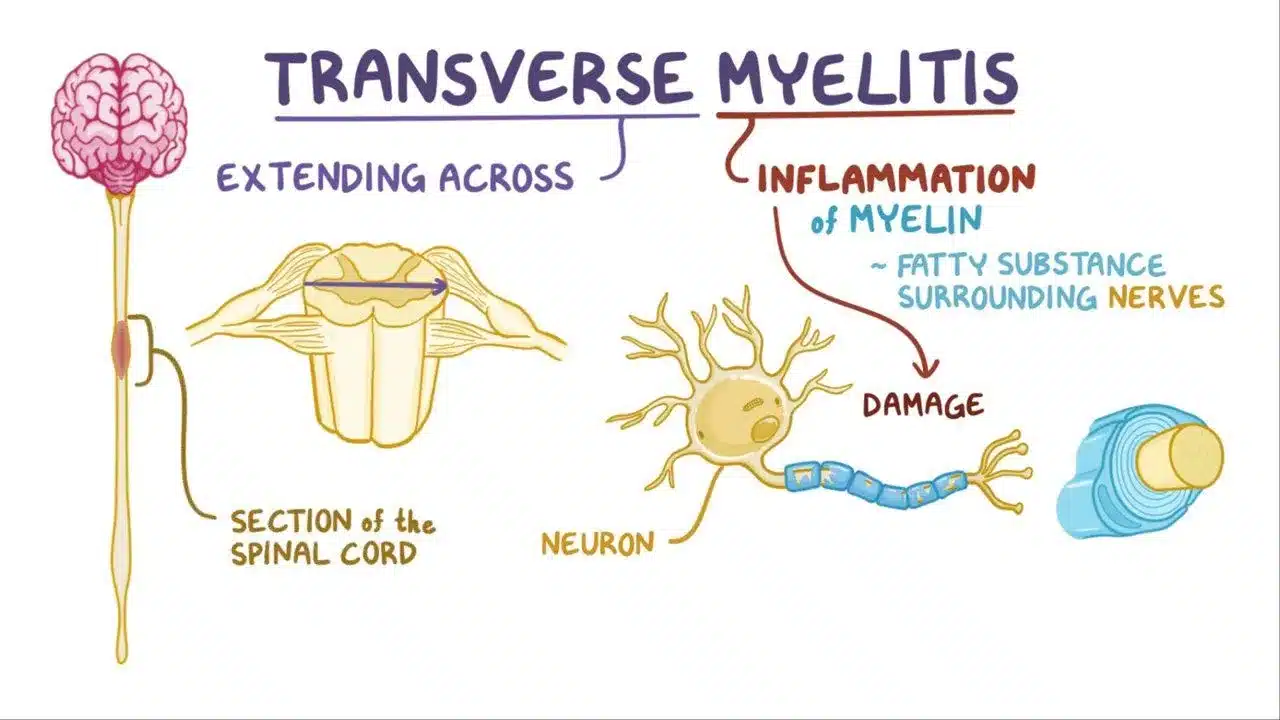
Transverse Myelitis is a rare neurological disorder characterized by inflammation of the spinal cord that develops suddenly, sometimes over hours to days. The inflammation affects the spinal cord across its width, hence the name “transverse,” meaning across. The inflammation damages the myelin, the protective coating around nerve fibers in the spinal cord. This damage disrupts the ability of nerves to transmit signals between the brain and the rest of the body. Transverse Myelitis affects approximately one to five people per million worldwide, making it a rare disorder. The condition can strike suddenly in previously healthy people with no warning. One day a person may feel fine, and the next day they may experience sudden onset of weakness or paralysis. The rapid onset of symptoms distinguishes Transverse Myelitis from slowly progressive spinal cord diseases. Transverse Myelitis can occur as an isolated event or as part of another neurological disorder. When it occurs in isolation, it is called idiopathic Transverse Myelitis. When it occurs as part of another condition like multiple sclerosis or neuromyelitis optica, it is called secondary Transverse Myelitis. The cause of Transverse Myelitis is often unknown, though viral infections and autoimmune mechanisms are believed to be involved. Some cases follow vaccination or viral infection, suggesting an immune-mediated mechanism. The inflammation in Transverse Myelitis causes symptoms ranging from temporary disruption of spinal cord function to permanent paralysis and loss of sensation. The severity depends on the extent and location of the inflammation. Some people recover completely while others are left with permanent disability. Early diagnosis and treatment with corticosteroids and immunotherapy are important for improving outcomes. The sudden onset and severity of Transverse Myelitis makes it a medical emergency. Prompt recognition and treatment are crucial for minimizing permanent neurological damage. Understanding Transverse Myelitis helps with early recognition and appropriate emergency management.
How Does Inflammation Damage the Spinal Cord in Transverse Myelitis?
To understand Transverse Myelitis, we need to learn about the spinal cord and myelin. The spinal cord is the part of the central nervous system that extends from the brain down through the vertebral column. The spinal cord contains nerve fibers that transmit signals between the brain and the rest of the body. These signals control movement, sensation, and many automatic body functions. The nerve fibers in the spinal cord are covered with myelin, which is a protective coating made of a fatty substance. Myelin acts like insulation around electrical wires, allowing nerve signals to be transmitted efficiently and rapidly. The cells that produce myelin are called oligodendrocytes. In Transverse Myelitis, an inflammatory process attacks the spinal cord. The inflammation causes swelling of the spinal cord tissue. The inflammatory process damages myelin, a condition called demyelination. As myelin is damaged and stripped away from nerve fibers, the ability of those nerve fibers to transmit signals is disrupted. Some nerve fibers may be completely destroyed. The extent of myelin damage and nerve fiber destruction determines the severity of neurological dysfunction. The inflammation in Transverse Myelitis typically affects the spinal cord across its width, hence the name transverse. The inflammation may extend over multiple spinal cord segments. The affected spinal cord becomes swollen and may appear widened on MRI imaging. The cause of the inflammatory attack is not completely understood. Viral infections have been proposed as triggers. Viruses may directly infect the spinal cord, or they may trigger an autoimmune response where the immune system mistakenly attacks spinal cord tissue. Autoimmune mechanisms are believed central to many cases of Transverse Myelitis. Antibodies against myelin or other spinal cord antigens have been found in some patients. T cells that attack spinal cord tissue are present in the inflammation. Some cases of Transverse Myelitis are associated with specific autoimmune conditions. Neuromyelitis optica is an autoimmune condition where antibodies against aquaporin-4, a water channel protein in the central nervous system, cause inflammation. Multiple sclerosis is another autoimmune condition that can cause Transverse Myelitis. In many cases of idiopathic Transverse Myelitis, no specific autoimmune antibodies or triggers are identified. The inflammatory process causes immediate disruption of nerve signal transmission. This results in sudden onset of neurological symptoms including weakness, paralysis, and loss of sensation below the level of inflammation. If the inflammation is mild and myelin damage is not extensive, nerve signals may resume as inflammation resolves and remyelination occurs. If nerve fibers are extensively damaged or destroyed, permanent neurological deficits may result. Early treatment with corticosteroids and immunotherapy reduces inflammation and may limit myelin and nerve damage.
What Are the Main Symptoms and Signs of Transverse Myelitis?
Transverse Myelitis causes sudden onset of neurological symptoms due to spinal cord inflammation and disruption of nerve signals. The symptoms depend on the location and extent of spinal cord inflammation. Weakness or paralysis is the primary symptom. The weakness or paralysis typically affects both legs, though it can affect the trunk, arms, or legs depending on the level of spinal cord involvement. The weakness may develop suddenly over hours or more gradually over a few days. Mild cases cause weakness and difficulty with movement. Severe cases cause complete paralysis of affected body parts. The weakness is usually bilateral, affecting both sides of the body symmetrically. Sensory loss is very common. Loss of sensation develops in the legs and lower body if the lower spinal cord is affected. Loss of sensation may also include numbness and tingling or paresthesias. A distinctive sensory level may be present where sensation is normal above a certain level and absent below it. This sensory level indicates the level of spinal cord involvement. Pain is common. Back pain at the level of inflammation occurs in many cases. Limb pain may occur. Pain may be severe and difficult to manage initially. Pain often improves with treatment. Bowel and bladder dysfunction develops due to disruption of autonomic nerves controlling these functions. Urinary retention, difficulty urinating, or incontinence may occur. Constipation or fecal incontinence may develop. Bowel and bladder dysfunction can be profound and requires management. Sexual dysfunction may develop from autonomic nerve involvement. Respiratory weakness may develop if the inflammation affects the upper spinal cord where breathing muscle control originates. Difficulty breathing may require mechanical ventilation in severe cases. Temperature sensation changes may occur from involvement of spinothalamic tracts that carry temperature sensation. Muscle spasticity develops as the acute inflammation resolves. Increased muscle tone and involuntary muscle contractions become problematic over time. Spasticity can be severely disabling. Fatigue is common and profound. The fatigue appears to be neurological rather than from lack of sleep. Fatigue limits activity and quality of life. The symptom onset is the most distinctive feature of Transverse Myelitis. Symptoms develop acutely over hours to days, not gradually over weeks or months like slowly progressive neurological diseases. This sudden onset is a key feature that helps distinguish Transverse Myelitis from other spinal cord diseases. The severity of initial symptoms varies widely. Some people experience only mild weakness and sensory changes. Others experience complete paralysis and loss of all sensation below the level of inflammation. The extent of initial symptoms influences prognosis and recovery.
How is Transverse Myelitis Detected and Diagnosed?
Transverse Myelitis is a medical emergency requiring immediate diagnosis and treatment. The sudden onset of neurological symptoms should prompt urgent evaluation. Clinical history of acute onset of weakness, sensory loss, pain, and bowel or bladder dysfunction should raise suspicion for Transverse Myelitis. The rapid progression of symptoms over hours to a few days is characteristic. Past medical history of other autoimmune or neurological diseases increases likelihood of Transverse Myelitis. Physical examination reveals neurological deficits consistent with spinal cord dysfunction. Weakness or paralysis of lower extremities or trunk is demonstrated. Sensory testing reveals sensory loss with a specific sensory level indicating spinal cord involvement. Reflexes may be hyperactive or absent depending on the stage. Babinski sign testing may show pathological reflexes indicating spinal cord pathology. MRI of the spine is the primary diagnostic test. MRI shows inflammation and swelling of the spinal cord. The affected spinal cord appears widened. Signal intensity changes indicate inflammatory changes in spinal cord tissue. The extent of inflammation can be visualized. MRI helps determine the level and extent of spinal cord involvement. MRI also helps identify other potential causes of spinal cord inflammation including spinal cord infarction, compression, or other pathology. Gadolinium contrast may show enhancement indicating blood-brain barrier disruption from inflammation. Lumbar puncture, where cerebrospinal fluid is sampled, is often done. CSF analysis helps confirm inflammation. CSF typically shows elevated protein and pleocytosis, an increase in white blood cells. The specific type of white cells may suggest viral versus bacterial infection. Oligoclonal bands may be present. CSF findings help distinguish Transverse Myelitis from other causes. Blood tests are done to help identify causes. Testing for autoimmune antibodies including aquaporin-4 antibodies and MOG antibodies is done. These antibodies are associated with specific forms of Transverse Myelitis. Testing for infections including viral serologies helps identify infectious triggers. Testing for other autoimmune diseases is done. Evoked potentials measuring electrical activity may be done to assess spinal cord function. Sensory evoked potentials are prolonged or absent in Transverse Myelitis. These tests can objectively demonstrate spinal cord dysfunction. Imaging of the brain with MRI is often done to look for brain involvement. In some cases, brain lesions indicate multiple sclerosis or neuromyelitis optica rather than idiopathic Transverse Myelitis. Early diagnosis is crucial so that treatment can be started immediately. Prompt treatment within the first weeks of symptom onset offers better chances of recovery. Diagnostic delays can lead to irreversible spinal cord damage.
What Causes Transverse Myelitis?
The underlying cause of Transverse Myelitis varies between cases. In many cases, the cause remains unknown. Viral infections are believed to trigger Transverse Myelitis in some cases. Viruses that have been implicated include enterovirus, measles, mumps, varicella zoster, Epstein-Barr virus, cytomegalovirus, and others. The virus may directly infect the spinal cord, or it may trigger an autoimmune response. Vaccination against certain viruses has been temporal to Transverse Myelitis onset in some cases, though causation is not established. Bacterial infections are less commonly implicated. Syphilis, Lyme disease, tuberculosis, and other bacterial infections can affect the spinal cord but cause different pathology than Transverse Myelitis. Autoimmune mechanisms are believed central to most cases of Transverse Myelitis. Antibodies against central nervous system antigens including myelin oligodendrocyte glycoprotein, or MOG, have been identified in some cases. Aquaporin-4 antibodies are found in neuromyelitis optica-associated Transverse Myelitis. Myelin basic protein antibodies may be present. T cell-mediated autoimmunity is also implicated. Multiple sclerosis is a demyelinating disease where Transverse Myelitis occurs in about five percent of MS patients. If a patient develops Transverse Myelitis and has brain MRI showing demyelinating lesions, MS diagnosis may be made. Neuromyelitis optica spectrum disorder is an autoimmune condition characterized by optic neuritis and myelitis. Aquaporin-4 antibodies are present in most cases. NMO typically causes more severe myelitis than idiopathic Transverse Myelitis. MOG-associated disease is increasingly recognized as a cause of Transverse Myelitis and optic neuritis. Anti-MOG antibodies cause inflammation of brain and spinal cord. Systemic autoimmune diseases including systemic lupus erythematosus, Sjögren syndrome, and others can cause Transverse Myelitis. Vasculitis affecting spinal cord blood vessels can cause inflammation. Paraneoplastic syndromes where cancer-related antibodies attack the nervous system can cause Transverse Myelitis. Malignancy screening is sometimes done if paraneoplastic syndrome is suspected. Idiopathic Transverse Myelitis refers to cases where no specific cause is identified despite investigation. This accounts for a significant portion of Transverse Myelitis cases. The pathophysiology is still presumed autoimmune but the specific antigen is not identified. In many cases, no specific cause is ever found. Recovery in idiopathic cases is variable, with some people recovering completely and others having permanent deficits.
What Health Complications Do People with Transverse Myelitis Face?
People with Transverse Myelitis face serious neurological complications that profoundly affect function and quality of life. The complications depend on the severity and extent of spinal cord damage. Paralysis is the most severe consequence. Complete paraplegia, or paralysis of both legs, leaves people unable to walk. Tetraplegia, or paralysis of all four limbs, occurs if the upper cervical spinal cord is affected. Some people regain partial function through recovery while others remain permanently paralyzed. Permanent paralysis severely limits independence and requires extensive adaptation and assistance. Sensory loss affects safety and function. Loss of protective sensation in legs increases injury risk. People cannot feel pain from burns or injuries in affected areas. Autonomic sensory loss affecting temperature sensation increases risk of thermal injuries. Loss of proprioception affects balance and coordination. Bowel and bladder dysfunction is profoundly disabling. Neurogenic bladder with inability to void normally requires catheterization. Some people need urinary catheters indefinitely. Neurogenic bowel with constipation or incontinence requires bowel management programs. Bowel and bladder dysfunction affects quality of life and increases infection risk. Spasticity develops as acute phase resolves. Increased muscle tone and involuntary muscle contractions become severe in some people. Spasticity can be extremely disabling, interfering with function and causing pain. Severe spasticity may require medication management and sometimes surgical intervention. Pain can be severe and chronic. Central pain syndrome, where the damaged spinal cord generates abnormal pain signals, develops in some patients. The pain can be extremely difficult to manage despite multiple medications. Pain interferes with sleep, function, and emotional wellbeing. Respiratory compromise occurs if cervical spinal cord is affected. Diaphragm weakness impairs breathing. Mechanical ventilation may be necessary if respiratory muscles are severely affected. Respiratory complications can be life-threatening. Sexual dysfunction results from autonomic nerve damage and spinal cord injury effects. Erectile dysfunction occurs in men. Loss of sensation and reduced physical function affect sexual response in both sexes. Sexual dysfunction affects relationships and quality of life. Thermoregulation problems develop from disruption of autonomic nervous system control. Patients may have difficulty regulating body temperature. Sweating abnormalities occur. Heat and cold intolerance develop. Cardiovascular dysfunction may develop including blood pressure instability. Autonomic dysreflexia can occur, where noxious stimuli below the level of injury cause dangerous surges in blood pressure. Autonomic dysreflexia is a medical emergency. Pressure ulcers develop from prolonged immobility and sensory loss. Areas of skin under pressure develop sores that fail to heal. Pressure ulcers can become severely infected. Infection risk increases from indwelling catheters and skin breakdown. Recurrent urinary tract infections are common. Sepsis from infection can occur. Depression and post-traumatic stress develop from sudden disability. The psychological impact of sudden devastating neurological loss is profound. Mental health support is essential. Reduced life expectancy may result from complications including infections, autonomic dysreflexia, or respiratory failure. However, many people with Transverse Myelitis, even those with significant permanent deficits, live many years. With appropriate management of complications, quality of life can be maintained. Early treatment limits the extent of permanent damage.
What Treatments Help People with Transverse Myelitis?
Treatment for Transverse Myelitis focuses on reducing inflammation, preventing permanent nerve damage, and managing acute and chronic symptoms. There is no cure for nerve damage that has already occurred, but early treatment can limit damage and promote recovery. Corticosteroids are the primary acute treatment. High-dose intravenous methylprednisolone is given immediately. Typically, one gram IV daily for three to five days is administered. IV methylprednisolone reduces inflammation rapidly. Within hours to days, inflammation begins to resolve. Early corticosteroid treatment within the first weeks of symptom onset is crucial for optimal outcomes. Delayed treatment leads to more permanent damage. Plasma exchange is used in severe cases or those not responding to corticosteroids. Plasma exchange removes antibodies from the blood. In severe Transverse Myelitis with rapid progression, plasma exchange may be given concurrently with corticosteroids. Plasma exchange can dramatically improve outcomes in severe cases. Intravenous immunoglobulin, or IVIG, is an alternative immune modulation therapy. IVIG may be used if plasma exchange is not available or not tolerated. IVIG provides anti-inflammatory benefits. Immunosuppressive therapy may be used for long-term management. Azathioprine, mycophenolate mofetil, or other agents suppress immune function. These are used to prevent recurrence in people at high risk. If associated autoimmune conditions like neuromyelitis optica or multiple sclerosis are identified, long-term immunosuppression is more clearly indicated. Symptomatic treatment is important for managing specific symptoms. Spasticity management includes physical therapy, stretching, and medications including baclofen and tizanidine. Severe spasticity may require intrathecal baclofen pump or botulinum toxin injections. Pain management includes analgesic medications and sometimes interventional procedures. Central pain syndrome is difficult to treat. Antidepressants and anticonvulsants may help central pain. Bowel and bladder management is essential. Catheterization may be necessary. Bowel programs with scheduled evacuation help manage constipation. Physical therapy is crucial for maintaining function and preventing complications. Range-of-motion exercises prevent contractures. Stretching prevents spasticity development. Weight-bearing activities if possible help maintain bone density. Rehabilitation helps patients maximize remaining function. Respiratory support is necessary if breathing is compromised. Mechanical ventilation may be needed for cervical myelitis affecting breathing muscles. Tracheostomy may be necessary for long-term ventilator dependence. Psychological support helps address mental health issues. Counseling and sometimes antidepressants help manage depression. Support groups connect people with others facing similar challenges. Occupational therapy helps with activities of daily living and adaptive equipment needs. Speech therapy may be needed if swallowing is affected. Recovery potential varies widely. Some people recover substantially while others have permanent deficits. Recovery often continues for months to years. Early aggressive treatment optimizes recovery potential.
Living with Transverse Myelitis
Living with Transverse Myelitis is profoundly challenging due to the sudden onset of severe neurological disability. The transition from health to disability is typically dramatic and overwhelming. For people with Transverse Myelitis, adjustment to permanent or long-term disability is psychologically and physically demanding. For the newly diagnosed, immediate hospitalization and acute treatment consume the first weeks. Learning about the diagnosis while acutely ill and disabled is overwhelming. Families are devastated learning of permanent paralysis or severe disability in a previously healthy loved one. Immediately after discharge from acute hospitalization, intensive rehabilitation begins. Inpatient rehabilitation programs help patients adapt to disability and maximize remaining function. Learning to use wheelchairs, catheters, and adaptive equipment requires intensive training. Physical and occupational therapy help patients relearn basic functions. Psychological adjustment during early recovery is complex. Grief about loss of function and abilities is appropriate and necessary. Depression and post-traumatic stress are common. Mental health support is crucial during acute adjustment phase. Spinal cord injury support groups help patients and families cope with the transition. Mobility limitations fundamentally change daily life. Wheelchair dependence affects home accessibility and community participation. Vehicle modifications allow driving for those with sufficient upper extremity function. Many environments have architectural barriers limiting accessibility. Bowel and bladder management becomes a daily responsibility. Catheterization routine must be maintained. Bowel programs require time and planning. These are private issues that become necessary public management. Sexual function changes require emotional adjustment and adaptation. Sexual relationships may need modification due to physical limitations. Counseling helps couples adapt. Fertility may be affected but parenthood is still possible. Work and career implications are profound. Many cannot return to previous work due to disability. Retraining for different work may be possible. Disability benefits may be necessary. Financial stress from medical costs and lost income affects families. Pain management is a daily focus for many. Central pain syndrome pain is relentless and difficult to treat. Multiple medications with variable effectiveness are often tried. Pain management strategies including meditation, physical therapy, and sometimes interventional procedures help. Sleep disturbance from pain and bowel urgency affects overall health. Spasticity management requires ongoing attention. Stretching and physical therapy prevent contractures. Medications help but may have side effects. Severe spasticity may limit function and cause pain. Pressure ulcer prevention requires vigilance. Regular position changes and skin monitoring are necessary. Air mattresses and specialized cushions help. Even with meticulous care, pressure ulcers can develop. Infection prevention is important. Urinary tract infections are common. Preventing infections improves quality of life. Prophylactic antibiotics may be used. Cardiovascular fitness maintenance is important. Wheelchair sports and adaptive exercise help maintain physical health and emotional wellbeing. Depression and mental health challenges require ongoing attention. Counseling, support groups, and sometimes antidepressants help. Suicide risk increases with spinal cord injury and is taken seriously. Community participation within limitations provides meaning and engagement. Volunteering, hobbies, social activities, and work adapted to abilities help. Many people with Transverse Myelitis adapt to disability and rebuild meaningful lives. Recovery of some function over years provides hope. With intensive rehabilitation, appropriate assistive equipment, psychological support, pain management, prevention of complications, family support, and community engagement, people with Transverse Myelitis can achieve quality of life and meaningful engagement despite severe physical limitations.
Frequently Asked Questions About Transverse Myelitis
FAQ 1: Is Transverse Myelitis hereditary? Transverse Myelitis is not hereditary. It is not passed down through families. The condition develops due to inflammation of the spinal cord triggered by infections or autoimmune mechanisms. However, genetic predisposition to autoimmune disease runs in families. People with family history of autoimmune diseases have higher risk of developing autoimmune conditions including Transverse Myelitis. Specific autoimmune syndromes that cause Transverse Myelitis like neuromyelitis optica or multiple sclerosis may have hereditary components. However, Transverse Myelitis itself is acquired and does not follow inheritance patterns. Family members do not have increased risk unless they develop similar autoimmune triggers. Genetic counseling is not necessary.
FAQ 2: Can Transverse Myelitis be cured? Transverse Myelitis cannot be completely cured once permanent spinal cord damage has occurred. Damaged nerve tissue and destroyed myelin cannot regenerate. However, early treatment can prevent further damage and allow maximum recovery of function. Some people recover substantially while others have permanent deficits. Recovery potential is greatest in the first weeks after symptom onset. Early aggressive treatment with corticosteroids and immunotherapy offers the best chance of recovery. Complete recovery is possible in mild cases. Partial recovery is common. Some people have permanent paralysis or severe disability. Currently, there is no treatment that reverses established spinal cord damage. Research into spinal cord regeneration is ongoing. Future therapies may offer improved recovery potential. Current treatment focuses on stopping inflammation and promoting recovery of remaining function.
FAQ 3: Can Transverse Myelitis recur? Transverse Myelitis can recur in some cases. Recurrence is particularly common in people with underlying autoimmune conditions like neuromyelitis optica, multiple sclerosis, or MOG-associated disease. In idiopathic Transverse Myelitis with no underlying systemic disease, recurrence is less common. Long-term immunosuppressive therapy is used in people at high risk of recurrence. Some people experience a single episode of Transverse Myelitis with no recurrence. Others have recurrent episodes. The underlying cause influences recurrence risk. Careful follow-up with neurologists experienced in Transverse Myelitis helps monitor for recurrence and manage long-term treatment.
FAQ 4: How quickly do people recover from Transverse Myelitis? Recovery from Transverse Myelitis occurs over a variable timeline. Most recovery happens in the first three to six months. Some recovery continues for one to two years or longer. The timeline depends on the severity of initial inflammation and spinal cord damage. Mild cases may recover substantially within weeks to months. Severe cases may show slow gradual improvement over years. Some improvement may occur even years after the acute episode. Early aggressive treatment initiates recovery process faster than delayed treatment. Complete recovery is possible in mild cases. Partial recovery is common. Some people plateau at a level of permanent disability. Rehabilitation and adaptive strategies help maximize remaining function.
FAQ 5: Are there new treatments being developed for Transverse Myelitis? Yes, there is ongoing research into improved treatments for Transverse Myelitis. Monoclonal antibodies targeting specific immune cells are being studied. These may offer more targeted immune suppression than current therapies. Neuroprotective agents to preserve nerve function during inflammation are in development. Remyelination-promoting therapies to help myelin regenerate are being researched. Spinal cord regeneration approaches including stem cell therapy are being explored. Better understanding of the pathophysiology is leading to targeted therapies. Clinical trials of new approaches continue. As research progresses, outcomes for people with Transverse Myelitis will likely improve. Current treatments remain the standard and should be used immediately upon diagnosis.
References and Further Reading
For more information about Transverse Myelitis, you can visit several trusted and authoritative sources that provide detailed information for patients and families dealing with this rare spinal cord disorder. The World Health Organization at WHO.int provides comprehensive information about demyelinating diseases and spinal cord disorders including Transverse Myelitis. The Transverse Myelitis Association at MyeIitis.org offers excellent patient education, family resources, support communities, information about treatments, and updates about research developments in Transverse Myelitis care. The National Multiple Sclerosis Society at NationalMSSociety.org provides resources for demyelinating diseases including Transverse Myelitis and related conditions. MedlinePlus, a service of the National Library of Medicine at MedlinePlus.gov, has detailed medical information about Transverse Myelitis written in language that patients and families can easily understand without specialized medical knowledge. The National Institutes of Health at NIH.gov provides scientific information about Transverse Myelitis research, ongoing clinical trials, and the latest discoveries about spinal cord inflammation and demyelination. The five main reference links are: 1) WHO.int – Demyelinating Diseases, 2) Transverse Myelitis Association, 3) National Multiple Sclerosis Society, 4) MedlinePlus – Transverse Myelitis, and 5) National Institutes of Health.
Disclaimer
This article adapts publicly available information from WHO’s Transverse Myelitis and demyelinating disease information pages. This content is for informational and educational purposes only and does not constitute medical advice. ObserverVoice.com is a news and information platform — not a healthcare provider. If you or someone you know has been diagnosed with Transverse Myelitis or shows signs of this condition including acute onset weakness or paralysis, sensory loss, back pain, bowel or bladder dysfunction, or other neurological symptoms, please consult immediately with qualified healthcare professionals, neurologists, and spinal cord specialists for proper emergency diagnostic evaluation with MRI of the spinal cord, lumbar puncture, and appropriate treatment with high-dose corticosteroids or plasma exchange. Early treatment is crucial for optimal outcomes. For more information, visit WHO.int and ObserverVoice.com.
Observer Voice is the one stop site for National, International news, Sports, Editor’s Choice, Art/culture contents, Quotes and much more. We also cover historical contents. Historical contents includes World History, Indian History, and what happened today. The website also covers Entertainment across the India and World.

