

Tips for Taking Visual Field Test

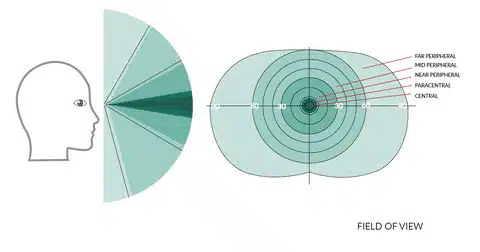
A visual field test is one of the most important diagnostic tools in ophthalmology and optometry. It measures your peripheral vision and helps doctors detect conditions like glaucoma, retinal diseases, neurological disorders, and other issues that can silently steal your sight. While the test itself is straightforward in concept, many patients find it surprisingly challenging the first time they sit down in front of the machine. The good news is that with the right preparation and mindset, you can produce accurate, reliable results that give your eye care provider the information they need to protect your vision.
Whether this is your first visual field test or you have taken several before, the following tips will help you feel more confident and perform your best during the examination.
Understand What the Test Involves
Before you walk into the clinic, it helps to know what you are getting into. During a standard automated visual field test, you will sit in front of a bowl-shaped instrument and stare at a central fixation point. Small lights of varying brightness will flash in different locations across the bowl, and your job is to press a button every time you notice one of those lights. The test is designed to map out where your vision is strong and where it may be weak or missing entirely.
The entire process typically takes anywhere from five to ten minutes per eye, though some versions of the test may be shorter or longer depending on the protocol your doctor has chosen. Knowing this ahead of time can help you mentally prepare for the duration and avoid feeling anxious or rushed while you are being tested.
Get a Good Night of Sleep
Fatigue is one of the biggest enemies of an accurate visual field test. When you are tired, your reaction times slow down, your concentration drifts, and you are far more likely to miss lights that you would normally catch without any trouble. The night before your appointment, aim for a full seven to eight hours of quality sleep. Avoid staying up late watching screens or consuming caffeine too close to bedtime, as both of these habits can interfere with restful sleep.
If your appointment is scheduled for early in the morning, plan your routine so that you arrive feeling awake and alert rather than groggy and half-asleep. A well-rested brain is a responsive brain, and responsiveness is exactly what this test demands.
Wear Comfortable Clothing
This might seem like an unusual tip for an eye test, but comfort matters more than you might think. You will be sitting in one position for several minutes at a time, and anything that makes you physically uncomfortable can become a distraction. Avoid tight collars, restrictive clothing, or anything that might make you fidget during the test. The more relaxed your body is, the easier it will be to maintain the kind of calm, steady focus that produces the best results.
Bring Your Glasses or Contact Lenses
Your doctor may ask you to wear your corrective lenses during the test, or they may place a special trial lens in front of your eye. Either way, make sure you bring your current prescription glasses or wear your contact lenses to the appointment. If your prescription is outdated, mention this to the technician before the test begins. An incorrect lens correction can blur the dimmer stimulus lights and lead to results that look worse than your actual visual field.
Position Yourself Properly
Once you are seated at the machine, the technician will help you get into the correct position. Your chin should rest comfortably on the chin rest, and your forehead should press gently against the forehead bar. This positioning keeps your eye at the right distance and angle from the test bowl. Resist the temptation to pull back or shift around once the test starts. Even small movements can throw off the alignment and compromise the accuracy of your results.
If you feel uncomfortable at any point during the test, let the technician know. They can pause the test and help you reposition without any penalty to your results.
Keep Your Eye on the Fixation Target
This is arguably the single most important tip for taking a visual field test. The fixation target is the small light or marker at the center of the bowl, and you must keep your gaze locked on it throughout the entire test. The natural impulse when you see a flash of light in your peripheral vision is to look toward it, but doing so defeats the purpose of the examination. The test is specifically designed to measure what you can see without moving your eyes.
Modern visual field machines have built-in fixation monitors that track whether your eye is staying in place. If you move your gaze too often, the machine will flag your results as unreliable, and you may need to repeat the test. Train yourself to resist the urge to chase the lights. Trust your peripheral vision to do its job while your central gaze remains steady and still.
Blink Naturally and Regularly
Some patients become so focused on not missing a light that they forget to blink. This leads to dry, uncomfortable eyes, blurred vision, and ultimately less accurate results. Blinking is perfectly fine during the test and will not cause you to miss stimuli in any meaningful way. The lights appear for a brief moment, and a normal blink cycle will not interfere with your ability to detect them.
If your eyes tend to be dry, consider using lubricating eye drops before the test. Ask the technician if this is appropriate, and they will advise you on the best timing so that the drops do not affect the test.
Do Not Try to Cheat or Guess
It can be tempting to press the button when you think a light should have appeared, even if you did not actually see it. Resist this temptation. Random button presses show up clearly in the test data as false positive errors, and they make your results harder for the doctor to interpret. The machine intentionally includes catch trials where no light is presented, specifically to detect this kind of guessing behavior.
Similarly, do not worry if there are long pauses where you do not see anything. The test presents lights of varying intensities, and some of them are designed to be near or below your threshold of perception. It is completely normal to go several seconds without pressing the button. Trust the process and only respond when you genuinely see a flash.
Take Advantage of Pauses
Most visual field tests allow for brief pauses between the testing of each eye, and many machines will also pause automatically if you need a break during a single eye’s test. Use these moments to close your eyes, relax your facial muscles, and take a few deep breaths. Mental fatigue accumulates quickly during this kind of sustained attention task, and even a short rest can help you reset your focus for the next portion of the test.
If you feel overwhelmed or extremely fatigued during the test, tell the technician. It is far better to pause and resume with fresh concentration than to push through and generate unreliable data.
Ask Questions Before the Test Begins
If anything about the process is unclear, ask your technician to explain it before the test starts. Understanding the purpose of the test and what is expected of you can significantly reduce anxiety, which in turn leads to better performance. Technicians perform these tests dozens of times each week and are accustomed to answering patient questions. There is no such thing as a silly question when it comes to your eye health.
Track Your Visual Field Between Appointments
Clinical visual field tests are typically performed once or twice a year, but a lot can change between those visits. One practical way to stay on top of your eye health is to monitor your visual field at home using an online tool like Visual Field Test. The site offers an at-home visual field test that you can take on your own computer. While it does not replace the precision of a clinical examination, it serves a valuable purpose by allowing you to track changes in your visual field over time. The tool visualizes your results from multiple sessions in a single graphic, making it easy to compare outcomes and spot trends. If you notice your results are gradually worsening, that information can prompt you to schedule a real clinical test sooner rather than waiting for your next routine appointment. For anyone managing a condition like glaucoma, this kind of ongoing self-monitoring can be an important layer of vigilance between professional evaluations.
Manage Test Anxiety
It is perfectly normal to feel nervous about a visual field test, especially if you know your doctor is looking for signs of a serious condition. However, anxiety can cause you to tense up, lose focus, and second-guess your responses. Before the test, remind yourself that there are no right or wrong answers. The test is simply a measurement tool, and your job is to respond honestly to what you see.
Some patients find it helpful to practice deep breathing exercises in the waiting room before their appointment. Others find that simply understanding the mechanics of the test is enough to calm their nerves. Whatever works for you, the goal is to walk into the testing room feeling as calm and composed as possible.
Follow Up With Your Doctor
After the test is complete, make sure you schedule or attend a follow-up appointment to discuss your results. A visual field test is only valuable if the results are reviewed and acted upon by a qualified professional. Your doctor will compare your results with any previous tests to look for patterns or changes over time, and they will use this information to guide your treatment plan.
If your results are unreliable due to fixation losses, false positives, or false negatives, your doctor may ask you to repeat the test. This is not a failure on your part. It simply means the data was not clear enough to draw confident conclusions, and a second attempt will almost always yield better results now that you know what to expect.
Final Thoughts
Taking a visual field test does not require any special skills, but it does require patience, focus, and a basic understanding of what the test is trying to accomplish. By arriving well-rested, staying fixated on the central target, blinking naturally, and resisting the urge to guess, you give yourself the best possible chance of producing accurate results. These results are a vital part of preserving your long-term eye health, so the small effort you put into preparing for the test is well worth it.
Observer Voice is the one stop site for National, International news, Sports, Editor’s Choice, Art/culture contents, Quotes and much more. We also cover historical contents. Historical contents includes World History, Indian History, and what happened today. The website also covers Entertainment across the India and World.

