

Strategies for Safeguarding Your Wealth Amidst a Declining Rupee

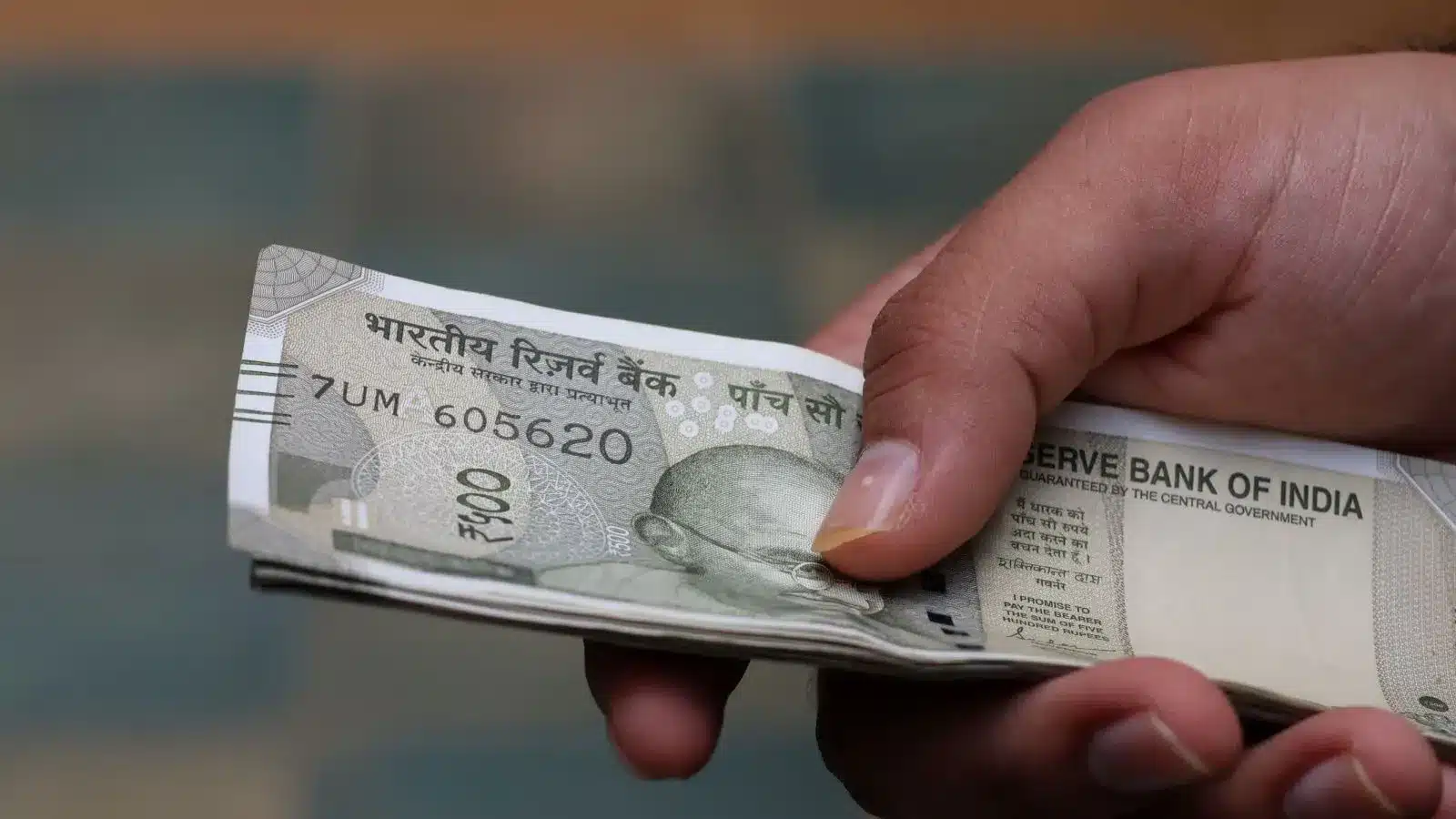
The Indian rupee is experiencing a significant decline, impacting investment portfolios across the country. The currency’s fall is largely attributed to the ongoing US-Iran conflict, which is straining an economy heavily reliant on fuel imports. As a result, the Reserve Bank of India has been compelled to intervene frequently to stabilize the situation. Investors are now grappling with the question of how to protect their portfolios amid these turbulent conditions.
Impact on Investment Portfolios
According to Nirav R Karkera, Head of Research at W by Groww, the effects of a falling rupee on domestic equities are not uniform. Export-oriented sectors, such as IT services and pharmaceuticals, may benefit from the weaker currency, as they earn revenues in dollars. Conversely, companies that rely heavily on imports or carry foreign currency debt may face increased pressure due to rising costs. Additionally, a weaker rupee can deter foreign portfolio investors (FPIs), as their dollar returns diminish, potentially leading to increased market volatility.
In the fixed income space, Karkera notes that inflation and interest rates are key factors. A weaker rupee can drive up imported inflation, particularly through oil and other commodities, which may limit the Reserve Bank’s ability to cut interest rates. This scenario could make long-duration debt instruments more vulnerable to market fluctuations.
Strategies for Investors
Experts recommend several strategies for investors navigating this challenging environment. One key piece of advice is to maintain systematic investment plans (SIPs) and avoid making hasty decisions based on currency fluctuations. Panic-driven reactions can lead to poor investment choices, and a long-term perspective is essential.
Gold is also highlighted as a valuable asset during times of currency weakness. Historically, gold has served as a hedge against inflation and geopolitical uncertainty. Experts suggest investing in digital gold options, such as ETFs or mutual funds, rather than physical gold. While gold can provide a buffer, it should not be viewed as a primary growth asset, as its volatility has increased due to speculative activity.
Diversifying Investments
Investors are encouraged to consider allocating a portion of their portfolios to global assets, such as US stocks. A falling rupee can enhance the value of overseas investments when converted back into rupees. Financial planner Rohit Shah suggests that a 15-25% allocation to international assets is reasonable for long-term investors, depending on individual goals and risk profiles.
Karkera emphasizes that international exposure should primarily serve as diversification rather than a currency hedge. While overseas equities can benefit from rupee depreciation, investors must remain cautious, as currency gains can be offset by poor asset performance.
Sector-Specific Considerations
Certain sectors stand to gain from a weaker rupee, particularly those focused on exports. Companies in IT services, pharmaceuticals, and specialty chemicals may see increased competitiveness due to their dollar-denominated revenues. Conversely, sectors reliant on imports may struggle with rising input costs, which can negatively impact profitability.
In the debt market, while rupee depreciation does not directly affect fixed income instruments, it can contribute to higher inflation and interest rates. This dynamic may introduce volatility in long-duration debt funds. Experts advise maintaining adequate emergency savings to manage potential inflationary pressures from rising import costs.
Understanding Currency Movements
Analysts caution against viewing a falling rupee as a standalone investment signal. Currency fluctuations are often influenced by temporary factors, including geopolitical events and global market sentiment. Historical data shows that significant currency movements during conflicts tend to be limited and temporary.
Mukesh Kumawat of Anand Rathi Wealth Limited points out that the rupee’s long-term trajectory is more closely tied to domestic economic fundamentals than to external events. Investors are advised to build a diversified portfolio and avoid making impulsive decisions based on short-term currency trends.
Observer Voice is the one stop site for National, International news, Sports, Editor’s Choice, Art/culture contents, Quotes and much more. We also cover historical contents. Historical contents includes World History, Indian History, and what happened today. The website also covers Entertainment across the India and World.

