

Strait of Hormuz Control: Open or Closed? Key FAQs on Toll Systems, New Conditions, and the Impact of Ceasefire on Global Shipping

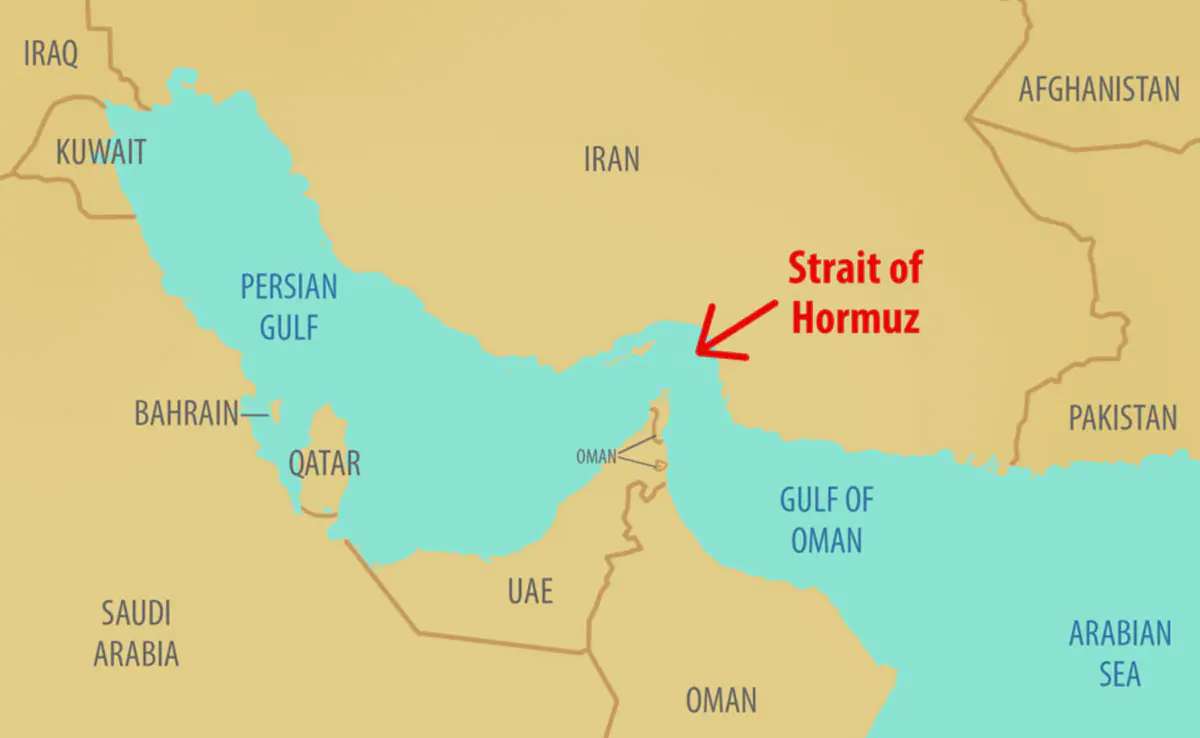
A fragile ceasefire between the United States and Iran has sparked cautious optimism regarding the Strait of Hormuz, a vital maritime corridor for global energy trade. While some vessel movement has resumed, shipping remains heavily restricted and conditioned by ongoing security concerns. The situation continues to pose challenges for shipping companies and governments, as the strait’s critical role in oil and LNG shipments means that even minor disruptions can have significant repercussions on global energy markets.
Current Operations in the Strait of Hormuz
The Strait of Hormuz is currently functioning under a fragile ceasefire framework. This arrangement has led to limited and conditional vessel movement, which is heavily reliant on security coordination rather than the free passage typically expected in international waters. Reports indicate that while some vessels are navigating the strait, the overall traffic has sharply declined compared to pre-conflict levels. Iran has announced that it will permit only 15 vessels per day to pass through Hormuz until security conditions improve, particularly concerning ongoing tensions in Lebanon. This situation has left many shipping companies and maritime agencies expressing concerns about the viability of operations in the region.
Impact on Global Shipping and Energy Markets
The Strait of Hormuz is a crucial chokepoint for global energy supplies, handling a significant portion of the world’s oil and liquefied natural gas (LNG shipments. Any disruption in this area can lead to immediate fluctuations in global energy prices and supply chains. Despite the ceasefire, shipping firms are still grappling with legal uncertainties and elevated insurance costs, which complicate their operations. Major carriers, including Maersk, have indicated that even if conditions improve, a return to normal operations could take several weeks due to backlogs and necessary adjustments in routing and insurance. The energy markets remain sensitive to any signs of disruption, reflecting the strait’s pivotal role in global oil supply.
Security Concerns and Controlled Transit
Although the ceasefire has reduced the risk of large-scale escalation, security threats and operational uncertainties persist in the Strait of Hormuz. Maritime advisories continue to caution against potential targeting and electronic interference, indicating that while risks have diminished, they have not entirely disappeared. The concept of “controlled transit” has emerged, meaning that vessels must now seek prior approval and coordination to navigate the strait. This shift has replaced standard international shipping norms with a security-based clearance system, further complicating the situation for shipping companies. As a result, many operators remain hesitant to fully resume operations, opting instead for alternative routes where possible.
Future Outlook and Challenges Ahead
The future of shipping through the Strait of Hormuz remains uncertain. Discussions about potential new transit frameworks, including fee-based systems for vessels, have surfaced but face significant legal and diplomatic hurdles. Confusion persists regarding the strait’s operational status, as political messaging from both the U.S. and Iran varies. While the ceasefire has created a narrow diplomatic opening, it has not restored full commercial freedom of navigation. Shipping firms are expected to continue exercising caution, as the combination of high insurance premiums and unclear clearance systems makes normal operations challenging. The situation underscores the ongoing complexities of maritime security in one of the world’s most strategically important waterways.
Observer Voice is the one stop site for National, International news, Sports, Editor’s Choice, Art/culture contents, Quotes and much more. We also cover historical contents. Historical contents includes World History, Indian History, and what happened today. The website also covers Entertainment across the India and World.
Follow Us on Twitter, Instagram, Facebook, & LinkedIn

