

Spinal Muscular Atrophy (SMA): From Death Sentence to Treatable Condition

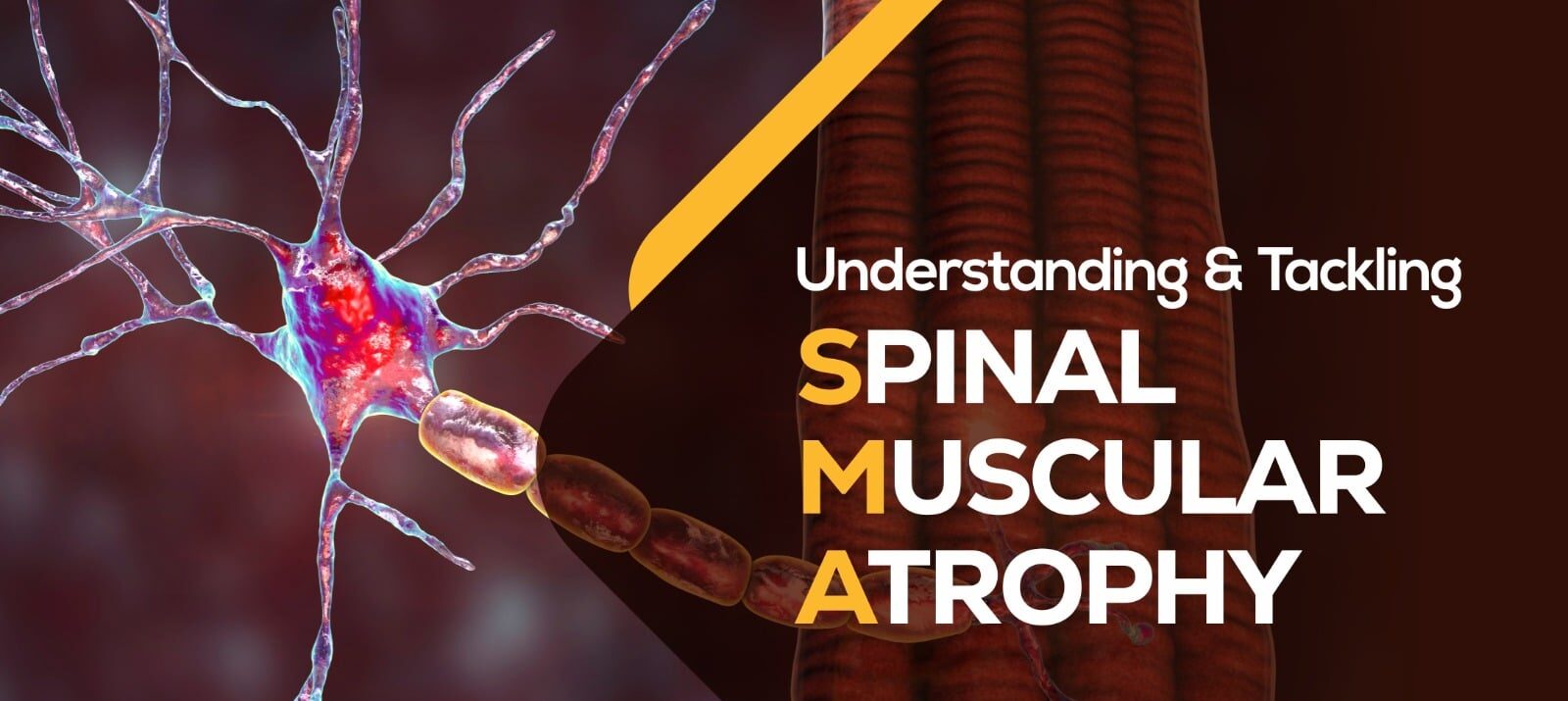
When 2-month-old Naina’s parents noticed she couldn’t lift her head, seemed unusually weak and floppy, and had difficulty swallowing, genetic testing revealed spinal muscular atrophy (SMA) Type 1—the most severe form of a devastating inherited neuromuscular disorder affecting approximately 1 in 10,000 births worldwide, caused by mutations in the SMN1 gene that result in degeneration of motor neurons (nerve cells controlling voluntary muscle movement) in the spinal cord. Just ten years ago, her pediatric neurologist would have delivered the heartbreaking news that babies with SMA Type 1 rarely survive beyond age 2, progressively losing the ability to swallow, breathe, and move as motor neurons died off, with no treatment available beyond supportive care and comfort measures as families watched their children slowly succumb to respiratory failure. However, in one of modern medicine’s most dramatic treatment breakthroughs, the doctor instead offered hope: three revolutionary therapies approved between 2016-2020—nusinersen (Spinraza), an antisense oligonucleotide increasing SMN protein production; onasemnogene abeparvovec (Zolgensma), a one-time gene therapy delivering a functional SMN1 gene; and risdiplam (Evrysdi), an oral medication modifying SMN2 splicing—have transformed SMA from invariably fatal to treatable, with babies diagnosed through newborn screening and treated presymptomatically now achieving completely normal motor development in many cases. Understanding spinal muscular atrophy is crucial because universal newborn screening (now implemented in all US states as of 2018) catches SMA before irreversible motor neuron death occurs, allowing immediate treatment that can prevent all symptoms in Type 1 babies who would otherwise die by age 2, the three available therapies work through different mechanisms and have different administration methods (repeated spinal injections versus one-time IV infusion versus daily oral medication), creating complex treatment decisions for families, and while these treatments are genuinely transformative, they’re not cures—even treated patients may develop some weakness over time, and the treatments are staggeringly expensive ($750,000-$2.1 million for initial treatment), raising healthcare cost and access questions globally.
The SMN1 Gene and Motor Neuron Survival: When Cells That Control Movement Die
Spinal muscular atrophy results from mutations in the SMN1 gene (survival motor neuron 1) located on chromosome 5q13. SMN1 provides instructions for making SMN protein (survival motor neuron protein), which is expressed in all cells but is particularly critical for motor neurons—specialized nerve cells in the spinal cord that send signals from the brain to muscles, controlling all voluntary movement. SMN protein has multiple cellular functions including assembly of small nuclear ribonucleoproteins (snRNPs)—essential components of the spliceosome machinery that processes messenger RNA, axonal transport—moving materials along the long extensions (axons) of motor neurons, and specific motor neuron survival functions not fully understood but critical for maintaining these cells.
When SMN protein levels are severely reduced due to SMN1 mutations, motor neurons in the spinal cord (particularly anterior horn cells) progressively degenerate and die, causing muscles to receive no nerve signals, resulting in progressive muscle weakness, atrophy (wasting), and paralysis. The muscles themselves are structurally normal—the problem is loss of nerve supply. A unique genetic situation makes SMA’s genetics complex. Humans have two nearly identical SMN genes on chromosome 5: SMN1 (the telomeric copy—farther from chromosome center) produces full-length, fully functional SMN protein and is the primary source of SMN protein. SMN2 (the centromeric copy—closer to chromosome center) differs from SMN1 by a single nucleotide (C→T substitution in exon 7), causing most SMN2 transcripts to undergo alternative splicing that skips exon 7, producing truncated, unstable, non-functional SMN protein. Only about 10-15% of SMN2 transcripts include exon 7 and produce functional full-length SMN protein.
Most people have 1-2 copies of SMN1 (one on each chromosome 5) and 1-4 copies of SMN2 (copy number varies). SMA patients have homozygous deletion or mutation of both SMN1 copies (inherited one deleted/mutated copy from each parent), leaving no functional SMN1. They rely entirely on SMN2 for SMN protein production. Since SMN2 is inefficient (only 10-15% functional protein), total SMN protein levels are severely reduced (5-20% of normal depending on SMN2 copy number). The number of SMN2 copies a patient has dramatically affects disease severity—more SMN2 copies = more total SMN protein = milder disease. Type 1 SMA (most severe) typically has 1-2 SMN2 copies, Type 2 SMA (intermediate) typically has 3 SMN2 copies, Type 3 SMA (mild) typically has 3-4 SMN2 copies, and Type 4 SMA (adult-onset, very mild) typically has 4+ SMN2 copies.
This SMN2 copy number correlation isn’t perfect (exceptions exist), but it’s generally predictive. About 95-98% of SMA cases are caused by homozygous deletion of SMN1 exon 7 (both copies completely deleted). The remaining 2-5% have one deleted SMN1 copy and one point mutation in the other copy (compound heterozygotes). SMA follows autosomal recessive inheritance—both parents must carry one mutated/deleted SMN1 copy. Each pregnancy has 25% chance of SMA, 50% chance of carrier status, and 25% chance of two normal copies. Carrier frequency is approximately 1 in 40-60 in most populations (making SMA one of the most common autosomal recessive disorders), explaining the relatively high disease incidence of 1 in 10,000 births.
Symptoms: Four Types with Vastly Different Severity and Prognosis
SMA is classified into types based on age of symptom onset and maximum motor function achieved. Type 1 SMA (Werdnig-Hoffmann disease, infantile-onset SMA) represents 60% of SMA cases and is the most severe. Symptoms onset occurs by age 6 months (usually 0-3 months), with severe hypotonia from birth or early infancy (“floppy baby”), weak cry and difficulty feeding/swallowing from birth, inability to achieve independent sitting—babies never sit without support, and characteristic “frog-leg” posture (legs splayed out due to weak hip muscles). Progressive motor decline shows worsening weakness over weeks to months, loss of what little movement they had, tongue fasciculations (visible trembling/twitching of tongue—hallmark sign), absent deep tendon reflexes, and bell-shaped chest from weak intercostal muscles (chest doesn’t expand normally).
Respiratory complications develop early with weak breathing from diaphragm and intercostal muscle weakness, inability to cough effectively (can’t clear secretions), recurrent respiratory infections (pneumonia), and respiratory failure typically by 6-12 months without treatment. Historically (before treatment era), 90% died by age 2 from respiratory failure, median survival was 8-10 months, and no babies survived beyond age 4 without permanent ventilation.
Type 2 SMA (intermediate SMA, Dubowitz disease) represents 30% of cases. Symptom onset occurs between age 6-18 months, often after normal early development. Babies achieve independent sitting (key distinguishing feature from Type 1) but never achieve independent walking without support. Progressive weakness happens more slowly than Type 1—sitting ability maintained but other milestones not achieved. Fine motor skills develop—can use hands, manipulate objects. Scoliosis develops in most patients (>90%) from weak trunk muscles, often severe requiring surgery. Contractures (joint stiffness) develop from muscle imbalance. Respiratory complications occur later than Type 1—most develop respiratory muscle weakness by late childhood/adolescence, many require nighttime ventilation (BiPAP) by teenage years, and some progress to 24-hour ventilation.
Historically, most survived into adulthood (twenties-forties) with appropriate care including ventilation support and aggressive management of respiratory infections. Quality of life varied enormously—some maintained good function for decades, while others had progressive disability.
Type 3 SMA (Kugelberg-Welander disease, juvenile-onset SMA) represents 10% of cases. Symptom onset occurs after age 18 months (often childhood or adolescence), sometimes not until twenties. Patients achieve independent walking (key feature distinguishing from Type 2), though often lose this ability years later. Progressive weakness is slow and variable—some lose walking ability in teens/twenties, others maintain it for decades. Proximal muscles are most affected (shoulders, hips, thighs). Fine motor function generally preserved allows normal hand use, writing, using utensils. Scoliosis is less common and severe than Type 2. Respiratory involvement is minimal or absent in many patients, though some develop respiratory muscle weakness in adulthood. Historically, normal or near-normal lifespan was typical with many living into sixties-seventies, and functional status varied from wheelchair-dependent to fully ambulatory depending on severity.
Type 4 SMA (adult-onset SMA) represents <5% of cases. Symptom onset occurs in adulthood (twenties-sixties), with mild progressive weakness, typically maintaining walking ability throughout life, and minimal or no respiratory involvement. This has a normal lifespan and good quality of life. Other features across all types include no cognitive impairment—intelligence is completely normal in SMA (unlike some neuromuscular disorders), bulbar weakness in severe cases causes difficulty swallowing, chewing, and speaking, and orthopedic complications include scoliosis, hip dislocation, and contractures from muscle imbalance.
Diagnosis: From Clinical Suspicion to Genetic Confirmation and Newborn Screening
Diagnosing SMA combines clinical recognition with genetic testing. Clinical suspicion arises from severe hypotonia (floppiness) in infant, progressive weakness in child/adult, tongue fasciculations (very characteristic of SMA), absent or reduced deep tendon reflexes with normal sensation (pure motor disorder, no sensory involvement), and family history of SMA or infant deaths from “pneumonia” or “SIDS” (possibly undiagnosed SMA historically).
Laboratory testing shows elevated creatine kinase (CK)—mildly elevated or normal (unlike muscular dystrophies which have very high CK). Electromyography (EMG) reveals denervation pattern (muscle showing loss of nerve supply)—fibrillations, positive sharp waves, and large amplitude motor units. Muscle biopsy shows grouped atrophy (groups of denervated muscle fibers next to normal fibers)—creates characteristic checkerboard pattern. Biopsy is rarely done now that genetic testing is available but was historically diagnostic.
Genetic testing provides definitive diagnosis. SMN1 deletion/mutation testing uses multiplex ligation-dependent probe amplification (MLPA) or similar techniques detecting homozygous SMN1 deletion or compound heterozygous mutations (one deletion, one point mutation). This confirms diagnosis in >95% of cases. SMN2 copy number determination counts how many SMN2 copies the patient has, helping predict severity (though not perfectly). This aids prognosis and treatment decisions. Carrier testing identifies carriers (people with one deleted SMN1 copy)—important for family planning.
Newborn screening for SMA was added to the Recommended Uniform Screening Panel (RUSP) in 2018. All US states now screen (as of 2018-2022, depending on state). Screening uses dried blood spot (same heel prick as other newborn screening), detecting SMN1 homozygous deletion via PCR or similar methods. Positive screens (no SMN1 detected) require immediate confirmatory testing (repeat genetic testing, SMN2 copy number) and urgent referral to neuromuscular specialist within days.
The goal is treatment initiation before symptom onset (presymptomatic treatment)—babies treated before developing symptoms have dramatically better outcomes than those treated after symptoms appear. Every day counts in Type 1 SMA. Prenatal diagnosis is possible if parents are known carriers through CVS (10-13 weeks) or amniocentesis (15-20 weeks), testing fetal cells for SMN1 deletion. This is increasingly pursued as carrier screening becomes more common.
Differential diagnosis includes other causes of hypotonia in infants such as other motor neuron diseases, congenital myopathies, muscular dystrophies, metabolic disorders, and chromosomal abnormalities. For older children/adults with progressive weakness, other considerations are limb-girdle muscular dystrophies, inflammatory myopathies, and Kennedy’s disease (adult-onset motor neuron disease). The combination of progressive weakness, tongue fasciculations, and absent reflexes strongly suggests SMA.
Treatment: The Revolutionary Era of SMA Therapy
The period 2016-2020 brought three disease-modifying therapies to market, revolutionizing SMA treatment. Nusinersen (Spinraza), approved in 2016, was the first treatment. It’s an antisense oligonucleotide (ASO)—synthetic piece of RNA that binds to SMN2 pre-mRNA, modifying splicing to include exon 7, which increases production of full-length functional SMN protein from SMN2 (turning the inefficient SMN2 into a better SMN protein source).
Administration requires intrathecal injection (spinal tap—medication injected into cerebrospinal fluid surrounding spinal cord). Loading doses are 4 injections over first 2 months (days 0, 14, 28, 63), then maintenance doses every 4 months for life. Each injection requires lumbar puncture. Efficacy in Type 1 SMA shows dramatically improved survival—61% alive without permanent ventilation at 13 months versus 0% in historical controls, motor milestone achievement—47% achieved motor milestones (head control, sitting) versus 0% in controls, and continued benefit with long-term treatment—some children achieved sitting, standing, even walking after years of treatment.
Efficacy in later-onset SMA (Types 2-3) shows stabilization or improvement in motor function versus decline in untreated patients, improved walking distance in ambulatory patients, and better respiratory function. Limitations include requires repeated spinal taps every 4 months for life (challenging and uncomfortable, especially in children with scoliosis or spinal fusion), doesn’t cross blood-brain barrier well (must be given intrathecally), and presymptomatic treatment is better than symptomatic (treating babies before symptoms gives best results).
Onasemnogene abeparvovec (Zolgensma), approved in 2019, is a one-time gene therapy. It uses AAV9 vector (adeno-associated virus serotype 9—modified virus that doesn’t cause disease) carrying functional SMN1 gene, delivering the gene to motor neurons throughout body including brain and spinal cord via single IV infusion. Administration involves one-time IV infusion over 60 minutes in babies <2 years old. That’s it—one treatment for life (theoretically). Efficacy in presymptomatic Type 1 babies shows near-normal motor development—most achieve sitting, standing, walking, completely normal or near-normal outcomes, and dramatically reduced mortality. Efficacy in symptomatic Type 1 babies shows significant improvement but less than presymptomatic—many survive without ventilation, achieve motor milestones, but outcomes not as good as presymptomatic treatment.
Limitations include age restriction—only approved for babies <2 years old (2 years is when AAV9 can still effectively cross blood-brain barrier). Older children/adults can’t receive it. Immune response risk means some babies develop liver toxicity requiring steroids, pre-existing anti-AAV9 antibodies (from natural AAV exposure) exclude patients from treatment, and monitoring with intensive liver function monitoring required for months post-infusion. Unknown durability raises the question of whether one dose provides lifelong benefit or if effect wanes over decades. The oldest treated patients are now only 8-10 years old—long-term durability unknown. Cost is $2.1 million for single dose (most expensive drug ever approved when launched).
Risdiplam (Evrysdi), approved in 2020, is an oral SMN2 splicing modifier. It’s a small molecule increasing SMN2 exon 7 inclusion (similar mechanism to nusinersen but oral, not injected). Administration is daily oral liquid medication for life—much easier than spinal taps or gene therapy. Efficacy in Type 1 babies shows improved survival and motor milestones versus untreated, though possibly less dramatic than nusinersen or Zolgensma (comparative data limited). Efficacy in Types 2-3 shows stabilization or improvement in motor and respiratory function. Advantages include oral administration (easy, non-invasive), treats all ages (no upper age limit like Zolgensma), and crosses blood-brain barrier (systemic distribution).
Limitations include requires daily dosing for life versus periodic nusinersen or one-time Zolgensma, long-term safety data still emerging, and efficacy possibly less than nusinersen or Zolgensma (data still accumulating).
Choosing between treatments involves complex decisions. For presymptomatic Type 1 babies (caught by newborn screening): many experts favor Zolgensma (one-time treatment, excellent outcomes in presymptomatic babies, avoids lifelong injections/medications), though some choose nusinersen or risdiplam (longer track record, ongoing dosing allows adjustment if needed). For symptomatic Type 1 babies: all three are options. Choice depends on age (<2 years for Zolgensma), family preference, insurance coverage, and physician recommendation. For Types 2-3-4: nusinersen and risdiplam are approved. Zolgensma only for <2 years old. Many older patients choose risdiplam (oral, easier) over nusinersen (repeated spinal taps).
Supportive care remains crucial even with disease-modifying therapy. Respiratory support includes monitoring pulmonary function, initiating BiPAP when needed, cough assist devices, and aggressive treatment of respiratory infections. Nutritional support uses feeding tubes if swallowing difficulties, high-calorie diets maintaining nutrition, and monitoring for aspiration. Orthopedic care manages scoliosis (bracing or surgery), prevents contractures through PT/stretching, and addresses hip dislocation if present. Physical and occupational therapy maintains function and prevents complications. Equipment and assistive technology provides wheelchairs, communication devices if needed, and adaptive equipment for daily living.
Living with SMA: Transformation from Fatal to Chronic Manageable Disease
The SMA landscape has changed so dramatically in the past 5-10 years that discussing “living with SMA” requires distinguishing between three eras: the pre-treatment era (before 2016), early treatment era (2016-2020—treatments available but many patients already symptomatic when treated), and newborn screening era (2018+—presymptomatic treatment now possible). Pre-treatment era (before 2016): Type 1 babies died by age 2 in >90% of cases. Families provided supportive care and comfort measures, made heartbreaking end-of-life decisions (whether to place on ventilator, knowing it would be permanent), and experienced profound grief watching progressive decline.
Types 2-3 patients survived longer but had progressive disability—many became wheelchair-dependent, required ventilation, experienced orthopedic complications, and faced shortened lifespans (especially Type 2). Early treatment era (2016-2020): treatments became available but most patients already had symptoms and motor neuron loss. Treated symptomatic Type 1 babies showed dramatic improvements—many survived who would have died, gained motor skills, but most still had significant disabilities compared to normal children. Treated Types 2-3 patients had stabilization or improvement—disease progression slowed, function maintained or improved, and quality of life improved significantly.
Newborn screening era (2018+): presymptomatic treatment of Type 1 babies is now possible. Babies caught by screening before symptom onset and treated immediately (within first weeks of life) achieve near-normal development—many are sitting, standing, walking normally, completely preventing the devastating course that would otherwise occur. This is the most dramatic change—essentially preventing Type 1 SMA from manifesting. However, long-term outcomes are still unknown—oldest presymptomatic-treated babies are now only 6-8 years old, so it’s unclear if they’ll maintain normal function into adulthood or develop later weakness.
Current reality for families varies enormously depending on when diagnosed and treated. Presymptomatic treated infants experience near-normal early childhood—most developing normally, attending regular schools, and participating in activities. However, uncertainty about long-term outcomes raises the question of whether they’ll maintain function or develop weakness later. Symptomatic treated children show improved outcomes but ongoing challenges—many have mobility limitations (wheelchairs, walkers), respiratory support needs, orthopedic issues, and frequent medical care.
Quality of life can be very good despite disabilities—normal intelligence allows full cognitive participation, strong social connections and family bonds, adapted activities and hobbies, and many patients report high life satisfaction. Lifespan transformation has occurred—Type 1 historically fatal by age 2 now has many survivors into childhood, adolescence, early adulthood with treatment, and presymptomatic-treated babies expected to have normal or near-normal lifespan (though data still emerging). Types 2-3 now expect near-normal lifespan with treatment and supportive care.
Psychological and social impact includes hope versus uncertainty—families have hope from treatments but uncertainty about long-term outcomes. Treatment burden involves frequent hospital visits, medical procedures, and financial stress from astronomical treatment costs ($750,000-$2.1 million initially, plus ongoing costs). Strong SMA community support comes from Cure SMA, Muscular Dystrophy Association, and numerous parent/patient advocacy groups.
The future is bright with gene therapy improvements using next-generation vectors with better motor neuron targeting, potentially treating older patients, and combining therapies exploring nusinersen + risdiplam or other combinations. Small molecule therapies are seeking drugs further enhancing SMN production or protecting motor neurons through other mechanisms. Long-term outcome data on presymptomatic-treated babies will emerge over the next 10-20 years, answering critical questions about durability.
Frequently Asked Questions
Q1: Our baby’s newborn screening came back positive for SMA. The doctor says we need to start treatment immediately, within days. She seems completely healthy—why such urgency, and can’t we wait to see if she develops symptoms?
The urgency cannot be overstated, and waiting for symptoms would be catastrophic. Here’s why immediate treatment is critical: SMA causes irreversible motor neuron death. Right now, your baby appears healthy because she still has most of her motor neurons intact. Motor neurons are dying, but there are enough remaining that she can still move, breathe, and swallow normally. However, once motor neurons die, they’re gone forever—they don’t regenerate. SMA is a relentless process of progressive motor neuron death. Without treatment, your baby is losing motor neurons every single day.
The timeline in untreated Type 1 SMA shows weeks 0-8 (birth to 2 months) as motor neurons dying but enough remain for relatively normal function—baby may seem fine or only mildly floppy. Weeks 8-16 (2-4 months) bring obvious weakness developing—can’t lift head, can’t roll over, feeding difficulties begin. Weeks 16-24 (4-6 months) show rapid decline—severe weakness, can’t move at all, respiratory failure developing, and feeding becomes impossible. By 6-12 months, death occurs from respiratory failure in most untreated babies.
The critical window for treatment is before irreversible damage. Studies comparing presymptomatic versus symptomatic treatment show babies treated before symptom onset (caught by newborn screening, treated within first weeks of life) achieve completely normal or near-normal motor development—sitting, standing, walking at normal ages, normal strength, and normal respiratory function. Babies treated after symptoms develop (even just a few weeks of symptoms) have significantly worse outcomes—many survive (huge improvement versus no treatment), achieve some motor milestones, but don’t reach normal function, often need respiratory support, and have permanent disabilities.
The difference is stark: presymptomatic treatment essentially prevents the disease from manifesting, while symptomatic treatment improves but doesn’t normalize outcomes. Every week, even every day, of delay before treatment means more motor neurons are lost permanently—those neurons will never come back even after treatment starts. Waiting for symptoms means waiting until enough motor neurons have died that weakness becomes obvious—by then, significant irreversible damage has occurred.
Here’s a concrete example from clinical trials: babies treated at average age 3 weeks (presymptomatic) had 100% survival without permanent ventilation, achieved sitting at normal age (6-9 months), and many achieved walking. Babies in the same trial treated at average age 3 months (early symptomatic—just starting to show weakness) had 50% survival without ventilation, achieved sitting at 18+ months (delayed), and very few achieved walking. That 2.5-month delay made an enormous difference in outcomes.
Your baby’s screening was positive, which means genetic testing confirmed she has SMA—this isn’t a false positive. If she has 1-2 SMN2 copies (typical for Type 1 SMA), she will develop symptoms within weeks to months without treatment. Waiting to “see what happens” guarantees she’ll develop symptoms, and by then, treatment will be playing catch-up with a disease that’s already caused permanent damage. Treatment options include Zolgensma (one-time gene therapy—highly favored for presymptomatic Type 1 babies), nusinersen (repeated spinal injections), or risdiplam (daily oral medication). Your neurologist will discuss options, but consensus strongly favors treating presymptomatic babies immediately with Zolgensma if eligible.
The treatment should happen within days to weeks—not months. Insurance approval can take time, but don’t let this create delay. Many treatment centers expedite presymptomatic babies. What you should do immediately: meet with pediatric neurologist/neuromuscular specialist urgently (within days), get confirmatory testing if not already done (SMN1 deletion verification, SMN2 copy number), begin treatment approval process immediately, and start treatment as soon as possible (ideally within 2-4 weeks of screening result, absolutely before any symptoms develop).
I understand this is terrifying—your baby seems healthy and you’re being told to give her intensive medical treatment immediately. It feels wrong to treat a baby who appears fine. But this is exactly the point of newborn screening—catching disease before it becomes obvious, when treatment can still prevent all the damage. Your baby won’t stay healthy without treatment. Every baby with Type 1 SMA develops devastating symptoms without treatment, and the outcomes with presymptomatic treatment are so dramatically better than symptomatic treatment that immediate action is medically, ethically, and urgently necessary. This is genuinely a medical emergency despite appearances—treat now while she’s healthy to keep her healthy.
Q2: We’re deciding between Zolgensma (gene therapy) and nusinersen (Spinraza) for our presymptomatic baby with Type 1 SMA. What would you recommend, and what are the real pros and cons of each?
This is one of the most important treatment decisions you’ll make, and both options are excellent—there’s no universally “wrong” choice. However, for presymptomatic Type 1 babies specifically, most experts and families favor Zolgensma, though nusinersen remains a valid alternative. Here’s the detailed comparison:
Zolgensma advantages: One-time treatment—single IV infusion and done (theoretically). No need for repeated procedures for life. Presymptomatic outcomes are outstanding—in clinical trials, 100% of presymptomatic Type 1 babies treated with Zolgensma survived without permanent ventilation, most achieved sitting, standing, walking at normal ages, and developmental outcomes approached normal. Addresses CNS disease—crosses blood-brain barrier, treating motor neurons in brain and spinal cord systemically. No repeated procedures—single infusion versus lumbar punctures every 4 months for life.
Zolgensma disadvantages: Age restriction—only approved for babies <2 years old, though your presymptomatic baby certainly qualifies. Unknown long-term durability—oldest Zolgensma-treated patients are now only 8-10 years old. Will one dose last a lifetime, or might repeat treatment be needed decades later? Unknown. Immune response risks include liver toxicity in some babies (requires close monitoring and steroids), pre-existing anti-AAV9 antibodies (rare in newborns but possible from maternal transfer) disqualify treatment, and intensive monitoring is required for weeks to months post-infusion (frequent blood tests checking liver function). One chance only—if Zolgensma doesn’t work adequately, you can add nusinersen later, but you only get one shot at Zolgensma. Cost is $2.1 million (though usually insurance-covered).
Nusinersen advantages: Longer track record—approved 2016, been used longer than Zolgensma (2019), so more long-term data. Proven presymptomatic efficacy—presymptomatic babies on nusinersen also do very well, achieving motor milestones and normal development in many cases. Ongoing dosing allows adjustment—if not responding optimally, can increase frequency or combine with other treatments. Lower immediate risk—no liver toxicity concerns, no viral vector immune issues. No age restriction—can be used in older children/adults if needed later.
Nusinersen disadvantages: Repeated lumbar punctures—every 4 months for life. Four injections in first 2 months, then every 4 months forever. Each requires spinal tap (uncomfortable, some risk, technically challenging in babies). In children who develop scoliosis or have spinal fusion surgery, spinal taps become very difficult or impossible. Doesn’t cross blood-brain barrier as effectively as Zolgensma—delivered to CSF but may not reach all motor neurons as well. Presymptomatic outcomes slightly less impressive than Zolgensma in head-to-head comparisons (though both are excellent). Lifelong treatment commitment and cost is $750,000 first year, then $375,000 per year ongoing for life (cumulative cost eventually exceeds Zolgensma).
What most experts recommend for presymptomatic Type 1: The majority of pediatric neurologists and SMA experts favor Zolgensma for presymptomatic Type 1 babies specifically because one-time treatment is enormously appealing—avoids lifelong spinal taps. Presymptomatic Zolgensma outcomes are truly outstanding—essentially indistinguishable from normal development in many babies. Treating babies (rather than older children) is when Zolgensma works best—younger babies have better transduction, fewer immune complications, and better CNS penetration.
Scenarios favoring nusinersen instead: Pre-existing anti-AAV9 antibodies disqualify Zolgensma—must use nusinersen. Family preference for proven track record despite procedures—some families are more comfortable with the “known quantity” of nusinersen despite repeated procedures. Contraindication to Zolgensma such as severe liver disease (rare in newborns) or active infection precluding gene therapy. Desire for ongoing control—some families prefer the ability to “keep treating” rather than one-and-done.
My perspective: For a presymptomatic Type 1 baby with no contraindications, I would personally lean toward Zolgensma because the one-time treatment avoiding lifelong procedures is hugely appealing, presymptomatic outcomes are phenomenal, and treating at this young age is the optimal Zolgensma window. However, nusinersen is absolutely a valid choice, and if your family feels more comfortable with it for any reason, the outcomes are also excellent. Some families choose Zolgensma as primary treatment but are prepared to add nusinersen later if needed (can do both—they work through different mechanisms).
Practical considerations: Check insurance coverage—both are usually covered, but verify. Discuss with your neuromuscular team—they know your baby’s specific situation (SMN2 copy number, any complicating factors). Connect with other SMA families—hearing from parents who chose each option provides real-world perspective. Trust your instincts—both treatments are transformative. Choose the one you and your medical team feel most confident about, knowing that either choice gives your baby an excellent prognosis.
Q3: Our 4-year-old daughter has Type 2 SMA and has been on Spinraza for 2 years. She’s maintained her function but hasn’t improved—she still can’t stand or walk. Is this the best we can hope for, or are there other options?
Your daughter’s experience—stabilization without significant improvement—is very typical for symptomatic Type 2 SMA patients treated with nusinersen (Spinraza). Understanding realistic expectations versus hoping for more progress is important. What nusinersen typically achieves in symptomatic Type 2 SMA: stabilization or slowing of progression is the primary benefit—without treatment, Type 2 patients slowly decline over years (losing sitting balance, developing worsening scoliosis, progressive respiratory weakness). Nusinersen typically halts or dramatically slows this decline—maintaining current function is a genuine success, preventing deterioration that would otherwise occur.
Modest improvements in some patients show improved endurance, hand function, or trunk control. Some children get slightly stronger in specific muscle groups. Improved respiratory function is seen—many have better breathing capacity, less frequent respiratory infections. Quality of life improves with less fatigue, better overall health, and psychological benefit of “fighting the disease.” However, major motor gains (non-ambulatory children achieving walking) are uncommon—this does happen occasionally, but it’s rare, not typical. Most children who couldn’t walk before treatment don’t achieve walking with nusinersen.
Why improvement is limited in symptomatic patients: motor neurons already lost—by the time symptoms developed (infancy for Type 2), significant motor neuron death had already occurred. Those neurons are gone permanently. Nusinersen prevents further loss and may strengthen surviving neurons, but can’t bring back dead ones. Established muscle atrophy and weakness—years of denervation cause muscle changes (atrophy, fibrosis, fatty replacement). Even if nerve supply improves, these chronic muscle changes limit strength recovery. Age and duration of disease—treating a 2-year-old who’s been symptomatic for 2 years is fundamentally different from treating a presymptomatic newborn. There’s been 2 years of progressive damage.
Your options going forward: continue nusinersen—stabilization is valuable. Preventing further decline protects her current function and quality of life. Consider switching to risdiplam (Evrysdi)—oral medication instead of spinal injections. Some families switch for convenience (daily pills versus spinal taps every 4 months). Efficacy is similar to nusinersen in Type 2—stabilization, modest improvements in some patients. No clear evidence one is superior to the other. The main benefit is ease of administration.
Consider combination therapy—some centers are exploring nusinersen plus risdiplam or other combinations. Data are very limited, and it’s experimental. Unclear if combination is better than either alone, but some families/doctors try it. Maximize supportive care through intensive physical therapy (can strength training combined with medication improve function?), orthopedic management for scoliosis before it worsens (bracing, possibly surgery if severe), respiratory support optimizing breathing (monitoring, initiating BiPAP if needed), and assistive technology and equipment (power wheelchair for mobility/independence, standing frames for bone health and developmental benefits even if she can’t walk independently).
Experimental trials may include gene therapy trials for older Type 2 children (currently Zolgensma only approved <2 years, but trials in older children are underway), next-generation therapies (various experimental approaches in clinical trials—check ClinicalTrials.gov for active SMA trials), and combination approaches (studies testing nusinersen + risdiplam or other combinations).
Realistic long-term expectations for treated Type 2: most maintain sitting ability throughout life—this is hugely valuable for independence, development, and quality of life. Walking is unlikely for those who couldn’t walk before treatment—some might achieve standing with support (standing frame, walker), but independent walking is uncommon for non-ambulatory Type 2 patients even with treatment. Respiratory function stabilizes in most patients—many avoid or delay need for 24-hour ventilation. Scoliosis remains a challenge—bracing or surgery often needed despite treatment. Lifespan is significantly extended with treatment plus supportive care. Many Type 2 patients now expected to live into adulthood (forties-sixties+) versus shorter lifespans historically.
Quality of life can be very good despite motor limitations—normal intelligence allows full education, social life, career aspirations (many Type 2 patients attend college, work, marry), assistive technology provides mobility and independence (power wheelchairs, adapted vehicles, computers), and strong community support comes from SMA family groups and disability communities.
Perspective from the SMA community: many Type 2 SMA adults (both pre-treatment and treated) emphasize that while physical limitations are real, they don’t preclude meaningful, fulfilling lives. Stabilization preventing decline is genuinely valuable—many pre-treatment Type 2 patients lost sitting ability in teens/twenties, developed severe scoliosis/respiratory failure, and had progressive decline. Maintaining function preserves independence and quality of life. Hope for future therapies—gene therapy for older children, improved treatments are in development. Your daughter may benefit from these in coming years.
My recommendation: continue treatment (nusinersen or switch to risdiplam for convenience), maximize supportive care, maintain realistic expectations (stability is success, major motor gains unlikely but possible), focus on quality of life and her overall development rather than motor function alone, and stay connected to SMA community and research. New therapies are coming that might offer more in the future. Your daughter’s stability after 2 years on nusinersen is actually a success story—she’s not declining, she’s maintained function, and with ongoing treatment and care, she has an excellent long-term prognosis for living a long, meaningful life.
Q4: Our 16-year-old son was just diagnosed with Type 3 SMA. He’s been slowly getting weaker for the past few years but can still walk with a cane. Should he start treatment, and will it help at his age?
Yes, your son should absolutely start treatment, and there’s good evidence it will help even at age 16 with Type 3 SMA. Here’s what you need to know: both nusinersen (Spinraza) and risdiplam (Evrysdi) are FDA-approved for all ages including adolescents and adults with SMA. Clinical trials specifically included Type 3 adolescent and adult patients. Zolgensma is only approved for babies <2 years, so it’s not an option for him. Evidence for treatment benefit in Type 3 adolescents/adults shows stabilization of motor function—treated patients maintained walking ability, strength, and function better than untreated patients who continued slow decline. Improvement in some patients includes modest strength gains, improved endurance/stamina, and better respiratory function.
Quality of life benefits show less fatigue, improved overall health, and psychological benefit of actively treating disease. Long-term benefit remains uncertain—oldest treated Type 3 patients only have 6-8 years of follow-up, so whether benefit persists for decades is unknown. However, the risk-benefit analysis strongly favors treatment in ambulatory Type 3 patients—the treatments are generally safe, the potential benefit (maintaining walking, slowing progression) is significant, and the alternative (no treatment) means continued slow decline with likely loss of walking ability within 5-10 years.
Type 3 natural history without treatment shows progressive weakness over years to decades—proximal muscles (shoulders, hips, thighs) weaken first, difficulty climbing stairs, getting up from chairs (may use hands to push up—Gower’s sign), and waddling gait from hip weakness. Loss of ambulation in many patients—occurs at varying ages depending on severity (teens-twenties in more severe Type 3, thirties-fifties in milder Type 3), often wheelchair-dependent eventually. Respiratory weakness develops in some (less common than Type 2, but occurs in some Type 3 patients by adulthood). Scoliosis happens in 30-50% (less than Type 2, but still significant). Quality of life impact includes progressive disability, loss of independence, and emotional/psychological burden of decline.
Treatment goal at his age (16, ambulatory) is maintaining walking ability for as long as possible—this is the most important functional outcome. Walking preserves independence, bone health, cardiovascular health, and psychological wellbeing. Slowing overall progression prevents strength decline in arms/hands (important for daily function), respiratory decline, and scoliosis worsening. Improving quality of life through reducing fatigue and providing hope/active management.
Choosing between nusinersen versus risdiplam: both are approved for his age and Type 3 SMA. Efficacy appears similar for Type 3 (no head-to-head trials, but similar results in separate studies). The main difference is administration—nusinersen requires spinal injections every 4 months for life (lumbar punctures can be challenging in patients with scoliosis), while risdiplam is daily oral medication for life (much more convenient, non-invasive). Most Type 3 adolescents/adults choose risdiplam for convenience unless there’s a reason to favor nusinersen (strong family preference, specific medical circumstances, physician recommendation based on individual factors).
Realistic expectations for treatment at age 16: stabilization is the most likely outcome—maintaining his current walking ability, strength, function. Major improvement (getting significantly stronger) is unlikely—most adolescent/adult Type 3 patients stabilize rather than improve. However, stabilization is valuable—preventing the decline that would otherwise occur over the next 5-10 years. Modest improvements are possible—some patients report less fatigue, slightly better endurance, feeling stronger (even if objective measures show mainly stabilization). Long-term benefit is unknown but likely—though data only extend 6-8 years so far.
What he should do: start treatment as soon as possible—there’s no reason to delay. Choose between nusinersen or risdiplam (most choose risdiplam for convenience). Continue physical therapy and exercise—there’s evidence that exercise plus treatment is better than treatment alone. Strength training, cardio within his capacity can help maintain function. Monitor progression regularly with pulmonary function tests every 6-12 months checking respiratory muscle strength, motor function assessments tracking strength and walking ability, and scoliosis monitoring if present.
Consider clinical trials—various next-generation SMA therapies are in trials for adolescents/adults. Check ClinicalTrials.gov and ask his neurologist. Plan for the future proactively, including college/career planning (accommodations as needed, considering physical limitations in career choices), home/vehicle modifications if needed, and financial planning (disability insurance, long-term planning).
Perspective and psychological impact: diagnosis at 16 after years of progressive weakness is psychologically challenging—he’s aware of his disease, understands prognosis, likely has anxiety about the future. Treatment provides hope and active management (psychologically beneficial even beyond physical benefits). Connect him with other young adults with Type 3 SMA (many are living full lives—college, careers, relationships despite physical limitations). Counseling support helps process diagnosis and adapt to chronic disease. Focus on abilities and life goals, not just limitations.
The bottom line: start treatment (risdiplam likely easiest option). The goal is maintaining his walking for as long as possible—this is genuinely achievable with treatment. Even if he eventually needs a wheelchair years from now, delaying that transition by 5-10+ years through treatment is enormously valuable. Combined with PT, exercise, supportive care, he has an excellent chance of maintaining good function and quality of life through his twenties and beyond. Type 3 SMA with treatment has very good long-term prognosis—many patients remain ambulatory for decades, work full careers, live independently, have normal lifespan. Starting treatment now protects that future.
Q5: We’re both carriers for SMA (our first child has SMA Type 1). We want more children. What are our options, and what would you recommend?
As confirmed SMA carriers, each pregnancy has a 25% (1 in 4) chance of an affected child, 50% chance of a carrier, and 25% chance of non-carrier. Given you’ve already experienced SMA Type 1 with your first child, it’s wise to carefully consider reproductive options for future pregnancies. Your options include accepting the 25% risk and relying on newborn screening plus immediate treatment—if baby has SMA, detected at birth through screening, immediate presymptomatic treatment (likely Zolgensma) allows near-normal development in most Type 1 babies now. Many SMA carrier couples choose this approach given treatment success. However, there’s still 25% risk of affected child, uncertainty about very long-term outcomes (presymptomatic-treated babies only 6-8 years old so far), treatment burden and medical management (even treated babies need ongoing care), and emotional impact of managing SMA again.
Prenatal diagnosis determines if fetus has SMA during pregnancy through CVS (10-13 weeks) or amniocentesis (15-20 weeks), testing fetal cells for SMN1 deletion. If fetus has SMA (homozygous deletion), you have advance knowledge allowing preparation for immediate postnatal treatment or some couples choose termination. If unaffected or carrier, you have reassurance. Small miscarriage risk is 0.1-0.5% for amniocentesis, 0.2-1% for CVS. Knowledge allows immediate treatment at birth if affected (even before screening results) and informed decision-making about continuation, though some couples find termination ethically/emotionally difficult even with SMA diagnosis.
Preimplantation genetic diagnosis (PGD) with IVF creates embryos, tests for SMN1 deletion, and transfers only unaffected/carrier embryos (avoiding affected). This ensures baby won’t have SMA. Advantages include eliminating SMA risk entirely and avoiding prenatal testing/termination decisions. Disadvantages include very expensive ($15,000-30,000+ per cycle), physically/emotionally demanding IVF process, no pregnancy guarantee (some cycles don’t produce viable embryos or pregnancy), and potential ethical concerns for some couples about embryo selection/disposal.
Using donor sperm or eggs from tested non-carriers eliminates SMA risk if one partner uses donor gametes (baby carrier at most). This involves genetic material outside your relationship. Adoption avoids genetic risks entirely with different challenges. Not having more biological children is a personal choice some make.
Factors to consider in your decision: how was your experience with your first child’s SMA? If they were diagnosed presymptomatically and treated early, achieving good outcomes, you may feel more comfortable accepting 25% risk. If they were diagnosed late and outcomes are difficult, you may want to prevent SMA entirely. What’s your risk tolerance? Some couples can’t accept 25% risk after experiencing SMA. Others feel the treatment revolution makes the risk acceptable. What are your financial circumstances? PGD is expensive. Prenatal testing less so. Natural conception with newborn screening has no extra cost.
What are your ethical/religious views? Some beliefs prohibit prenatal testing with termination or embryo selection. This guides acceptable options. How do you feel about IVF? Some couples have medical/personal objections to IVF regardless of PGD. What’s your family size goal? If you want multiple more children, PGD’s cost multiplies. Prenatal testing or accepting risk may be more practical.
Perspectives from the SMA carrier community: many carrier couples proceed with natural conception after experiencing good outcomes from presymptomatic treatment of their first child—with newborn screening and immediate Zolgensma, Type 1 babies often do remarkably well. Risk feels acceptable given treatment success. Some pursue PGD despite cost, especially after difficult experiences with first child—unable to accept risk of another affected child even with treatment available. Some use prenatal testing as middle ground—allows natural conception with option to terminate if affected, though this requires being comfortable with termination decisions.
My thoughts (not directive—your personal decision): the treatment landscape for SMA has changed so dramatically that the 25% carrier risk has different implications than it did 10 years ago. Then, 25% risk meant 25% chance of fatal disease. Now, it means 25% chance of a very treatable condition that, with presymptomatic intervention, often has near-normal outcomes. That said, “near-normal” isn’t perfect—treated babies still need medical management, long-term outcomes are uncertain, and raising a child with SMA carries emotional/practical burdens even when outcomes are good.
If you proceed with natural conception plus newborn screening/treatment: ensure your state does newborn screening for SMA (all states do now, but verify timing and process). Have treatment plan ready—which treatment you’d choose (likely Zolgensma for Type 1), which center, expedite insurance approval in advance. Connect with presymptomatic-treated SMA families—understand realistic outcomes and what to expect.
If you pursue PGD: consult with reproductive endocrinologist experienced in PGD, understand success rates (vary by age, fertility factors), connect with couples who’ve done PGD for SMA, and plan financially (possibly multiple cycles needed).
If you choose prenatal testing: discuss with genetic counselor what you’d do if fetus is affected—this conversation before pregnancy helps clarify whether this path is right for you. Understand testing timeline and procedures, and connect with counseling support for decision-making if needed.
Whatever you choose, there’s no objectively “right” answer. Couples in your situation make different decisions based on their values, experiences, circumstances, and emotional capacity. Support is available regardless of your choice—genetic counselors, SMA family organizations, reproductive specialists, and mental health counselors can all help you navigate this decision and whatever path you choose.
Disclaimer
This article adapts publicly available information from medical databases and research organizations. This content is for informational and educational purposes only and does not constitute medical advice. ObserverVoice.com is a news and information platform — not a healthcare provider. Decisions about spinal muscular atrophy diagnosis, newborn screening, genetic testing, and treatment (nusinersen, onasemnogene abeparvovec, risdiplam) should be made in consultation with qualified physicians, pediatric neurologists, neuromuscular specialists, geneticists, and multidisciplinary SMA care teams who can evaluate your individual situation, genetic mutations, SMN2 copy number, motor function, and health circumstances. If you have questions about SMA screening results or treatment options, please consult with your neuromuscular team immediately.
References
- Cure SMA. About Spinal Muscular Atrophy. https://www.curesma.org/
- Muscular Dystrophy Association. Spinal Muscular Atrophy (SMA). https://www.mda.org/disease/spinal-muscular-atrophy
- PMC. Spinal Muscular Atrophy: From Diagnosis to Treatment in the Era of New Therapies. https://www.ncbi.nlm.nih.gov/pmc/articles/PMC8789503/
- PMC. Spinal Muscular Atrophy: Genetics, Therapeutic Advances, and Future Perspectives. https://www.ncbi.nlm.nih.gov/pmc/articles/PMC9221644/
- World Health Organization. Genomic Resource Centre. https://www.who.int/teams/genomics-and-digital-health
Observer Voice is the one stop site for National, International news, Sports, Editor’s Choice, Art/culture contents, Quotes and much more. We also cover historical contents. Historical contents includes World History, Indian History, and what happened today. The website also covers Entertainment across the India and World.

