

South Asian Gut Microbiomes Reveal Unique Cultural Influences

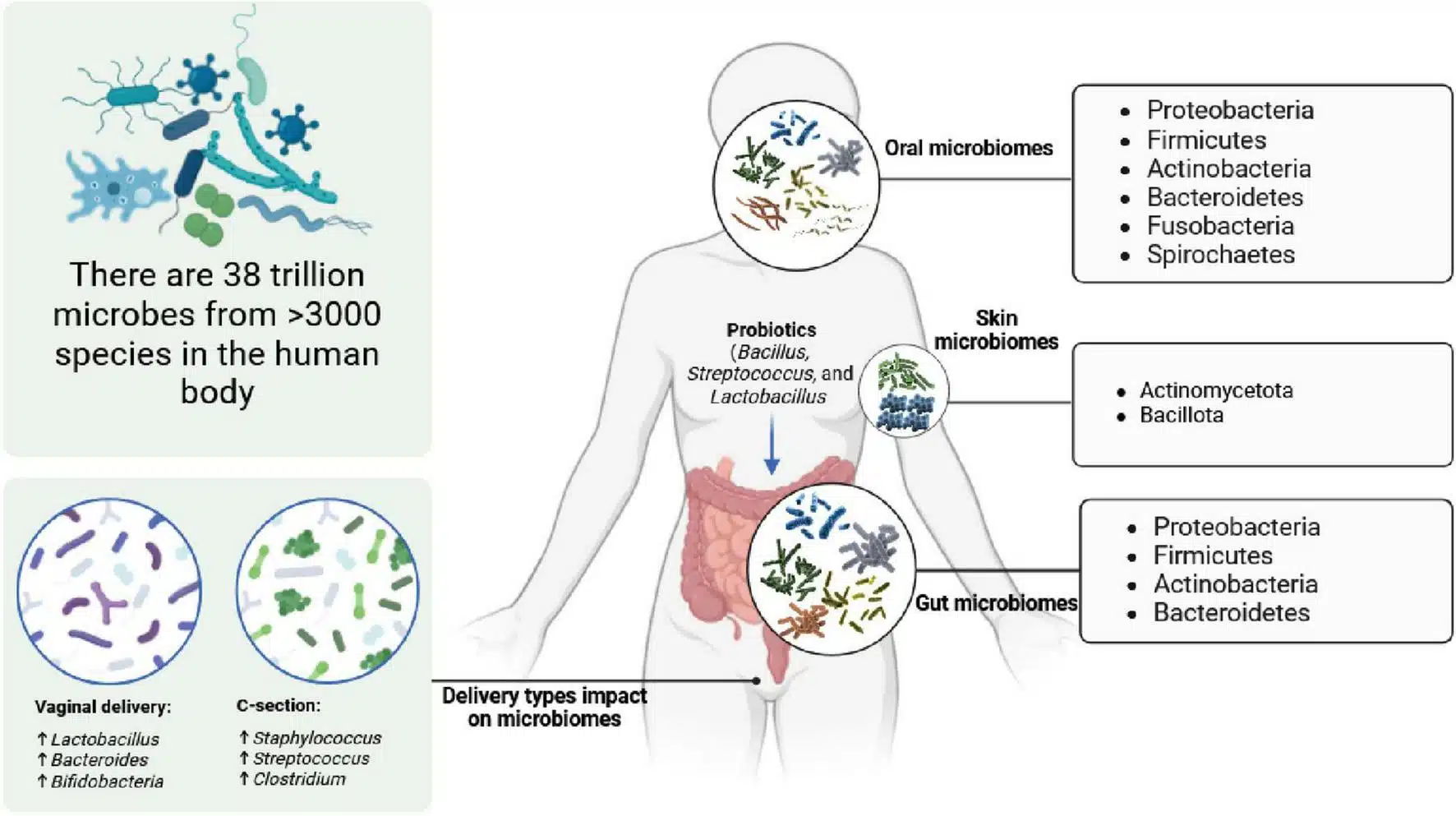
A groundbreaking investigation into the gut microbiomes of South Asian populations has revealed distinct differences from those in other regions of the world. Unique cultural, dietary, geographical, and lifestyle factors shape these microbiomes, laying the groundwork for future microbiome-based diagnostics and personalized healthcare specifically tailored for the region’s lifestyle disorders.
South Asia is experiencing swift urbanization alongside a troubling rise in obesity, diabetes, and other cardiometabolic diseases. Although urban living is known to impact gut microbiomes, research has lacked diversity, primarily focusing on European and North American populations. This study aims to fill that gap, as South Asia is home to nearly a quarter of the global population.
Groundbreaking Research Collaboration
Scientists from the Birbal Sahni Institute of Palaeosciences (BSIP), under the Department of Science and Technology (DST), teamed up with the University of Chicago and other institutions across India and Sri Lanka to explore how changing lifestyles influence gut microbiomes across varied cultural, dietary, and environmental contexts. Their goal was to create a comprehensive microbiome resource that truly represents South Asia’s diversity.
The team analyzed stool samples and corresponding dietary, lifestyle, and health details from 575 healthy adults from ten distinct communities across India and Sri Lanka. They employed the South Asian MicroBiome ARray (SAMBAR), a first-of-its-kind initiative launched in India, to study these microbiomes. Advanced DNA sequencing techniques were used to characterize the gut microbiomes and conduct thorough bioinformatic analysis.
Community-Specific Insights
The research unveiled that each community’s gut microbiome undergoes unique changes, reflecting local culture, diet, geography, and lifestyle. Researchers compared urban and rural individuals within each community, contrasting South Asian microbiomes with global datasets. This collaborative effort, led by Dr. Niraj Rai at BSIP, involved local field teams who engaged closely with communities to gather valuable biological samples and lifestyle data.
Throughout the study, a community-engaged approach was prioritized. Researchers not only collected data but also shared findings with the participating communities. The laboratory analyses and advanced computational methods helped in identifying community-specific microbial signatures as well as common microbiome shifts linked to urbanization and metabolic health.
Implications for Future Health Research
Published in the journal Gut Microbes, this study marks a significant contribution to global microbiome research by emphasizing the need to include underrepresented populations. This is the first comprehensive baseline gut microbiome data sourced from healthy individuals in India, with potential medical and evolutionary relevance.
By illustrating that different communities respond distinctly to urbanization, the research advocates for the customization of microbiome-based treatments to regional populations, rather than relying on methods developed exclusively from Western studies. The SAMBAR resource is poised to aid future investigations into diseases like diabetes, obesity, cardiovascular issues, and other lifestyle-related disorders, which are rapidly escalating across South Asia.
Observer Voice is the one stop site for National, International news, Sports, Editor’s Choice, Art/culture contents, Quotes and much more. We also cover historical contents. Historical contents includes World History, Indian History, and what happened today. The website also covers Entertainment across the India and World.
Follow Us on Twitter, Instagram, Facebook, & LinkedIn

