

Russia Enacts Aviation Fuel Export Ban Effective Until November 30

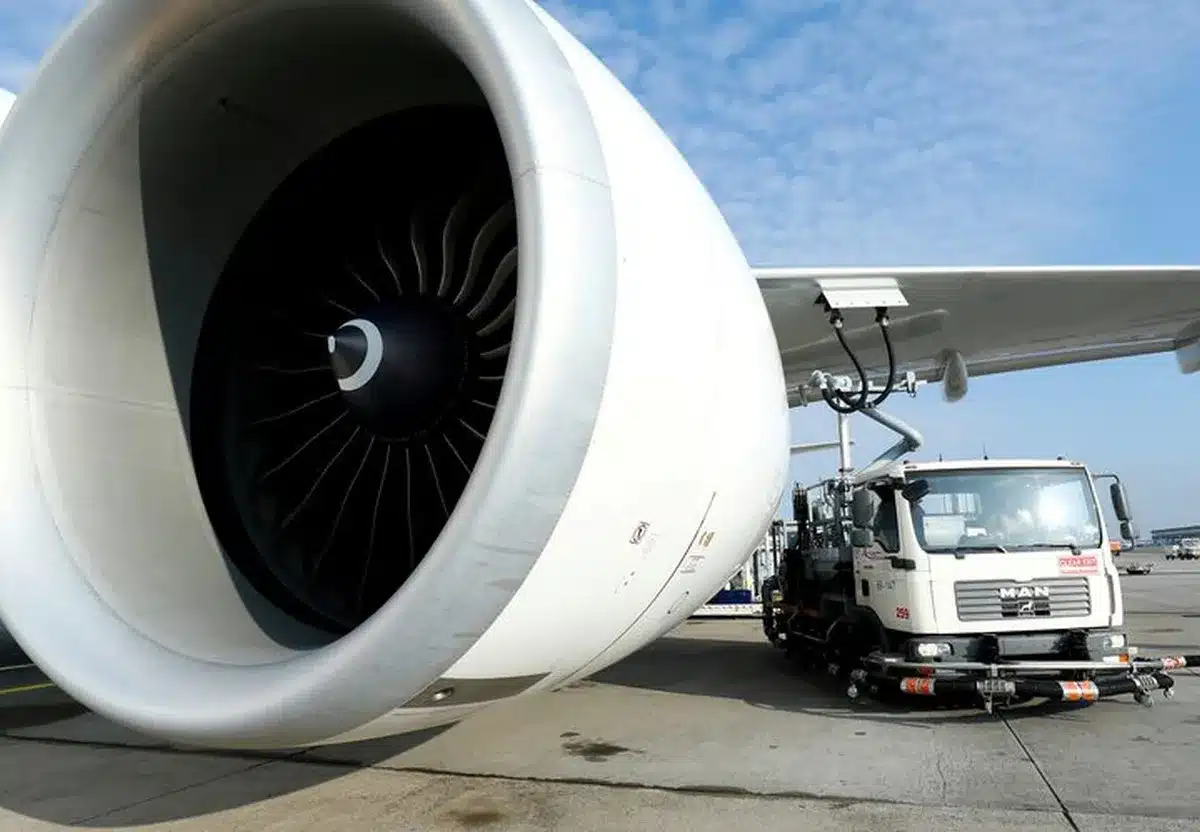
Russia has implemented a ban on aviation fuel exports until November 30, aiming to stabilize its domestic fuel market amid declining refinery output and increasing pressure on its energy infrastructure. The government announced that this decision is crucial for maintaining stability in the domestic fuel sector. The ban follows a series of Ukrainian attacks on Russian energy facilities, which have significantly impacted refinery operations and raised concerns about fuel supply adequacy during peak demand periods.
Government’s Rationale for the Ban
The Russian government has taken this step to ensure that domestic fuel supplies remain secure. Reports indicate that refinery output has dropped to multi-year lows, prompting officials to consider restrictions on diesel and jet fuel exports. Following a meeting led by Deputy Prime Minister Alexander Novak, oil companies were advised to limit their sales of fuel products to foreign markets. This decision reflects the urgent need to prioritize domestic consumption over exports, especially as the country faces heightened seasonal demand for fuel. The government’s focus on stabilizing the domestic market is a direct response to the challenges posed by ongoing conflicts affecting energy infrastructure.
Impact of Ukrainian Attacks on Energy Infrastructure
In recent months, Ukraine has intensified its attacks on Russian energy facilities, including oil refineries and pipeline systems. These strikes have severely disrupted Russia’s fuel-processing capabilities, leading to a significant decline in refinery operations. According to estimates from energy analytics firm OilX, Russia’s average refinery runs fell to approximately 4.69 million barrels per day in April, marking the lowest levels in over 16 years. This decline has raised alarms about the country’s ability to meet its domestic fuel needs, particularly during periods of increased demand. The government is now under pressure to ensure that sufficient fuel supplies are available for its citizens.
Potential Consequences for Global Fuel Markets
As one of the largest exporters of refined petroleum products, Russia’s decision to restrict fuel exports could have significant implications for global fuel markets. Analysts have warned that these restrictions may tighten international fuel supplies and lead to rising prices. The country sells a considerable portion of its diesel and aviation fuel to overseas markets, and any limitations on these exports could disrupt the balance of supply and demand globally. Deputy Prime Minister Novak has emphasized the importance of continuous monitoring of the domestic fuel market to ensure that the needs of the country are met while coordinating efforts between government agencies and energy companies.
Future Monitoring and Response Measures
In light of the current situation, Russian authorities are committed to closely monitoring fuel supplies and coordinating responses to any emerging challenges. Deputy Prime Minister Novak has highlighted the necessity of ongoing oversight of the domestic oil-product market. He stated that timely development of additional response measures will be essential to address any potential shortages. The government aims to maintain a stable fuel supply for its citizens while navigating the complexities of the international energy landscape.
Observer Voice is the one stop site for National, International news, Sports, Editor’s Choice, Art/culture contents, Quotes and much more. We also cover historical contents. Historical contents includes World History, Indian History, and what happened today. The website also covers Entertainment across the India and World.
Follow Us on Twitter, Instagram, Facebook, & LinkedIn

