

RBI Governor Highlights Five Risks for India Amid US-Iran War and Middle East Conflict

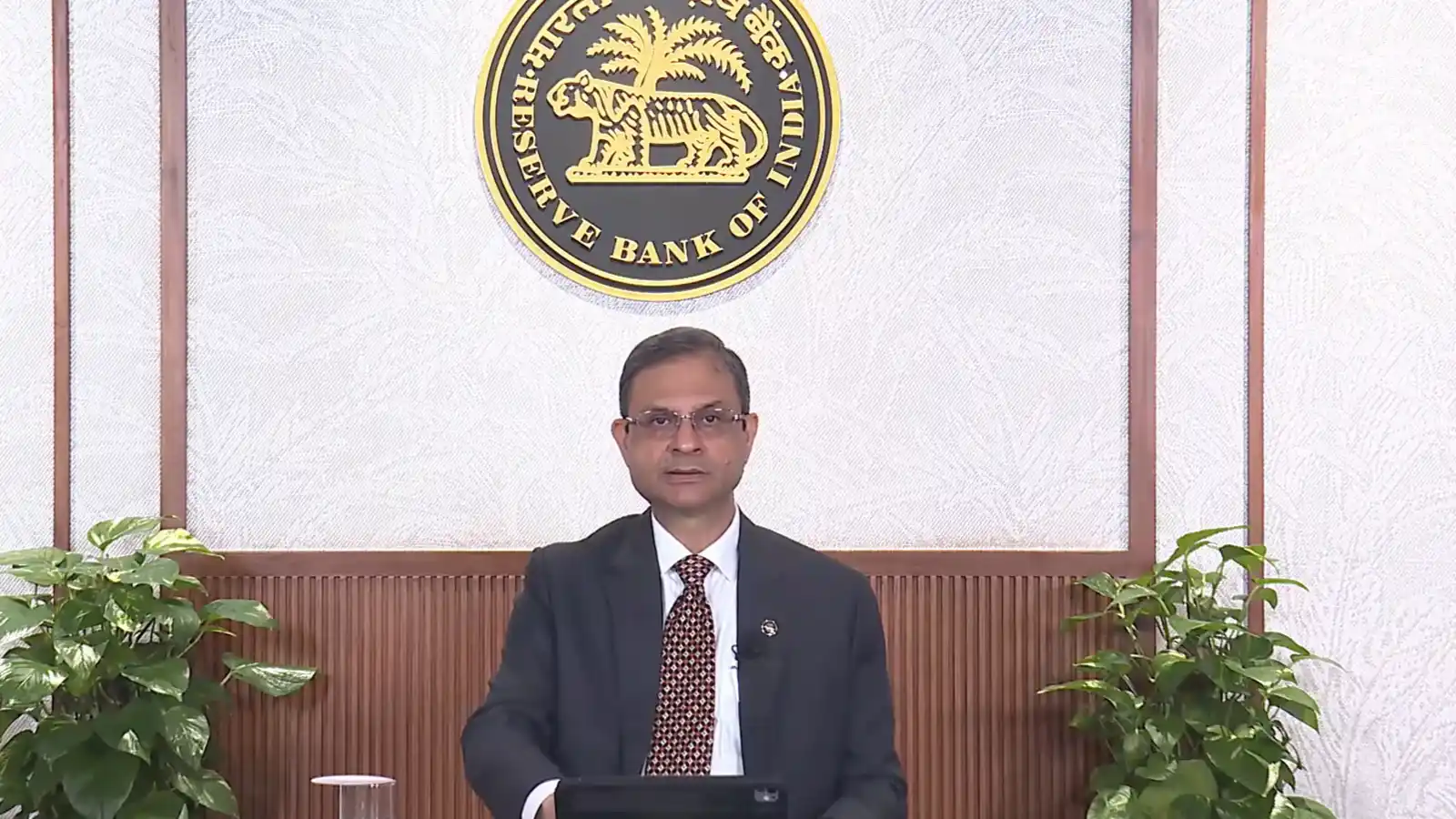
The Reserve Bank of India (RBI) has decided to maintain the current repo rate, reflecting a neutral stance amid growing concerns about the impact of the ongoing US-Iran conflict on the Indian economy. RBI Governor Sanjay Malhotra highlighted potential risks to GDP growth and inflation, emphasizing that while India’s economic fundamentals remain strong, the situation could worsen if the conflict escalates. He outlined five key ways the conflict could affect India’s economic landscape, indicating a cautious outlook for the future.
Impact of Elevated Crude Oil Prices
One of the primary concerns raised by Governor Malhotra is the potential for elevated crude oil prices to drive up imported inflation. This increase could widen the current account deficit, posing challenges for the Indian economy. As global oil prices rise due to the conflict, the cost of imports will likely surge, leading to higher prices for consumers and businesses alike. This scenario could strain household budgets and reduce disposable income, ultimately affecting overall economic activity.
Moreover, the rising costs of energy could have a cascading effect on various sectors, particularly those reliant on oil and gas. Industries such as transportation, manufacturing, and agriculture may face increased operational costs, which could lead to higher prices for goods and services. If these trends continue, they could dampen consumer spending and investment, further impacting economic growth.
Disruptions in Energy and Commodity Markets
The ongoing conflict has already begun to disrupt energy markets, which could have significant repercussions for India’s industrial and agricultural sectors. Governor Malhotra pointed out that disruptions in the supply of fertilizers and other essential commodities could adversely affect production capabilities. This could lead to reduced output in both industry and agriculture, ultimately impacting the services sector as well.
As supply chains become strained, businesses may struggle to obtain the necessary inputs for production. This situation could result in delays, increased costs, and a decline in overall productivity. The ripple effects of these disruptions could be felt across the economy, leading to a slowdown in growth and a potential rise in unemployment rates.
Heightened Uncertainty and Risk Aversion
The geopolitical tensions stemming from the US-Iran conflict have created an environment of heightened uncertainty. Governor Malhotra noted that this uncertainty could lead to increased risk aversion among investors and consumers. As individuals and businesses become more cautious, domestic liquidity conditions may tighten, which could stifle economic activity.
In such an environment, consumption and investment may decline as people prioritize saving over spending. This shift could further exacerbate the economic slowdown, leading to lower demand for goods and services. Additionally, the increased demand for safe-haven assets could divert funds away from productive investments, hindering growth prospects.
Global Growth Prospects and Remittance Flows
The ongoing conflict is also expected to dampen global growth prospects, which could have a direct impact on India’s external demand. Governor Malhotra highlighted that weaker global economic conditions might reduce remittance flows, a crucial source of income for many Indian households. A decline in remittances could further strain household budgets and limit consumer spending.
Furthermore, adverse spillovers from global financial markets could tighten domestic financial conditions, raising the cost of borrowing. This scenario could make it more challenging for businesses to secure financing for expansion or operational needs, potentially stalling growth initiatives. As the RBI continues to monitor these developments, the focus remains on maintaining stability and supporting economic resilience in the face of external challenges.
Observer Voice is the one stop site for National, International news, Sports, Editor’s Choice, Art/culture contents, Quotes and much more. We also cover historical contents. Historical contents includes World History, Indian History, and what happened today. The website also covers Entertainment across the India and World.
Follow Us on Twitter, Instagram, Facebook, & LinkedIn

