

PPP Airport Operators Urge Government to Ensure Airlines Pass Lower Aero Charges to Passengers While Increasing UDF from July

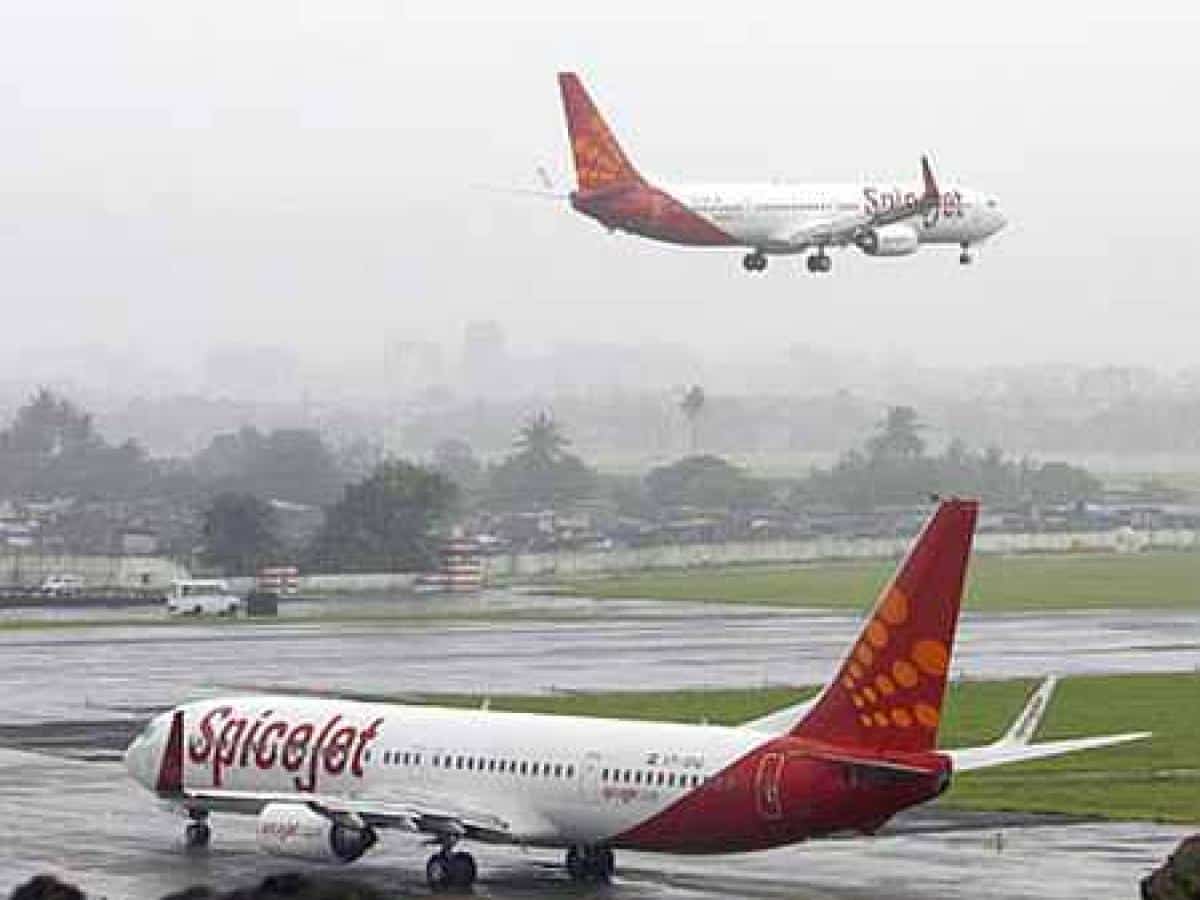
The Association of Private Airport Operators (APAO) has urged the Indian government to ensure that airlines pass on the benefits of reduced landing and parking charges to passengers. This request comes after the government mandated a temporary 25% reduction in these charges for three months, aimed at alleviating financial pressures on airlines due to rising operational costs. The APAO also expressed concerns about the potential increase in charges and fees once this relief period ends, which could further impact airport operators’ revenues.
APAO’s Concerns Over Financial Impact
The APAO, which represents 14 public-private partnership (PPP) airports across India, including major hubs in Delhi, Mumbai, and Bengaluru, has voiced significant concerns regarding the financial implications of the government’s recent directive. In a letter addressed to aviation secretary Samir Sinha, APAO Secretary-General Satyan Nayar highlighted that the revenue losses in the aviation sector extend beyond airlines. Airport operators are contractually obligated to share revenue with the Airports Authority of India (AAI), and the decline in passenger footfall has exacerbated their financial challenges. The letter emphasizes that the reduction in landing and parking charges, while beneficial for airlines, has adversely affected the cash flows of airport operators, who are also facing reduced non-aeronautical revenue.
Requests for Financial Relief Measures
In light of these challenges, the APAO has put forth several requests to the government. They are asking for the AAI to defer the payment of revenue shares or per passenger fees, equivalent to the projected reduction in landing and parking charges. Additionally, the APAO is advocating for an immediate increase in these charges once the relief period concludes. They also propose that any losses incurred from the reduced landing and parking fees be compensated through an increase in user development fees (UDF) for international passengers during the same timeframe. Furthermore, the APAO is requesting that the AAI not classify such deferments as defaults, which could further complicate the financial landscape for airport operators.
Ensuring Benefits Reach Passengers
The APAO’s letter underscores the importance of ensuring that the benefits of reduced landing and parking charges are passed on to passengers by airlines. However, they acknowledge the challenges posed by the largely unregulated pricing environment in which airlines operate. Without an enforceable mechanism to guarantee that these reductions translate into lower airfares, the intended public benefits may not be fully realized. This situation places the financial burden squarely on the airports, which are already grappling with decreased revenues and increased operational costs.
The Future of Airport Operations
As the three-month relief period approaches its end, the future of airport operations and the broader aviation sector remains uncertain. The APAO’s requests reflect a growing concern among airport operators about their sustainability in the face of ongoing financial pressures. With the aviation industry still recovering from the impacts of the pandemic and rising operational costs, the government’s response to these requests will be crucial in determining the financial health of both airlines and airport operators in the coming months. The outcome will not only affect the stakeholders involved but also the traveling public, who may feel the effects of these financial decisions in their ticket prices and overall travel experience.
Observer Voice is the one stop site for National, International news, Sports, Editor’s Choice, Art/culture contents, Quotes and much more. We also cover historical contents. Historical contents includes World History, Indian History, and what happened today. The website also covers Entertainment across the India and World.
Follow Us on Twitter, Instagram, Facebook, & LinkedIn

