

Oil Prices Rise as Vance Issues Warning to Israel Over Ceasefire Violations

Oil prices experienced renewed volatility following comments from U.S. Vice President JD Vance, which raised concerns about the stability of the Middle East peace deal. Brent crude fell 0.65% to $79.33 a barrel, after briefly reaching $79.85. Meanwhile, WTI crude decreased by 0.46% to $75.50. Vance’s remarks warned Israel against further military actions against Iran-backed Hezbollah in Lebanon, casting doubt on the durability of the peace accord.
Vance emphasized that Israel must consider alternative approaches to its national security challenges. He stated, “You can’t just kill your way out of solving every single national security problem that you have.” He also urged Israel to recognize the support provided by the United States over the years.
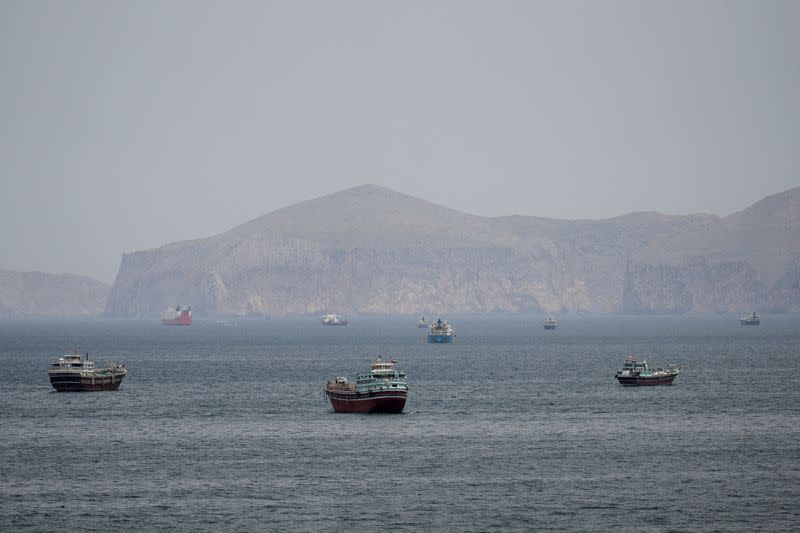
Earlier trading sessions saw Brent crude drop to its lowest level since March 2, while WTI crude hit its lowest since March 4. The market is now closely monitoring the Strait of Hormuz, a vital oil transit route responsible for 20% of global oil flow prior to the conflict. A 14-point memorandum of understanding between the U.S. and Iran allows toll-free passage through the Strait during a 60-day negotiation period, with a goal to restore traffic to full capacity within 30 days.
The agreement is binding for allies of both nations in the Middle East, particularly Lebanon, where Israel has been active against Hezbollah. However, several critical issues remain unresolved, including Iran’s nuclear program. The deal also necessitates a $300 billion plan from the U.S. and its partners to support Iran’s recovery.
Analysts expect oil flows through the Strait of Hormuz to gradually recover, but industry experts warn that prices may not see a significant decline due to rebounding demand and inventory replenishment. Goldman Sachs projects that Gulf oil exports could return to pre-war levels by the end of July, with crude production recovering by October. The bank estimates that achieving this would require a 13 million barrel-per-day increase in Hormuz flows, reaching about 70% of pre-war volumes.
In contrast, BNP Paribas does not foresee oil prices returning to pre-conflict levels, suggesting that $75 per barrel may serve as a “durable floor” due to ongoing supply losses and increasing demand. Prior to the conflict, Brent crude had traded in the $60-$70 per barrel range during the first two months of the year. Global oil supplies have remained under pressure since late February, following U.S. and Israeli strikes on Iran, which led to Iran restricting access to the Strait of Hormuz, impacting energy supplies worldwide.
Observer Voice is the one stop site for National, International news, Sports, Editor’s Choice, Art/culture contents, Quotes and much more. We also cover historical contents. Historical contents includes World History, Indian History, and what happened today. The website also covers Entertainment across the India and World.

