

New CAFE 3 Initiative by Centre Aims to Support Automotive Companies

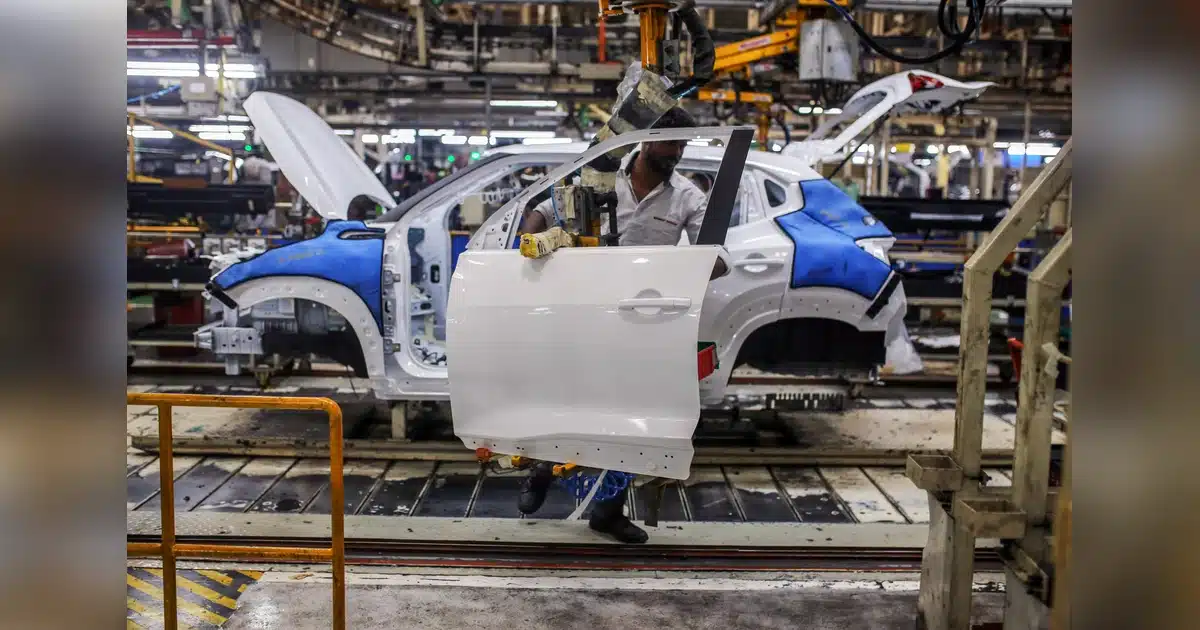
After extensive negotiations, the Indian auto industry has welcomed the latest draft of the Corporate Average Fuel Efficiency (CAFE 3) norms, set to take effect in April 2027. These new regulations aim to significantly reduce fuel consumption and carbon emissions across manufacturers’ vehicle portfolios. The updated framework introduces incentives for adopting advanced technologies and emphasizes the production of electric and hybrid vehicles, marking a pivotal shift in the industry’s approach to sustainability.
New Incentives for Fuel Efficiency
The CAFE 3 draft proposes a system where car manufacturers can earn higher credits for producing vehicles with improved fuel efficiency. Additionally, “super credits” will be awarded for the production of electric vehicles (EVs), hybrids, and flex-fuel vehicles that run on petrol or ethanol. This approach encourages automakers to innovate and invest in energy-efficient technologies. The draft outlines twelve specific technologies, including start-stop systems, six-speed or higher transmissions, and tyre pressure monitoring systems, which can provide manufacturers with discounts on compliance costs.
Moreover, carmakers will have the option to purchase credits from one another, allowing for greater flexibility in meeting compliance targets. This collaborative approach is designed to foster a more competitive and environmentally responsible automotive market.
Revised Compliance Timeline
Unlike the previous two versions of CAFE, which allowed manufacturers a five-year period to meet efficiency targets, CAFE 3 introduces a more stringent timeline. The new framework establishes a three-year block period followed by a two-year phase. While automakers can miss annual targets, they must achieve compliance at an aggregate level, with detailed records maintained in a passbook system.
The draft aims to reduce the efficiency score from 113.5 at the end of the 2026-27 fiscal year to 94.8 in 2027-28, when CAFE 3 is implemented. By the terminal year of 2031-32, the target efficiency score is set to reach 78.9, reflecting a significant commitment to improving fuel economy across the industry.
Projected Vehicle Mix and Market Changes
The Bureau of Energy Efficiency (BEE) anticipates notable shifts in the vehicle mix by 2031-32. According to the draft, compressed natural gas (CNG) vehicles are expected to dominate the market, increasing their share from 24% in the current financial year to 35%. Conversely, the share of petrol vehicles is projected to decline from 50% to 30.7%. Electric vehicles are also expected to see growth, rising from 4.5% to 11%, while strong hybrids are projected to account for 12% of the vehicle market by 2031-32.
The revised draft has introduced relaxations for small cars compared to earlier proposals, while tightening the credits available for hybrids and flex-fuel vehicles. This balancing act reflects the government’s aim to support decarbonization efforts while addressing the challenges faced by the automotive industry during this transition.
Industry Response and Future Outlook
Automakers have expressed optimism regarding the revised CAFE 3 framework, highlighting its potential to balance India’s decarbonization goals with the practical challenges of transitioning to greener technologies. Industry executives believe that the new regulations offer greater flexibility through credit trading, carry-forward provisions, and a more lenient penalty system for non-compliance.
This framework not only aligns with the government’s green initiatives but also provides a feasible path for manufacturers to adapt to the evolving landscape of the automotive industry. As the deadline approaches, stakeholders will be closely monitoring the implementation of these norms and their impact on the market.
Observer Voice is the one stop site for National, International news, Sports, Editor’s Choice, Art/culture contents, Quotes and much more. We also cover historical contents. Historical contents includes World History, Indian History, and what happened today. The website also covers Entertainment across the India and World.
Follow Us on Twitter, Instagram, Facebook, & LinkedIn

