

New Act Promises Wage Employment for Rural Households

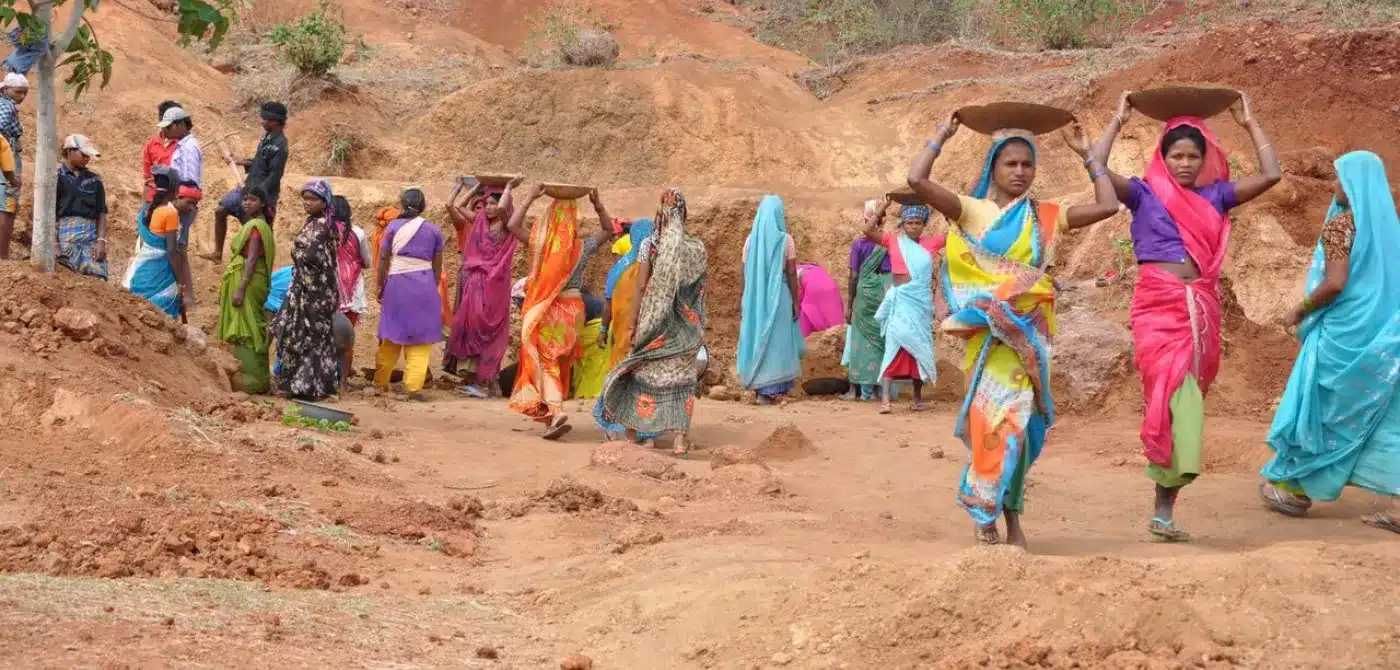
The Indian government has introduced a transformative new Act aimed at boosting rural employment and development, aligning with the national vision of Viksit Bharat by 2047. The Viksit Bharat Guarantee for Rozgar and Ajeevika Mission, also referred to as VB-G RAM G Act, 2025, guarantees rural households with at least 125 days of wage employment annually for those willing to engage in unskilled manual labor. This initiative seeks to enhance the livelihood security framework for rural communities.
Key Objectives of the VB-G RAM G Act
One of the cornerstone objectives of the Act is to facilitate empowerment and growth in rural areas. The Act aims to establish a public works framework that contributes to the Viksit Bharat National Rural Infrastructure Stack. This framework emphasizes water security through various water-related projects, the development of core rural infrastructure, and the establishment of livelihood-related facilities. Special attention will also be paid to initiatives that help communities better prepare for extreme weather events.
Supporting Agricultural Labor and Planning
To ensure sufficient labor availability during critical agricultural periods, the Act underscores a wage-employment guarantee that empowers the rural workforce. Additionally, it promotes integrated and thorough planning by institutionalizing the Viksit Gram Panchayat Plans. This planning framework is designed to meet the unique needs of each Gram Panchayat and is supported by geospatial data, digital infrastructure, and planning mechanisms at various governmental levels.
Modern Governance and Digital Ecosystem
The Act also places a strong emphasis on modernizing governance and enhancing accountability through a robust digital ecosystem. This includes biometric authentication, mobile-based worksite monitoring, and real-time management dashboards. The use of Artificial Intelligence will be critical in planning, audits, and reducing the risk of fraud, ensuring that the operations remain transparent and efficient.
Funding Structure and Implementation
Under the provisions of the new Act, projects will be identified through participatory planning processes, with necessary approvals from local Gram Sabhas. The types of work covered under the Act are categorized into four themes: water security projects, core rural infrastructure, livelihood infrastructure, and special disaster preparedness initiatives.
On the funding front, the Act stipulates a Centrally Sponsored Scheme, with a financial sharing arrangement of 90:10 between the Central Government and the States for the North-Eastern and Himalayan regions, while a 60:40 split applies to other States and Union Territories with legislatures. This information was confirmed by Minister of State for Rural Development, Shri Kamlesh Paswan, during a formal response in the Rajya Sabha today.
Observer Voice is the one stop site for National, International news, Sports, Editor’s Choice, Art/culture contents, Quotes and much more. We also cover historical contents. Historical contents includes World History, Indian History, and what happened today. The website also covers Entertainment across the India and World.

