

Mining Companies Advocate for Simplified Climate Regulations

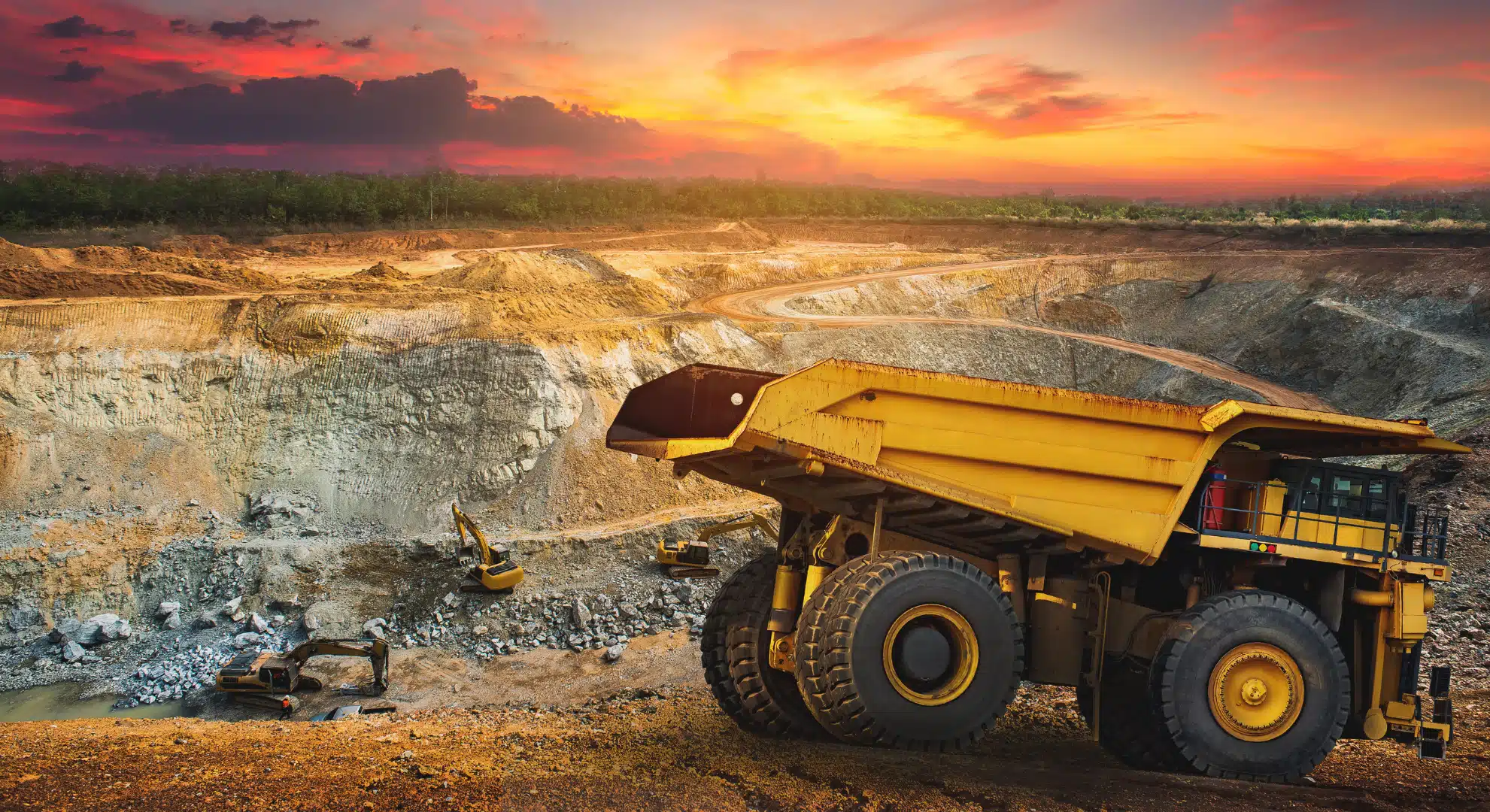
India’s mining and metals sector is facing significant challenges as rising exploration costs and the depletion of high-grade mineral reserves put pressure on the industry. Experts emphasize the need for a reevaluation of environmental compliance norms, particularly as the sector contributes up to 7% of global greenhouse gas emissions. With the focus shifting from emissions alone to the complexities of extracting lower-grade minerals, industry leaders are calling for a comprehensive review of the regulatory framework to ensure sustainable and viable mineral extraction practices.
Challenges in Mineral Extraction
The Federation of Indian Mineral Industries (FIMI) has highlighted the urgent need for a fresh approach to environmental compliance in the mining sector. As high-grade mineral reserves dwindle, the industry is grappling with the rising costs and complexities associated with extracting lower-grade and deeper mineral resources. Malu Kamble, Managing Director of KEP Engineering Services, pointed out that the real pressure point for the industry is resource depletion, which poses a significant challenge to sustainability. Pavan Kaushik, co-founder of Gurukshetra Consultancy, echoed this sentiment, stating that the depletion of high-grade deposits is altering both sustainability outcomes and the economics of extraction.
As the quality of minerals declines, more land must be disturbed, more water consumed, and more energy expended to extract the same value. This shift necessitates a reevaluation of existing sustainability systems, which, while structured under global frameworks, often operate within compliance boundaries that do not account for cumulative ecological stress or long-term resource depletion.
Need for Policy Changes
Experts are advocating for policy changes that move beyond static compliance thresholds to dynamic frameworks that recognize regional carrying capacities. Kaushik emphasized that water, land, and biodiversity management cannot be treated in isolation, especially as extraction intensity increases. He suggested that the focus for miners should shift from merely extracting more resources to extracting smarter, prioritizing value per tonne over volume per tonne. This approach would require a fundamental rethink of mine planning, waste utilization, and progressive closure strategies from the outset.
Coal India’s South Eastern Coalfields Ltd is already taking steps to address these challenges by implementing “calibrated reductions” in greenhouse gas emissions through solar projects, energy efficiency measures, and improved connectivity to mines. The emphasis on sustainability is becoming increasingly critical, with Kamble noting that effective water management will depend on advanced reuse and treatment systems. As wastewater generation rises, the industry must transition from viewing treatment as a compliance requirement to seeing it as a resource recovery opportunity.
Technological Innovations and Sustainability
The integration of technology and intent is vital for the future of mining and metals. Kamble stated that advanced treatment systems and zero liquid discharge practices are no longer optional in high-impact sectors. The benchmark for success will be how efficiently industries can close the loop between extraction, processing, and water reuse. This shift towards sustainability is essential, as mining remains a cornerstone for infrastructure, energy, and industrial growth, supporting millions of livelihoods.
Kaushik stressed that the focus should not solely be on compliance but on broader accountability. A mining operation may meet compliance standards within its boundaries while still contributing to regional ecological stress. For instance, achieving water neutrality at the site level is meaningless in a water-scarce region. Addressing the gap between compliance and its consequences is crucial for sustainable mining practices.
The Future of Mining in India
As one of the world’s largest producers of coal and iron ore, India has a unique opportunity to redefine its mining practices in harmony with nature. Kaushik emphasized that the future of mining will not be dictated by compliance alone but by how responsibly the industry manages resource depletion. Ignoring the realities of declining resources could lead to far greater costs in the future than addressing these issues today. The call for a comprehensive reevaluation of environmental compliance norms is not just about regulatory adherence; it is about ensuring a sustainable future for the mining sector and the communities it impacts.
Observer Voice is the one stop site for National, International news, Sports, Editor’s Choice, Art/culture contents, Quotes and much more. We also cover historical contents. Historical contents includes World History, Indian History, and what happened today. The website also covers Entertainment across the India and World.

