

Liver Cancer (Hepatocellular Carcinoma): Causes, Risk Factors, and Survival Rates

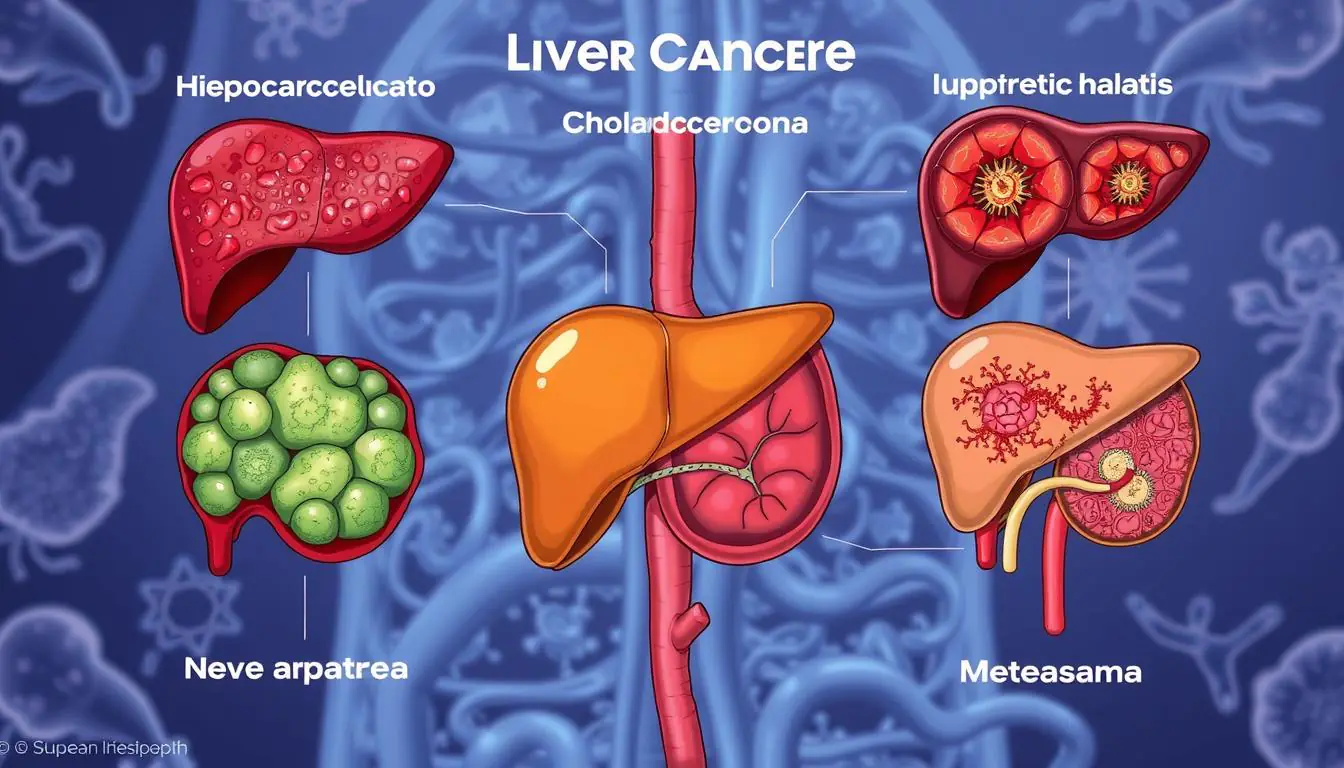
When Rajesh’s doctor showed him the CT scan revealing a mass in his liver, his first question was simple: “How did this happen?” At 58, Rajesh had never touched alcohol, didn’t know anyone with hepatitis, and considered himself reasonably healthy aside from his type 2 diabetes and weight struggles. His doctor explained that his non-alcoholic fatty liver disease—a condition Rajesh barely knew he had—had quietly progressed over years, creating the perfect environment for liver cancer to develop. Rajesh’s story reflects a changing reality: hepatocellular carcinoma is increasingly affecting people who never imagined they were at risk.
Liver cancer remains a global health challenge, with an estimated incidence of >1 million cases by 2025. Hepatocellular carcinoma (HCC) is the most common form of liver cancer and accounts for ~90% of cases Nature. Unlike many cancers where the causes remain mysterious, HCC has identifiable risk factors behind approximately 80% of cases—and virtually all share one common thread: chronic liver damage. Understanding what causes this damage, who’s at highest risk, and what survival looks like across different stages empowers people to protect themselves and make informed decisions if diagnosed.
What Is Hepatocellular Carcinoma And Why Does It Develop
Hepatocellular carcinoma is cancer that originates in hepatocytes, the main functional cells of the liver. The liver is the body’s largest internal organ, performing over 500 essential functions including filtering toxins from blood, producing proteins needed for blood clotting, storing energy as glycogen, and producing bile for digestion. When hepatocytes become cancerous, they multiply uncontrollably, forming tumors that interfere with these vital functions.
HCC almost never develops in a healthy liver. The overwhelming majority of cases arise from chronically damaged livers, where years or decades of ongoing injury create conditions favoring cancer development. The pathway typically follows a predictable sequence: chronic liver injury leads to inflammation, inflammation causes fibrosis (scarring), fibrosis progresses to cirrhosis (extensive scarring that distorts liver architecture), and cirrhosis creates an environment where cancer can emerge. However, this sequence isn’t absolute—some people develop HCC without cirrhosis, particularly those with certain viral infections or metabolic conditions.
Major risk factors for HCC include chronic alcohol consumption, hepatitis B, hepatitis C and non-alcoholic fatty liver disease. Other, less common causes are Wilson’s disease, hereditary hemochromatosis, alpha1-antitrypsin deficiency, primary biliary cirrhosis and autoimmune hepatitis PubMed Central. The specific cause matters because it influences treatment approaches, screening protocols, and prevention strategies. Understanding what’s damaging your liver is the first step toward protecting it.
Viral Hepatitis: The Global Leading Cause
Worldwide, viral hepatitis infections—specifically hepatitis B virus (HBV) and hepatitis C virus (HCV)—are the dominant causes of HCC. Worldwide, the most common risk factor for liver cancer is chronic (long-term) infection with hepatitis B virus (HBV) or hepatitis C virus (HCV). These infections lead to liver damage and are responsible for making liver cancer the most common cancer in many parts of the world American Cancer Society. These viruses spread through blood, sexual contact, or from mother to child during childbirth. Both cause chronic inflammation that damages the liver over decades.
HBV carries particularly high cancer risk in Asia and sub-Saharan Africa, where the virus is endemic and often transmitted from infected mothers to babies during birth. Infants infected with HBV have up to 90% chance of developing chronic infection, creating lifelong elevated cancer risk. Adults who contract HBV usually clear it naturally within months, but about five to ten percent develop chronic infection. Chronic HBV can cause HCC even without cirrhosis—the virus integrates into liver cell DNA and directly promotes cancer development through multiple mechanisms.
HCV follows different patterns. Most people infected with HCV—about 75-85%—develop chronic infection because the virus is remarkably good at evading the immune system. Unlike HBV, HCV almost always requires cirrhosis to develop before HCC emerges. The good news is that HCV is now curable with direct-acting antiviral medications taken for 8-12 weeks, with cure rates exceeding 95%. However, even after viral cure, people who developed cirrhosis remain at elevated HCC risk and need ongoing surveillance.
Geographic variation in HCC largely reflects hepatitis prevalence. In East Asia and sub-Saharan Africa where HBV is endemic, HCC rates exceed 20 cases per 100,000 people. In North America, Europe, and Japan where HCV has been more prevalent, rates are lower but rising due to other causes. Vaccination against HBV, which became widely available in the 1980s, is dramatically reducing HCC incidence in countries with universal infant vaccination programs—proof that preventing the underlying cause prevents the cancer.
The Rising Threat: Metabolic Liver Disease
While viral hepatitis dominates globally, a different culprit is driving HCC increases in wealthy nations: metabolic dysfunction-associated steatotic liver disease (MASLD), formerly called non-alcoholic fatty liver disease (NAFLD). The incidence of hepatocellular carcinoma is increasing in the U.S., primarily driven by what we used to call nonalcoholic fatty liver disease Mayo Clinic. This condition, characterized by fat accumulation in the liver despite little or no alcohol consumption, affects an estimated 25-30% of adults in Western countries.
MASLD exists on a spectrum. Simple steatosis means fat deposits without significant inflammation—relatively benign and often reversible with lifestyle changes. Metabolic dysfunction-associated steatohepatitis (MASH, formerly NASH) represents the aggressive form where fat triggers inflammation and liver cell damage. About 20% of people with simple steatosis progress to MASH, and about 20% of those with MASH eventually develop cirrhosis. Once cirrhosis develops, HCC risk increases substantially.
What makes MASLD particularly insidious is its silence. Most people have no symptoms until advanced liver disease develops. A person might discover they have fatty liver incidentally during imaging for another reason, or might learn they have advanced fibrosis only when cirrhosis complications emerge. Metabolic dysfunction-associated steatotic liver disease (MASLD) is the accumulation of fat in the liver, which can cause inflammation that leads to scarring. At its most severe stage, MASLD can lead to cirrhosis. Fat can build up in the liver due to alcohol use, obesity, type 2 diabetes, hypertension, high cholesterol, and other diseases and conditions that affect metabolism Mayo Clinic.
The connection between metabolic syndrome—the cluster of obesity, type 2 diabetes, high blood pressure, and abnormal cholesterol—and liver cancer is now clear. Type 2 diabetes itself increases HCC risk independent of other factors. Obesity promotes liver fat accumulation and inflammation through multiple mechanisms including insulin resistance, oxidative stress, and production of inflammatory molecules by fat tissue. Worryingly, MASLD-related HCC sometimes develops without cirrhosis, meaning people without obvious liver disease can develop cancer.
Alcohol: Quantity And Duration Both Matter
Alcohol-related liver disease remains a major HCC driver despite declining rates in some populations. Alcohol damages the liver through multiple pathways: it’s metabolized into toxic compounds that directly injure liver cells, it promotes fat accumulation, it triggers inflammation, and it impairs the liver’s ability to repair itself. Chronic heavy drinking causes progressive liver damage moving from fatty liver to alcoholic hepatitis to cirrhosis, with HCC risk increasing as damage accumulates.
How much alcohol is too much? For moderate alcohol intake, the risk is low, but it’s not zero. The Centers for Disease Control and Prevention (CDC) defines moderate alcohol intake as two standard drinks or less in a day for men and one standard drink or less in a day for women Mayo Clinic. Heavy drinking—typically defined as consuming more than these moderate limits regularly—substantially increases HCC risk. The risk escalates with both quantity and duration: drinking heavily for decades carries much higher risk than moderate drinking.
Importantly, alcohol interacts synergistically with other risk factors. Someone with chronic HBV or HCV who drinks heavily faces far higher HCC risk than someone with viral hepatitis alone or heavy drinking alone. This multiplicative effect means people with known liver disease should minimize or eliminate alcohol consumption. Even moderate drinking may accelerate liver damage in people with existing liver disease.
The liver’s remarkable regenerative capacity means damage from alcohol is potentially reversible if drinking stops before cirrhosis develops. Many people who achieve sustained abstinence see liver function improve and fibrosis regress. However, once cirrhosis establishes, HCC risk persists even with abstinence, though it’s lower than with continued drinking.
Other Important Risk Factors
Several additional factors influence HCC risk, though they account for smaller proportions of cases than viral hepatitis, MASLD, and alcohol. Aflatoxin B1, a toxin produced by molds that grow on improperly stored grains and nuts in hot, humid climates, is a significant risk factor in parts of Africa and Asia. The risk of developing liver cancer may be increased by eating foods that contain aflatoxin B1 (poison from a fungus that can grow on foods, such as corn and nuts, that have been stored in hot, humid places) NCI. Aflatoxin causes specific DNA mutations in liver cells and works synergistically with HBV to dramatically increase cancer risk.
Genetic and metabolic disorders also elevate risk. Hereditary hemochromatosis, where the body absorbs too much iron from food, causes iron overload that damages the liver. Wilson’s disease, characterized by copper accumulation in the liver, similarly promotes damage and fibrosis. Alpha-1 antitrypsin deficiency, an inherited disorder affecting liver and lungs, increases cirrhosis and HCC risk. Autoimmune hepatitis, where the immune system attacks liver cells, can progress to cirrhosis and cancer if inadequately controlled.
Cigarette smoking independently increases HCC risk by about 50%, with risk correlating to both number of cigarettes smoked daily and years of smoking. The mechanisms aren’t fully understood but likely involve carcinogens in tobacco smoke and smoking’s effects on metabolism and immune function. Gender matters too—men develop HCC two to three times more often than women across all populations, possibly due to hormonal differences, higher rates of risk behaviors, or biological factors affecting cancer susceptibility.
Understanding Survival: Why Stage Matters Enormously
HCC prognosis varies dramatically depending on when it’s detected. Relative survival increased over time for both pediatric and adult ages and was higher for children and adolescents (46.4%, 95%CI:42.4–50.3) than adults (20.7%, 95%CI:20.5–20.9) overall and when stratified by stage nih. This overall five-year survival of approximately 18-21% reflects the reality that most HCC is diagnosed at advanced stages when curative treatment isn’t possible.
However, stage-specific survival tells a more nuanced story. The Barcelona Clinic Liver Cancer (BCLC) staging system, the most widely used for treatment planning, divides HCC into stages 0 through D based on tumor characteristics, liver function, and patient performance status. In Barcelona stage 0 (a single tumor measuring less than 2 cm, performance status 0, and Child-Pugh stage A), the 5-year survival rate is 70% to 90% with treatment Rare Disease Advisor. This very early stage, detected only through surveillance programs, offers excellent outcomes with surgical resection or ablation.
Stage A (early stage) includes single tumors of any size or up to three tumors smaller than 3 cm in patients with good liver function. In Barcelona stage A (a single tumour of any size or up to 3 tumors smaller than 3 cm in diameter, performance status 0, and Child-Pugh stage is A or B), the 5-year survival rate is 50% to 70% with treatment Rare Disease Advisor. Treatment options include surgical resection, liver transplantation, or local ablation therapies. For people with early-stage liver cancers who have a liver transplant, the 5-year survival rate is in the range of 60% to 70% American Cancer Society.
Stage B (intermediate) involves multiple tumors without vascular invasion or metastases in patients still functioning well. Treatment typically involves locoregional therapies like transarterial chemoembolization (TACE), where chemotherapy is delivered directly to liver tumors through their blood supply. Median survival extends beyond two years with treatment. Stage C (advanced) includes tumors with vascular invasion, lymph node involvement, or distant metastases. Systemic therapies—targeted drugs and immunotherapy—are the mainstays, with median survival measured in months rather than years.
Stage D (end-stage) involves patients with very poor liver function or performance status for whom only supportive care is appropriate. The contrast between 70-90% five-year survival in very early stage versus months in advanced stage underscores why early detection matters profoundly. Recurrence rates are high in this setting, with a 50–70% recurrence after 5 years PubMed Central, which is why even after successful treatment, ongoing surveillance remains critical.
Who Needs Screening And How It Works
The stark survival differences between early and late-stage HCC justify surveillance programs for high-risk individuals. Screening targets people with cirrhosis regardless of cause, chronic HBV carriers (even without cirrhosis), and people with advanced fibrosis from any cause. The standard approach combines ultrasound imaging every six months with measurement of alpha-fetoprotein (AFP), a blood marker often elevated in HCC though not in all cases.
Ultrasound can detect tumors as small as 1-2 cm, though detection rates vary with operator skill, patient body habitus, and underlying liver texture. When suspicious lesions are found, contrast-enhanced CT or MRI provides detailed characterization. HCC has characteristic imaging patterns—arterial enhancement (bright on arterial phase) with washout (darker on delayed phase)—that often allow diagnosis without biopsy. Advanced imaging techniques including MRI with liver-specific contrast agents achieve diagnostic accuracy exceeding 90% for lesions above 1 cm.
Who benefits from screening? Anyone with cirrhosis from any cause should undergo regular surveillance. People with chronic HBV infection should begin surveillance at age 40 (earlier if they have family history or African ancestry, where HCC occurs younger). Those with advanced fibrosis from MASLD, particularly if they have diabetes or are over 50, should discuss surveillance with their doctors. The goal is detecting HCC at stages amenable to curative treatment, fundamentally changing prognosis from grim to good.
Prevention: What You Can Actually Control
Unlike many cancers where prevention strategies remain speculative, HCC prevention often comes down to preventing or treating the underlying liver disease. HBV vaccination, given universally to infants in most countries since the 1990s, will eventually eliminate HBV-related HCC in vaccinated populations—one of medicine’s great cancer prevention success stories. Adults at risk who weren’t vaccinated should get the vaccine series. Avoiding HBV transmission through safe sex practices, not sharing needles, and universal precautions in healthcare settings prevents new infections.
HCV, though unvaccinated against, is now curable. Anyone at risk—including baby boomers (born 1945-1965 who have higher HCV prevalence), people who ever injected drugs, received blood transfusions before 1992, or had other exposures—should get tested. Curing HCV infection reduces but doesn’t eliminate HCC risk, particularly in those who already developed cirrhosis, highlighting the importance of treating infection before advanced disease develops.
For MASLD prevention and management, lifestyle modifications are foundational. Weight loss of 5-10% body weight can reduce liver fat and inflammation, potentially reversing early disease. Regular physical activity improves insulin sensitivity and reduces fat accumulation. Dietary changes—minimizing added sugars, increasing fiber, choosing healthier fats—support liver health. Controlling diabetes, high blood pressure, and cholesterol through medication when needed protects the liver alongside other organs.
Alcohol moderation or abstinence, depending on existing liver disease status, prevents alcohol-related HCC. For people without liver disease, staying within moderate drinking guidelines minimizes risk. For those with any liver disease, abstinence is ideal. Avoiding aflatoxin exposure in regions where it’s common means properly storing grains and nuts and discarding moldy foods. Not smoking eliminates tobacco-related HCC risk along with numerous other health benefits.
Making Sense Of Your Risk
Understanding personal HCC risk requires honest assessment of liver health status. Do you have chronic HBV or HCV? Have you had imaging showing fatty liver or fibrosis? Do you drink heavily or have diabetes and obesity? Have you ever injected drugs or had tattoos in unregulated settings? Family history of liver disease or HCC adds risk. These aren’t just academic questions—they determine whether you should undergo surveillance and what preventive steps to take.
Many people don’t know they have chronic liver disease until it’s advanced. Fatty liver is often discovered incidentally. Chronic HBV or HCV may cause no symptoms for decades. This is why screening matters: one-time HCV testing for at-risk populations, HBV testing for people from endemic regions or with risk factors, and liver enzyme testing when routine bloodwork shows abnormalities. Once liver disease is identified, specialists can stage its severity, recommend surveillance, and implement treatments that slow or reverse damage.
The expanding treatment landscape for advanced HCC offers hope even for late-stage disease. Targeted therapies that block specific molecules driving cancer growth, immune checkpoint inhibitors that unleash the immune system against cancer, and combinations of these approaches have improved survival and quality of life in advanced disease. Clinical trials continue testing new drugs and combinations, making enrollment in trials a reasonable consideration for eligible patients.
Frequently Asked Questions
Q1: Can I get liver cancer if I don’t drink alcohol and don’t have hepatitis? Yes, absolutely. While viral hepatitis and alcohol are major risk factors globally, MASLD (metabolic dysfunction-associated steatotic liver disease) is becoming the leading cause of HCC in Western countries. This affects people with obesity, type 2 diabetes, and metabolic syndrome even without alcohol use. Other rare causes include genetic disorders, autoimmune liver disease, and environmental toxins. Anyone with chronic liver disease from any cause faces elevated HCC risk.
Q2: I had hepatitis C but was cured with antiviral treatment. Am I still at risk for liver cancer? Your risk is significantly reduced compared to having active HCV infection, but not eliminated entirely—especially if you developed cirrhosis before viral cure. The virus itself is gone, but if cirrhosis is present, the scarred liver architecture remains prone to cancer development. If you had cirrhosis, you need ongoing HCC surveillance with ultrasound and AFP every six months indefinitely. If you didn’t have cirrhosis, your risk is much lower but discuss appropriate follow-up with your doctor.
Q3: What are the early symptoms of liver cancer that should prompt me to see a doctor? Unfortunately, early HCC typically causes no symptoms, which is why surveillance in high-risk people is so important. When symptoms appear, they often signal advanced disease: unexplained weight loss, loss of appetite, upper abdominal pain or swelling, nausea, extreme fatigue, jaundice (yellowing of skin or eyes), or itchy skin. However, these symptoms are non-specific and can result from cirrhosis itself or other conditions. Anyone with known liver disease experiencing new symptoms should contact their doctor promptly.
Q4: Is liver cancer hereditary? Should my children be worried if I’m diagnosed? HCC itself isn’t directly inherited, but some risk factors have genetic components. Hemochromatosis, Wilson’s disease, and alpha-1 antitrypsin deficiency are inherited disorders that increase HCC risk. HBV can transmit from mother to infant during childbirth, though this is preventable with vaccination and antiviral treatment. Having a family history of HCC may increase risk through shared genetic susceptibility or shared exposures. Your children should discuss appropriate screening—particularly HBV vaccination and testing—with their doctors.
Q5: If detected early, is liver cancer curable? Yes, very early-stage HCC (stage 0 and A) is potentially curable with five-year survival rates of 50-90% depending on exact stage and treatment. Curative options include surgical resection (removing the tumor), liver transplantation (replacing the entire diseased liver), and ablation therapies (destroying tumors with heat or cold). However, recurrence rates are significant even after curative treatment, requiring ongoing surveillance. This is why catching HCC early through screening in high-risk individuals matters so much—it transforms a disease with grim prognosis into one with substantial cure rates.
Disclaimer
This article adapts publicly available information from reputable medical sources and research institutions. This content is for informational and educational purposes only and does not constitute medical advice. ObserverVoice.com is a news and information platform — not a healthcare provider. Decisions about liver cancer screening, diagnosis, and treatment should be made in consultation with qualified hepatologists, oncologists, and other healthcare professionals who can evaluate your individual risk factors, liver function, overall health status, and specific circumstances. If you have chronic liver disease, viral hepatitis, or other risk factors for liver cancer, please work with your healthcare team to develop an appropriate surveillance and prevention plan.
References
- Nature Reviews Disease Primers. Hepatocellular carcinoma. https://www.nature.com/articles/s41572-020-00240-3
- American Cancer Society. Liver Cancer Risk Factors. https://www.cancer.org/cancer/types/liver-cancer/causes-risks-prevention/risk-factors.html
- National Cancer Institute. Liver Cancer Causes, Risk Factors, and Prevention. https://www.cancer.gov/types/liver/what-is-liver-cancer/causes-risk-factors
- Mayo Clinic Comprehensive Cancer Center. Liver cancer rates are increasing rapidly, mainly due to liver damage. https://cancerblog.mayoclinic.org/2024/12/05/liver-cancer-rates-are-increasing-rapidly-mainly-due-to-liver-damage/
- American Cancer Society. Liver Cancer Survival Rates. https://www.cancer.org/cancer/types/liver-cancer/detection-diagnosis-staging/survival-rates.html
Observer Voice is the one stop site for National, International news, Sports, Editor’s Choice, Art/culture contents, Quotes and much more. We also cover historical contents. Historical contents includes World History, Indian History, and what happened today. The website also covers Entertainment across the India and World.

