

India-US Tariff Agreement: Strengthening India’s GCC Ecosystem and Its Impact on Tech Trends

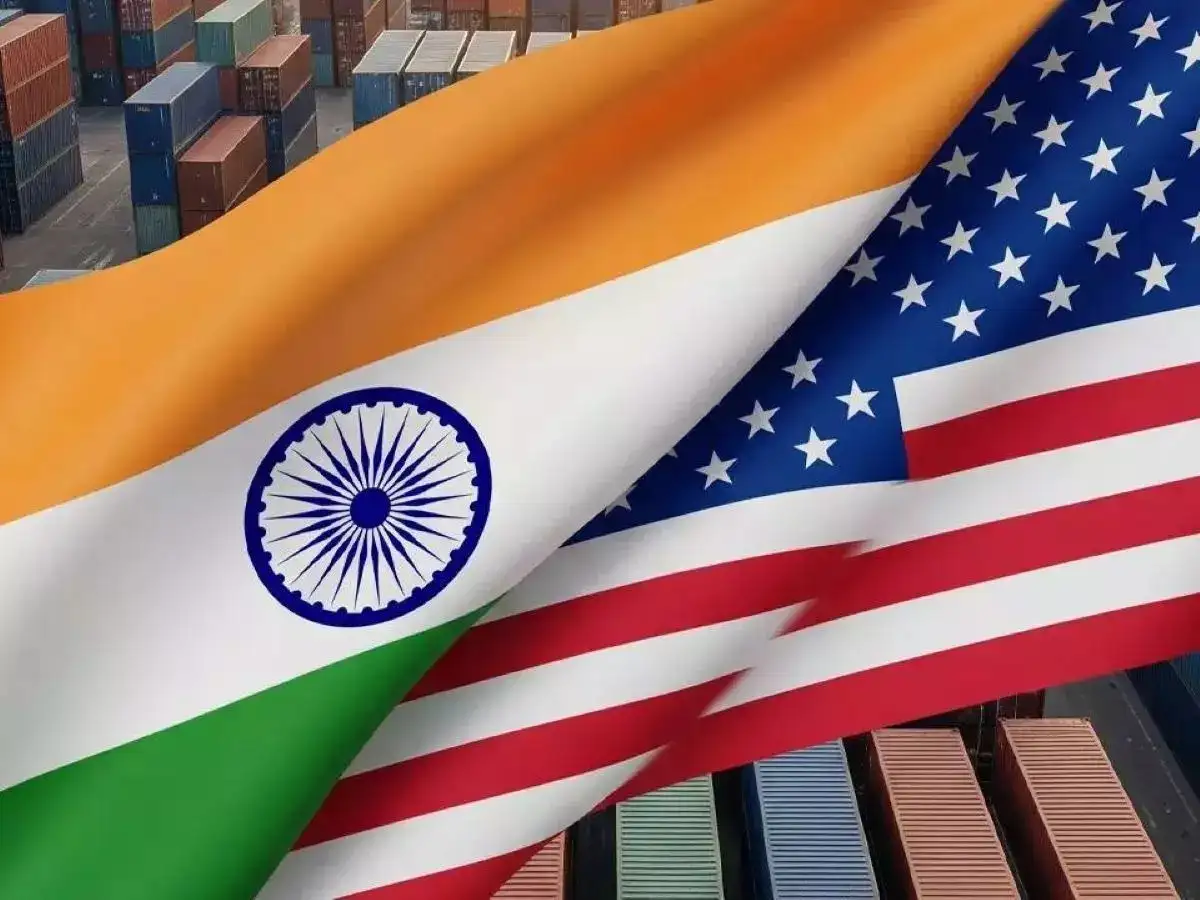
The recent tariff agreement between India and the United States is being hailed as a transformative moment for India’s technology sector. This deal is not merely a routine trade adjustment; it represents a strategic shift that alleviates long-standing uncertainties and enhances India’s position within the global technology landscape. Industry experts believe that while the immediate financial impact may be limited, the agreement fosters a more favorable sentiment and boosts long-term investment confidence, positioning India as a vital technology partner for the U.S.
Positive Impact on IT Services and Global Capability Centres
One of the most immediate benefits of the tariff deal is the alleviation of concerns regarding potential restrictions on outsourcing to India. Over the past year, uncertainties surrounding trade relations had made U.S. companies hesitant to expand their technology contracts or invest in Indian IT firms and Global Capability Centres (GCCs). Analysts indicate that this agreement provides much-needed clarity for U.S. corporations that depend heavily on Indian technology talent for software development, engineering services, and digital transformation projects. Although the deal may not lead to an instant surge in revenues for Indian IT companies, it removes a significant barrier that has been affecting decision-making in global boardrooms.
The improved sentiment is particularly crucial for India’s burgeoning GCC ecosystem, which boasts over 1,600 centres operating within the country. The reduction in trade-related friction is expected to encourage further expansion into higher-value areas such as product engineering, artificial intelligence (AI) development, cybersecurity, and platform modernization. This shift not only enhances the operational landscape for Indian firms but also positions them for more strategic engagements with U.S. companies.
Transitioning from Cost Arbitrage to Strategic Partnership
Beyond the immediate benefits, the tariff deal signifies a longer-term shift in how India is perceived as a technology partner. Experts note that improved trade relations bolster India’s reputation as a reliable collaborator for long-term technology initiatives, especially as U.S. companies reassess their global supply chains amid rising geopolitical risks. This transition is expected to facilitate deeper cooperation in areas such as cloud transformation, AI deployment, and digital engineering, where Indian firms are increasingly taking on design-led roles rather than merely executing tasks.
This repositioning aligns with broader bilateral initiatives, such as the Initiative on Critical and Emerging Technologies (iCET), aimed at enhancing cooperation in advanced technologies like AI, quantum computing, and semiconductors. As India strengthens its role as a strategic partner, it is likely to attract more significant investments and collaborations in these critical areas.
Boosting the Electronics and Semiconductor Ecosystem
The tariff agreement is anticipated to yield tangible benefits for India’s electronics and semiconductor manufacturing sectors. Industry experts believe that the deal will improve market access and reduce cost uncertainties for Indian manufacturers, making the country a more attractive destination for high-tech manufacturing and design investments. Lower trade barriers and enhanced cooperation with the U.S. could accelerate India’s ambitions in semiconductor design, chip packaging, and electronics manufacturing services.
Analysts suggest that easier access to advanced equipment, technology, and capital from the U.S. will be vital for India as it aims to establish a resilient semiconductor ecosystem over the next decade. Coupled with domestic incentive schemes, the tariff agreement strengthens India’s position within trusted global supply chains, particularly for companies seeking alternatives to concentrated manufacturing bases in other parts of Asia.
Implications for Data Centers, Cloud, and AI
The agreement is also expected to bolster India’s expanding data center and cloud ecosystem. By reinforcing technology ties between India and the U.S., the deal encourages ongoing collaboration between U.S. cloud service providers and Indian partners, alleviating concerns about technology stack fragmentation. This collaboration has positive implications for Indian technology firms involved in data center construction, cloud integration, AI services, and managed infrastructure.
As global adoption of AI accelerates, India’s role as a hub for the development, deployment, and operation of AI-driven solutions is likely to expand. However, analysts caution against overestimating immediate gains, noting that core IT services exports are influenced more by enterprise tech spending cycles, visa policies, and regulatory frameworks than by tariffs. While the short-term financial impact on IT companies may be limited, the long-term implications are significant, as reduced trade friction fosters strategic confidence and encourages investment decisions.
The India-U.S. tariff deal represents a foundational shift for the technology sector, easing uncertainties and enhancing bilateral trust. By supporting deeper collaboration across IT services, GCCs, semiconductors, and advanced technologies, the agreement positions India as a critical player in the global technology ecosystem. The true benefits for India’s tech industry are expected to unfold over time, leading to larger, more strategic engagements and a more prominent role in shaping the future of global technology supply chains.
Observer Voice is the one stop site for National, International news, Sports, Editor’s Choice, Art/culture contents, Quotes and much more. We also cover historical contents. Historical contents includes World History, Indian History, and what happened today. The website also covers Entertainment across the India and World.

