

India to Prioritize National Interests in Future Free Trade Agreement Negotiations

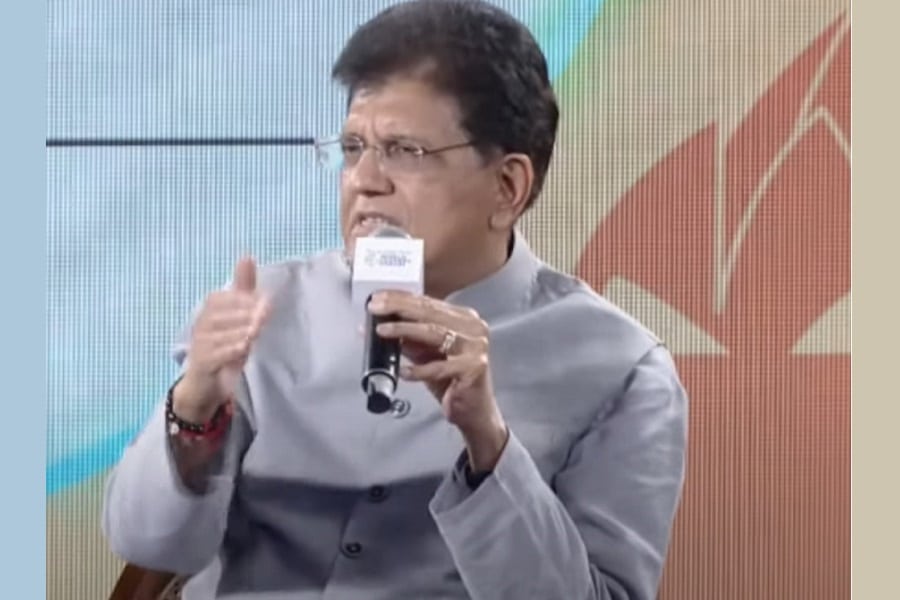
In a significant shift in trade policy, India is moving forward with its Free Trade Agreements (FTAs) with the European Union (EU) and other nations, marking a departure from previous hesitations regarding tariff reductions on various goods. This change is seen as a crucial step towards India’s goal of becoming a developed nation, as it opens up new markets and opportunities for investment. The government emphasizes that this approach will not compromise national interests while fostering economic growth and job creation.
Strategic Trade Negotiations
India’s recent negotiations with the EU reflect a strategic pivot in its trade policy. Historically, the country had been reluctant to lower tariffs on certain products, including automobiles and agricultural goods. However, the current administration has recognized the importance of engaging with global markets to stimulate economic growth. The EU represents a vast market, and the government believes that opening up trade will lead to substantial job creation and investment opportunities. The negotiations have included specific quotas and minimum import prices for products like apples, ensuring that domestic growers are protected while still allowing for imports. This balanced approach aims to create a win-win situation for both Indian consumers and producers.
The government has also highlighted the failures of previous administrations in securing beneficial trade agreements. The previous Congress-led UPA government is criticized for missing opportunities that could have significantly boosted India’s economy. The current administration is determined to avoid such pitfalls by pursuing FTAs that align with India’s economic interests and promote growth.
Focus on National Interests
As India continues to negotiate various FTAs, the government has made it clear that each agreement will be evaluated on its own merits. The focus remains on creating favorable conditions for Indian businesses and workers. Key sectors such as cereals, pulses, and dairy are identified as no-go areas in these negotiations, ensuring that sensitive domestic industries are not adversely affected.
The government is also optimistic about the potential impact of the Carbon Border Adjustment Mechanism (CBAM) being implemented by the EU. Officials believe that the most-favored-nation status granted to India will ensure that any concessions made by the EU will benefit all trading partners equally. This approach aims to simplify trade processes and enhance India’s competitiveness in the global market.
Progress in Ongoing Negotiations
India’s trade landscape is evolving rapidly, with ongoing negotiations not only with the EU but also with countries like Canada, Mexico, and members of the ASEAN bloc. The government is committed to finalizing agreements that serve national interests and promote fair trade practices. While discussions with Japan and South Korea regarding automobiles have been slow, progress is being made in reviewing existing agreements with ASEAN countries.
The government acknowledges that the pace of negotiations has accelerated due to changing global dynamics, with countries increasingly recognizing the benefits of engaging with India. This trend is expected to continue as India positions itself as a key player in international trade.
Future Prospects and Challenges
Looking ahead, India aims to solidify its position as a hub for exports and a bridge between various economies. The government believes that FTAs will not only enhance trade but also provide a stable environment for foreign investments. Recent developments, such as a major German firm’s investment in Gujarat, exemplify the growing confidence of international businesses in India’s market potential.
However, challenges remain, particularly in sectors like textiles and leather, which have experienced slowdowns. The government is open to providing support to these industries as they adapt to changing market conditions. As India navigates the complexities of international trade, the focus will remain on ensuring that agreements are beneficial for the country’s economic landscape while fostering sustainable growth.
Observer Voice is the one stop site for National, International news, Sports, Editor’s Choice, Art/culture contents, Quotes and much more. We also cover historical contents. Historical contents includes World History, Indian History, and what happened today. The website also covers Entertainment across the India and World.
Follow Us on Twitter, Instagram, Facebook, & LinkedIn

