

India Shows Remarkable Resilience Amid Tariff Challenges and Evolving Trade Landscape in 2025

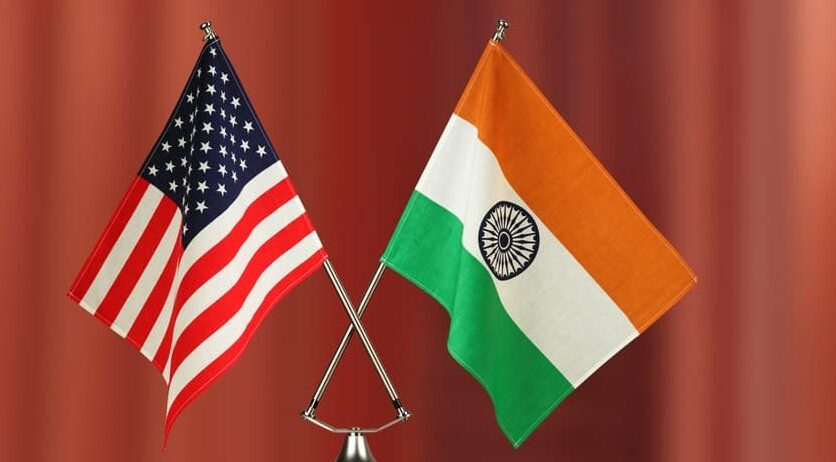
The year 2025 marked a significant shift in global trade dynamics, characterized by slower growth in major economies and escalating tariffs. Amid these challenges, India showcased remarkable resilience, recalibrating its approach to international economic integration. With total exports reaching $824.9 billion in FY 2024-25, India implemented strategic measures to navigate global uncertainties, including diversifying markets and enhancing trade agreements.
India’s Export Performance Amid Global Challenges
In FY 2024-25, India achieved a notable 6% increase in total exports, amounting to $824.9 billion, despite facing a backdrop of muted global demand. This growth did not occur in isolation; rather, it was the result of a strategic shift aimed at market diversification and supply-chain repositioning. The year was marked by significant disruptions, particularly due to the United States’ imposition of reciprocal tariffs on sensitive sectors such as metals and machinery. Consequently, India’s exports to the US plummeted by approximately 37.5% between May and September 2025. In response, India adopted a strategy focused on containment rather than confrontation, employing trade defense instruments like anti-dumping duties to mitigate the impact of import surges. Additionally, the government recalibrated export support schemes to prioritize value-added manufacturing, streamlining customs processes to enhance competitiveness.
Strategic Free Trade Agreements and Economic Partnerships
A key highlight of 2025 was India’s renewed focus on Free Trade Agreements (FTAs) as essential tools for economic resilience. The India-EFTA Trade and Economic Partnership Agreement, which came into effect on October 1, 2025, marked India’s first operational FTA with developed European nations. This agreement secured duty concessions on over 92% of tariff lines and is projected to attract $100 billion in investments, creating one million jobs over the next 15 years. Furthermore, India and the United Kingdom signed the Comprehensive Economic and Trade Agreement on July 24, 2025, which is expected to provide duty-free access to 99% of India’s exports to the UK by value once implemented in mid-2026. Ongoing negotiations with the European Union, Canada, New Zealand, and other regions are steadily progressing, expanding India’s network of trade partnerships.
Domestic Reforms and Supply Chain Diversification
To bolster domestic exports, the Indian government launched a ₹25,060-crore mission aimed at upgrading export infrastructure, enhancing trade finance, and enabling micro, small, and medium enterprises (MSMEs) to meet global standards. This initiative signifies a structural shift from episodic incentives to systematic export capability building. Additionally, global supply-chain diversification played a crucial role in shaping India’s trade trajectory. Companies in sectors such as electronics and pharmaceuticals accelerated their strategies to mitigate geopolitical and tariff risks, positioning India as a key beneficiary through targeted production-linked incentives. As a result, Indian firms increasingly integrated into global production networks, moving up the value chain and reducing reliance on traditional Western markets.
Future Directions: Critical Minerals and Logistics Competitiveness
Looking ahead to 2026, India has identified two structural priorities that will shape its trade landscape: access to critical minerals and logistics competitiveness. The government has approved a ₹7,280-crore production-linked incentive scheme to promote domestic manufacturing of rare-earth magnets, alongside strategic partnerships with mineral-rich countries like Australia. Additionally, logistics reform is a critical focus area, with the PM Gati Shakti initiative driving the construction of multimodal logistics parks and dedicated cargo terminals. The introduction of the Indian Ports Act, 2025, aims to modernize regulatory frameworks, streamline port operations, and enhance tariff transparency. The overarching lesson from 2025 is that resilience in global trade stems from strategic integration rather than isolation, positioning India to not only participate in global commerce but also influence its future trajectory.
Observer Voice is the one stop site for National, International news, Sports, Editor’s Choice, Art/culture contents, Quotes and much more. We also cover historical contents. Historical contents includes World History, Indian History, and what happened today. The website also covers Entertainment across the India and World.
Follow Us on Twitter, Instagram, Facebook, & LinkedIn

