

India Requires All Smartphones to Install State-Backed Cyber Safety App

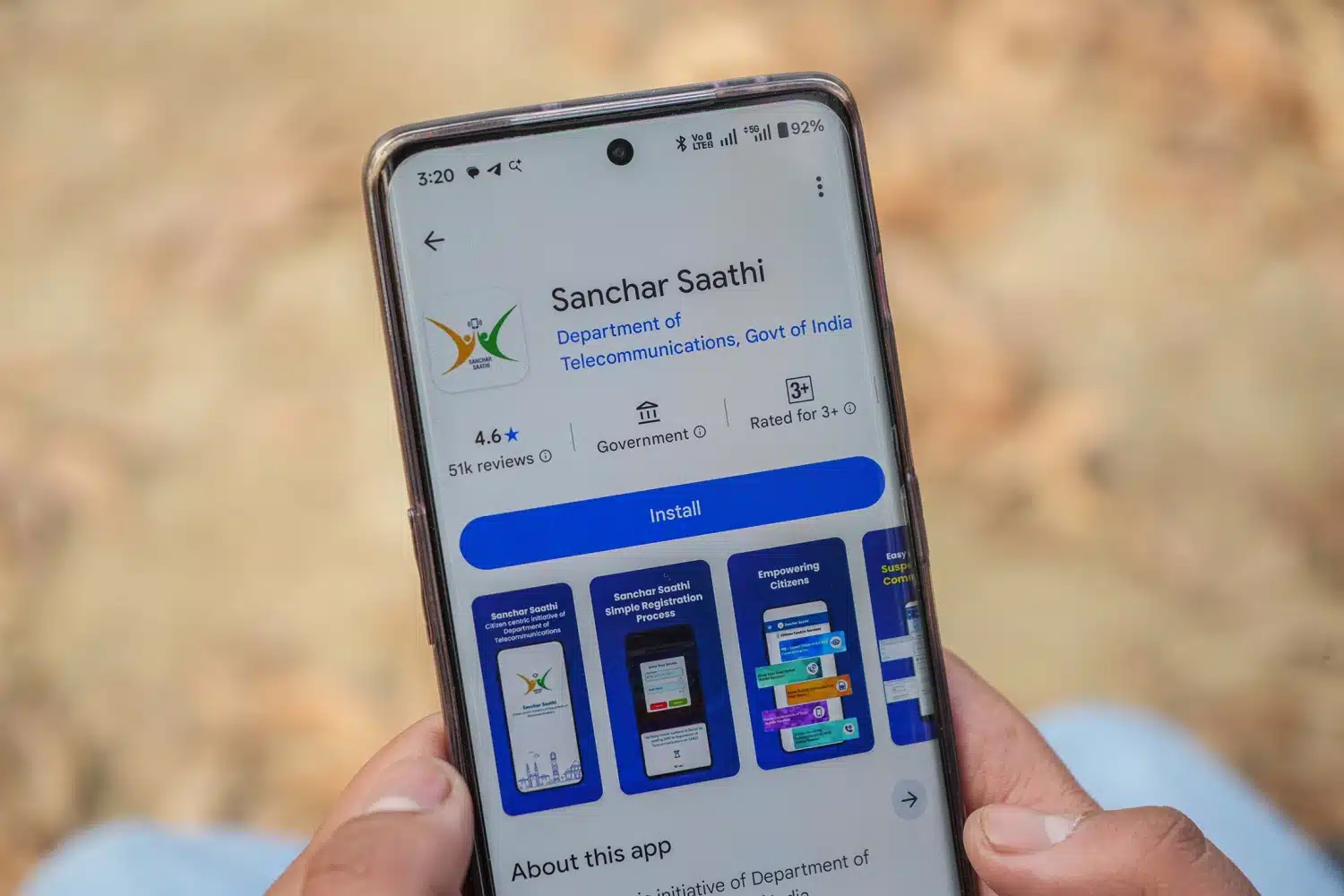
India has mandated that all new smartphones sold in the country must come pre-installed with a government-run cybersecurity application, the Sanchar Saathi app. This directive, which has raised significant privacy and surveillance concerns, requires smartphone manufacturers to comply within 90 days. The app is designed to help users verify the authenticity of their devices and report any misuse of telecom resources. However, critics argue that the app’s extensive permissions could infringe on users’ privacy rights.
Government’s Justification for the App
The Indian government asserts that the Sanchar Saathi app is essential for enhancing telecom cybersecurity. According to officials, the app allows users to check a device’s International Mobile Equipment Identity (IMEI), report lost or stolen phones, and flag suspicious communications. The Department of Telecommunications has highlighted the risks associated with duplicate or spoofed IMEI numbers, stating that these pose a serious threat to the security of telecom networks. The government claims that the app has already aided in recovering over 700,000 lost phones, including 50,000 in just the month of October.
Despite these claims, the app’s privacy policy has drawn scrutiny. It allows access to various phone functions, including making calls, sending messages, and using the camera. Critics, including the advocacy group Internet Freedom Foundation, argue that this effectively turns every smartphone into a tool for state surveillance, as users cannot disable or remove the app. The government’s insistence on the app’s necessity has sparked a debate about the balance between security and individual privacy.
Concerns from Cybersecurity Experts
Cybersecurity experts have voiced strong concerns regarding the Sanchar Saathi app’s broad permissions. Technology analyst Prasanto K Roy has pointed out that the app requests access to nearly all aspects of a smartphone, raising alarms about potential surveillance capabilities. He emphasized that while the app claims not to collect or share user data, the extent of its permissions is troubling. The app’s presence on the Google Play Store states that it does not gather user information, but the lack of transparency regarding its operations has left many skeptical.
Moreover, compliance with the government’s order poses challenges for smartphone manufacturers. Many companies, including Apple, typically prohibit the installation of government or third-party applications before a device is sold. This policy is common in most markets, with exceptions primarily in countries like China and Russia. As a result, manufacturers may face difficulties in adhering to the new regulations while maintaining their standard practices.
Government’s Response to Criticism
In response to the backlash, India’s Minister of Communications, Jyotiraditya Scindia, has attempted to clarify the government’s position. He stated that users will have the option to delete the app if they choose not to use it. However, this assertion raises questions about how users can effectively remove an app that cannot have its functionalities disabled or restricted. The minister’s comments have not alleviated concerns regarding the app’s mandatory installation and the implications for user privacy.
The Sanchar Saathi app was launched in January and is part of a broader initiative to enhance telecom security in India, which boasts over 1.2 billion mobile subscribers. The government has mandated that the app be readily visible and accessible during the device setup process. Additionally, manufacturers are required to provide the app through software updates for unsold devices. All companies must submit compliance reports within 120 days, further emphasizing the urgency of the government’s directive.
As the debate continues, the implications of this order extend beyond India. Similar measures have been implemented in other countries, such as Russia, where regulations require pre-installed state-backed applications on smartphones. The global conversation around privacy, surveillance, and cybersecurity is becoming increasingly relevant as governments seek to balance security needs with individual rights.
Observer Voice is the one stop site for National, International news, Sports, Editor’s Choice, Art/culture contents, Quotes and much more. We also cover historical contents. Historical contents includes World History, Indian History, and what happened today. The website also covers Entertainment across the India and World.

