

India Expands Healthcare Access with Ayushman Arogya Mandirs

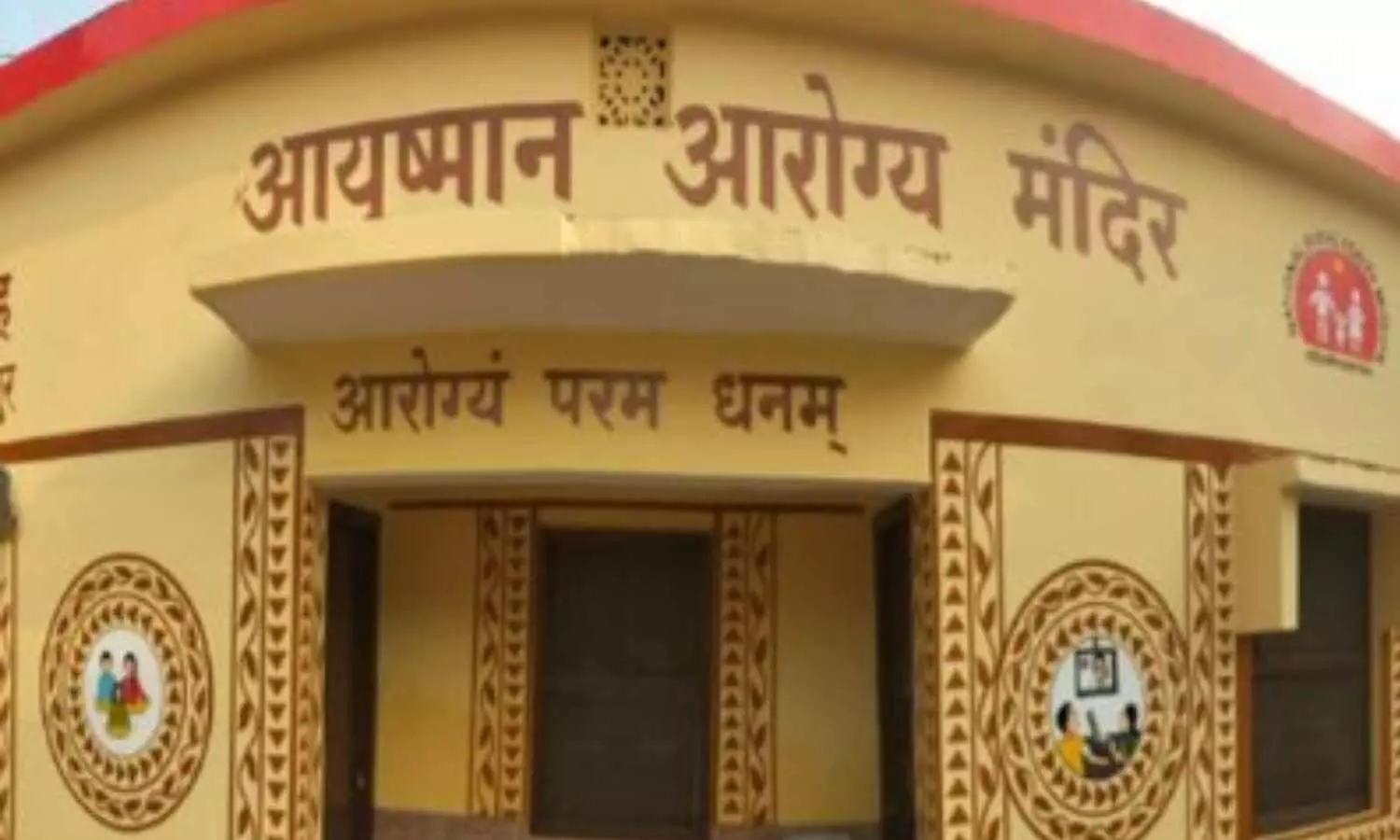
The Government of India is taking significant steps to bolster the public healthcare system by providing both technical and financial support to states and union territories. This initiative aims to enhance healthcare infrastructure and increase the number of specialist positions, as per the proposals received under the National Health Mission (NHM). Funding approvals are documented through Records of Proceedings (RoPs), ensuring norms and available resources are adhered to.
The Ministry of Health and Family Welfare has established benchmarks for healthcare facilities based on population size. In rural regions, Ayushman Arogya Mandirs — Sub Health Centres (SHC-AAM) are designated for populations of 5,000 (in plains) and 3,000 (in hilly and tribal areas). For larger communities, Ayushman Arogya Mandir – Primary Health Centres (AAM-PHCs) are recommended for populations of 30,000 in plains and 20,000 in hilly or tribal regions, while Community Health Centres (CHCs) cater to 120,000 in plains and 80,000 in hill areas. Additionally, District Hospitals and Sub District Hospitals serve as key secondary care units.
Free Diagnostics Service Initiative
The Ministry is also backing the Free Diagnostics Service Initiative (FDSI) under NHM, which aims to make pathological and radiological diagnostics more affordable and accessible within communities. This initiative reduces out-of-pocket expenses for patients by offering a range of diagnostic tests at no cost across all public health facilities. The services include 14 tests at SHC-AAM, 63 at AAM-PHCs, 97 at Community Health Centres, 111 at Sub District Hospitals, and 134 at District Hospitals.
Progress on Healthcare Facilities
In a move to further enhance healthcare accessibility, the Government announced in February 2018 the establishment of 150,000 Ayushman Arogya Mandirs, formerly known as Ayushman Bharat Health and Wellness Centres, by December 2022. As of December 31, 2025, an impressive total of 182,944 Ayushman Arogya Mandirs have been established, transforming existing Sub-Health Centres and Primary Health Centres into comprehensive healthcare providers with a complete set of 12 services. These services span preventive, promotive, curative, palliative, and rehabilitative care, all provided free and within close reach of communities.
Initiatives Under NHM
In addition to the newly established healthcare facilities, the NHM oversees various initiatives to improve healthcare access for citizens in remote and underserved areas. These include National Ambulance Services, Mobile Medical Units, the involvement of ASHAs, 24×7 services, and the Prime Minister’s National Dialysis Programme, which collectively aim to enhance timely access to quality care. Other significant programs include the Free Drugs Service Initiative, reproductive and child health services, and the Universal Immunization program.
Impressive Healthcare Outcomes
The government’s efforts have yielded significant improvements in maternal and infant healthcare in the last decade. The Maternal Mortality Ratio (MMR) dropped from 130 per lakh live births (2014-16) to 88 per lakh live births (2021-23), according to SRS data. As reported by the UN-MMEIG in 2023, India has achieved an 86% reduction in MMR since 1990, surpassing the global average decline of 48%. Similarly, the Infant Mortality Rate (IMR) decreased from 39 to 25 per 1,000 live births within the same timeframe, while the Under-5 Mortality Rate (U5MR) decreased from 45 to 29, demonstrating noteworthy advancements in child health.
Observer Voice is the one stop site for National, International news, Sports, Editor’s Choice, Art/culture contents, Quotes and much more. We also cover historical contents. Historical contents includes World History, Indian History, and what happened today. The website also covers Entertainment across the India and World.

