

India Expands Drug Safety Regulations with New QR Code Rules

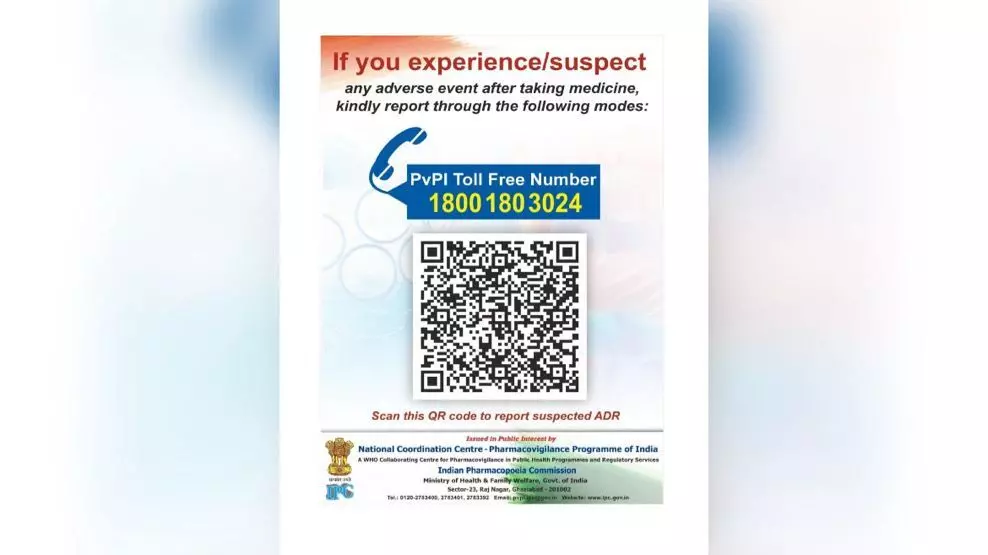
In a significant initiative to enhance the quality, safety, and integrity of its pharmaceutical sector, India’s Ministry of Health and Family Welfare has announced key amendments to the Drugs Rules, 1945. These changes will broaden the scope of Schedule H2, introducing new drug categories into a QR Code-based track and trace system aimed at bolstering the fight against counterfeit medications.
The amendments will include all vaccines, antimicrobials, narcotic and psychotropic drugs governed by the Narcotic Drugs and Psychotropic Substances (NDPS) Act, 1985, as well as all anti-cancer drugs under Schedule H2. Manufacturers of these medications will now be required to feature a Bar Code or Quick Response (QR) Code on the primary packaging. In cases where space is an issue, the QR Code can be placed on the secondary packaging, ensuring that essential information is easily accessible.
This QR Code will serve as a digital gateway, containing vital product details such as a unique identification code, both generic and brand names, the manufacturer’s name and address, batch number, manufacturing and expiry dates, manufacturing licence number, and information on excipients if applicable. Previously, the QR Code requirement was restricted to the top 300 pharmaceutical brands in India, but these amendments significantly broaden that coverage.
Enhancing Traceability and Safety
The revised regulations are designed to improve traceability across the pharmaceutical supply chain, enabling more effective authentication and verification of drug products. The move is expected to strengthen regulatory oversight, combating the spread of counterfeit and substandard medicines within the marketplace. This initiative plays a critical role in addressing public health concerns, particularly in the national battle against Anti-Microbial Resistance (AMR) by facilitating better tracking and inspection of potentially spurious antimicrobial products.
Phased Implementation Timelines
Acknowledging the need to allow the industry and stakeholders sufficient time for adaptation, the Ministry has outlined a phased approach for compliance. The new provisions affecting vaccines, narcotic and psychotropic drugs, and anti-cancer medications will come into effect on July 1, 2027, while the rules pertaining to antimicrobials are set to begin on July 1, 2028. This timeline provides the necessary transition period for manufacturers to adapt their processes and ensure compliance with the new regulations.
Observer Voice is the one stop site for National, International news, Sports, Editor’s Choice, Art/culture contents, Quotes and much more. We also cover historical contents. Historical contents includes World History, Indian History, and what happened today. The website also covers Entertainment across the India and World.
Follow Us on Twitter, Instagram, Facebook, & LinkedIn

