

Hospitals: Healthcare facilities amplifying health system effectiveness worldwide
Hospitals: Essential health facilities critical for universal health coverage

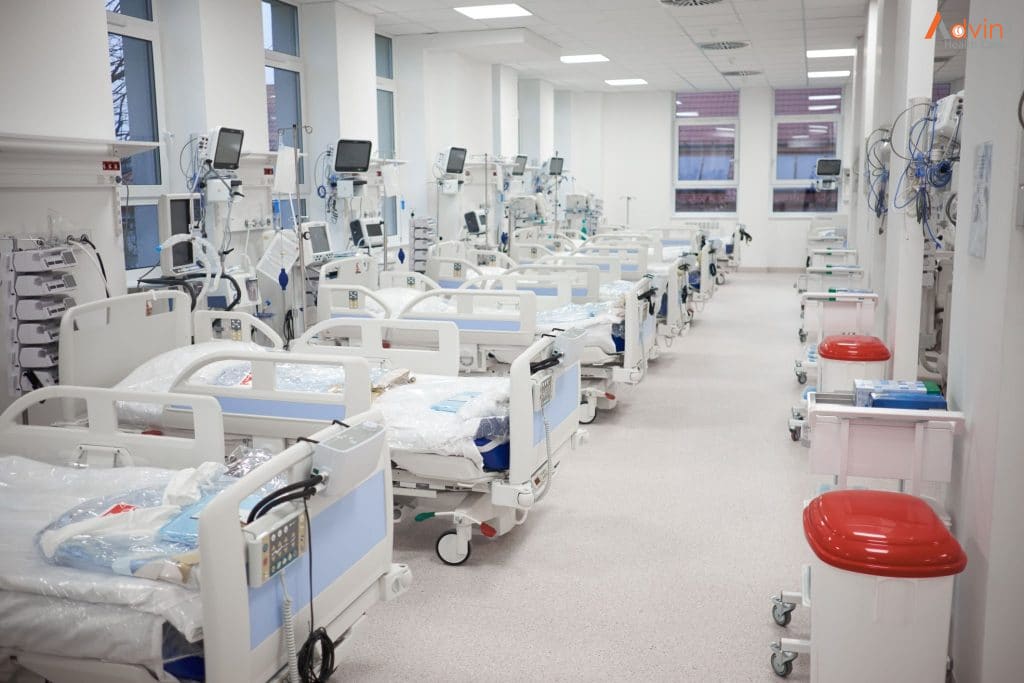
Dr. Amina Osman (Khartoum, Sudan) stood in the emergency department of Omdurman Teaching Hospital at 2 AM, overwhelmed by what she witnessed. Fifty patients crowded the waiting area designed for fifteen. Three heart attack victims shared a single cardiac monitor. The oxygen supply had run out hours earlier. Surgical equipment sat broken in storage rooms for lack of spare parts.
“We had doctors, we had nurses, we had willing hands,” Dr. Osman recalled, tears forming even years later. “But we didn’t have a functioning hospital system. We couldn’t provide the care our patients desperately needed. A young mother died from postpartum hemorrhage because we had no blood products. A child with pneumonia suffocated because our oxygen concentrator had broken three months earlier and nobody had ordered replacement parts. These were entirely preventable deaths.”
That devastating night in 2019 changed Dr. Osman’s career trajectory. She left clinical practice to study hospital management, learning how well-functioning hospitals could transform healthcare delivery. Today, she leads Sudan’s hospital strengthening program, implementing the lessons that could have saved those patients.
According to WHO, Hospitals complement and amplify the effectiveness of many other parts of the health system, providing continuous availability of services for acute and complex conditions. They concentrate scarce resources within well-planned referral networks to respond efficiently to population health needs. They are an essential element of Universal Health Coverage (UHC) and will be critical to meeting the Sustainable Development Goals (SDG).
For more on health systems, see our articles on primary health care and health workforce at ObserverVoice.com. WHO provides comprehensive fact sheets on Patient safety, Primary health care, and Universal health coverage (UHC).
Critical Role in Health System Development
Hospitals are also an essential part of health system development. Currently, external pressures, health systems shortcomings and hospital sector deficiencies are driving a new vision for hospitals in many parts of the world. In this vision, they have a key role to play to support other healthcare providers and for community outreach and home-based services and are essential in a well-functioning referral network.
Hospitals matter to people and often mark central points in their lives. They also matter to health systems by being instrumental for care coordination and integration. They often provide a setting for education of doctors, nurses and other health-care professionals and are a critical base for clinical research. WHO provides Q&A on What is universal health coverage?, How significant is the problem of infections in health care?, and Q&A on Strengthening Infection Prevention & Control in Healthcare Facilities.
Related topics include Emergency and critical care, Health systems governance, Infection prevention and control, Patient safety, and Primary health care. For more on healthcare delivery, see our article on health system strengthening at ObserverVoice.com.
Reflecting Community Needs and Values
Hospitals should reflect the needs and values of the communities in and around them, while also being resilient and able to maintain and scale up services in emergency situations. Effective hospitals are designed for their users, with attention to the needs of special populations, such as children and the elderly. A well-designed hospital environment maximizes the effectiveness of clinical care delivery and enhances the well-being of patients and hospital staff.
Adequate and reliable infrastructure, technologies and supplies form the backbone of the hospital. Key infrastructure (such as well-planned spaces, water and energy, telecommunications) must support daily functioning, and be designed with redundancy to ensure continued safe and effective operation, even during a disaster or crisis. Appropriate and good quality medical and ICT technologies and supplies should be available for specialized health workforce to meet the population needs.
Hospital functions and organization vary according to health-care delivery organizations and each hospital’s unique position in the system. Good management structures ensure coordination among staff, services, infrastructure and supply chains to deliver high-quality care. Clinical registries and structured data audits facilitate rapid identification of high-yield areas for improvement. Regular monitoring of service quality with targeted intervention to address gaps drives ongoing improvement. WHO provides European database on human and technical resources for health.
Reservoirs of Critical Resources and Knowledge
Hospitals are reservoirs of critical resources and knowledge. They can be classified according to the interventions they provide, the roles they play in the health system and the health and educational services they offer to the communities in and around them. They are often the focal point for health care in a community and lead by example for sustainable development, the strengthening of health systems and in building healthy communities. Effective hospitals seek new ways to support care outside their walls to ensure people can be cared for closer to their home, within their community and at a sustainable cost.
Decision-makers at the national and sub-national level create conditions to drive, enable and sustain the paradigm shift in what hospitals do and how they perform. As system architects, they need to maintain oversight of all ongoing health and health system reforms and ensure policies and incentives are coherent and aligned. Major structural reforms outside the health sector, such as decentralization, civil service, privatization and trade, greatly impact the hospital sector and need to be taken into consideration at the macro level when assessing possibilities for hospital sector transformations.
Recent WHO Initiatives and Publications
December 2025 WHO published Framework and toolkit for infection prevention and control outbreak preparedness, readiness and response noting that health facilities with limited IPC capacities can amplify emerging outbreaks. October 2025 WHO published Kangaroo mother care: a clinical practice guide to help health workers support mothers and families in health facilities. October 2025 WHO published Parent counselling guide on kangaroo mother care supporting health workers in counselling parents of preterm and low birth weight newborns. June 2025 WHO published Workload Indicators of Staffing Need (WISN): software manual as software tool for recording and analyzing staffing status and needs at health facilities.
May 2025 WHO announced Member States endorse World Prematurity Day as official global health campaign. April 2025 WHO launches new guide to help boost quality in health services. February 2025 WHO announced World Health Day 2025 to spotlight women and babies’ survival.
WHO activities include Making health facilities safe in emergencies and disasters, Promoting baby-friendly hospitals, Strengthening quality midwifery for all mothers and newborns, Enhancing radiation safety in health care, Prioritizing medical devices, and Strengthening medical imaging. WHO’s Integrated Health Services team coordinates global efforts. WHO hosts annual World Patient Safety Day campaigns on September 17.
Strong Global Commitment
World Health Assembly passed WHA72.6 on Global action on patient safety, AFR/RC53/R2 on Resolution strengthening the role of hospitals in national health systems in the African region, and WHA58.3 on Revision of the International Health Regulations.
Dr. Osman’s transformation of Omdurman Teaching Hospital demonstrates what’s possible. “We started with the basics—ensuring reliable electricity, fixing oxygen systems, establishing supply chain management, training staff in emergency protocols. Within one year, maternal mortality in our hospital dropped 40%. Surgical infection rates fell by half. Patient satisfaction scores doubled.”
“But the most important change wasn’t technical—it was cultural. We stopped thinking of the hospital as an isolated institution and started seeing it as the hub of a healthcare network. We trained rural health workers. We provided teleconsultation services to remote clinics. We established referral pathways so patients could access appropriate care at the right level. We built relationships with community health workers who could provide follow-up care after discharge,” Dr. Osman explained.
“Hospitals aren’t just buildings with medical equipment—they’re living systems that must adapt to serve their communities. They must be resilient enough to function during emergencies, accessible enough to serve vulnerable populations, efficient enough to use scarce resources wisely, and integrated enough to coordinate with the entire health system,” Dr. Osman emphasized. “When hospitals fulfill this vision, they become engines of health transformation. They save lives, they train the next generation of healthcare workers, they advance medical knowledge, and they anchor hope for entire communities. That’s the vision WHO promotes—and it’s the vision we’re working to realize across Sudan, one hospital at a time.”
For more information, visit WHO’s hospitals topic page or explore related content at ObserverVoice.com.
Frequently Asked Questions (FAQs)
Hospitals complement and amplify effectiveness of many other parts of health system, providing continuous availability of services for acute and complex conditions. They concentrate scarce resources within well-planned referral networks to respond efficiently to population health needs. They are essential element of Universal Health Coverage (UHC) and will be critical to meeting Sustainable Development Goals (SDG). Hospitals are also essential part of health system development. In new vision, they have key role to support other healthcare providers and for community outreach and home-based services and are essential in well-functioning referral network. Hospitals matter to people and often mark central points in their lives. They also matter to health systems by being instrumental for care coordination and integration. They often provide setting for education of doctors, nurses and other health-care professionals and are critical base for clinical research. WHO fact sheets: Patient safety, Primary health care, UHC. Related: Emergency care, Patient safety.
Hospitals should reflect needs and values of communities in and around them, while also being resilient and able to maintain and scale up services in emergency situations. Effective hospitals are designed for their users, with attention to needs of special populations, such as children and elderly. Well-designed hospital environment maximizes effectiveness of clinical care delivery and enhances well-being of patients and hospital staff. Adequate and reliable infrastructure, technologies and supplies form backbone of hospital. Key infrastructure (such as well-planned spaces, water and energy, telecommunications) must support daily functioning, and be designed with redundancy to ensure continued safe and effective operation, even during disaster or crisis. Appropriate and good quality medical and ICT technologies and supplies should be available for specialized health workforce to meet population needs. Hospital functions and organization vary according to health-care delivery organizations and each hospital’s unique position in system. Good management structures ensure coordination among staff, services, infrastructure and supply chains to deliver high-quality care. WHO provides European database on resources for health. Related: Health systems governance, Infection prevention and control.
Hospitals are reservoirs of critical resources and knowledge. They can be classified according to interventions they provide, roles they play in health system and health and educational services they offer to communities in and around them. They are often focal point for health care in community and lead by example for sustainable development, strengthening of health systems and in building healthy communities. Effective hospitals seek new ways to support care outside their walls to ensure people can be cared for closer to their home, within their community and at sustainable cost. Clinical registries and structured data audits facilitate rapid identification of high-yield areas for improvement. Regular monitoring of service quality with targeted intervention to address gaps drives ongoing improvement. WHO Q&A: What is universal health coverage?, Infections in health care, Strengthening Infection Prevention & Control. Related: Primary health care.
December 2025 WHO published Framework and toolkit for infection prevention and control outbreak preparedness. October 2025 WHO published Kangaroo mother care: clinical practice guide and Parent counselling guide on kangaroo mother care. June 2025 WHO published Workload Indicators of Staffing Need (WISN): software manual as tool for analyzing staffing status at health facilities. May 2025 WHO announced Member States endorse World Prematurity Day. April 2025 WHO launches new guide to boost quality in health services. February 2025 WHO announced World Health Day 2025 to spotlight women and babies’ survival. WHO activities: Making health facilities safe in emergencies, Promoting baby-friendly hospitals, Strengthening quality midwifery. WHO’s Integrated Health Services coordinates efforts.
Decision-makers at national and sub-national level create conditions to drive, enable and sustain paradigm shift in what hospitals do and how they perform. As system architects, they need to maintain oversight of all ongoing health and health system reforms and ensure policies and incentives are coherent and aligned. Major structural reforms outside health sector, such as decentralization, civil service, privatization and trade, greatly impact hospital sector and need to be taken into consideration at macro level when assessing possibilities for hospital sector transformations. World Health Assembly passed WHA72.6 on Global action on patient safety, AFR/RC53/R2 on Resolution strengthening role of hospitals in national health systems in African region, WHA58.3 on Revision of International Health Regulations. WHO activities include Enhancing radiation safety in health care, Prioritizing medical devices, Strengthening medical imaging. WHO hosts annual World Patient Safety Day on September 17.
- WHO Hospitals Topic Page
- WHO Fact Sheet on Universal Health Coverage
- WHO Fact Sheet on Patient Safety
- WHO Integrated Health Services
- WHO World Patient Safety Day Campaign
Disclaimer: This article is an adaptation of publicly available information from WHO’s Hospitals
health topic page (WHO, Geneva. Licence: CC BYNC-SA 3.0 IGO). WHO is not responsible for the
content or accuracy of this adaptation. This content is for informational and educational purposes
only and does not constitute medical advice. ObserverVoice.com is a news and information platform
— not a healthcare provider.
Observer Voice is the one stop site for National, International news, Sports, Editor’s Choice, Art/culture contents, Quotes and much more. We also cover historical contents. Historical contents includes World History, Indian History, and what happened today. The website also covers Entertainment across the India and World.

