

Health Ministry Reassures Public Amid Seasonal Flu Monitoring

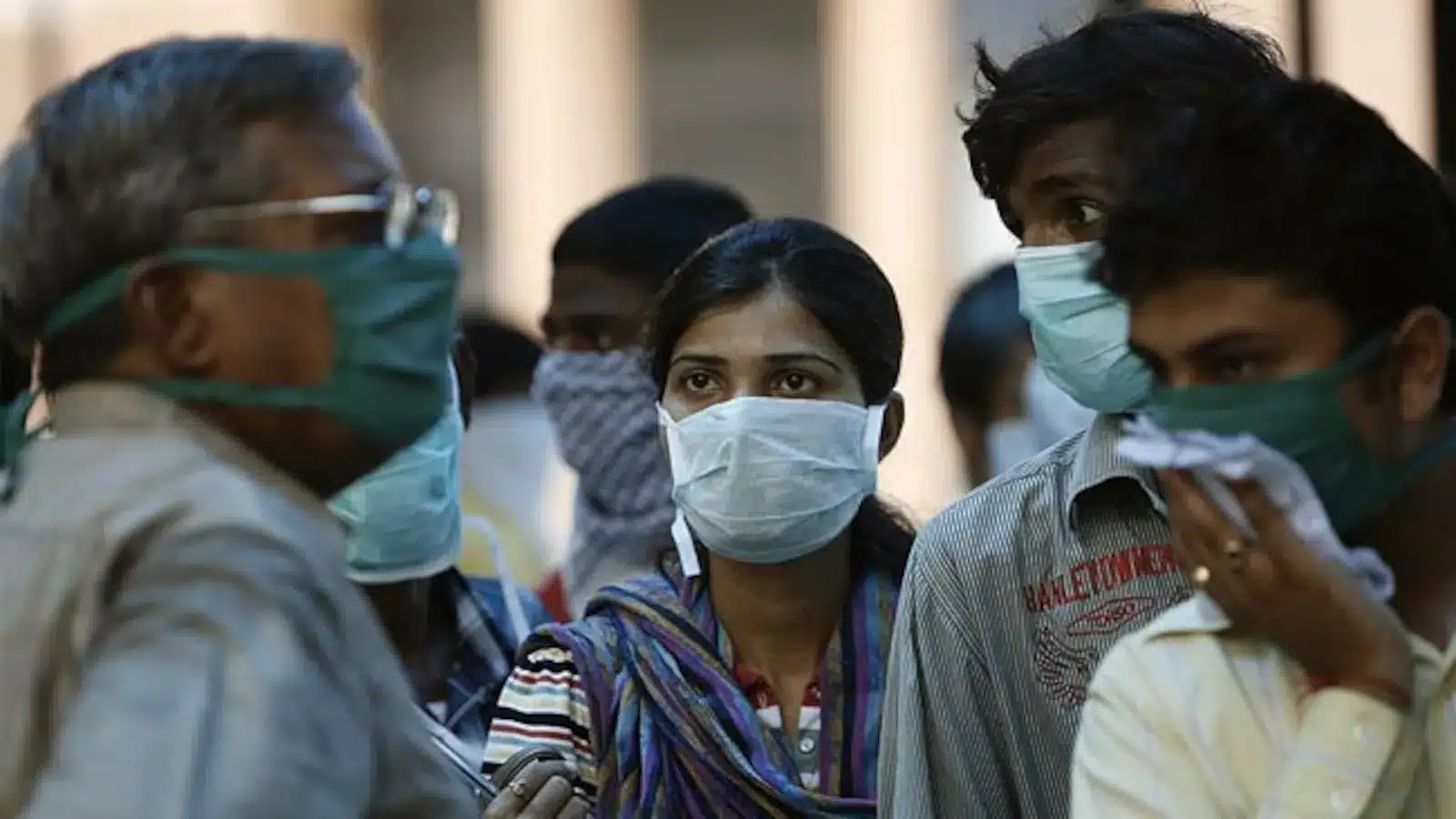
The Union Ministry of Health and Family Welfare (MoHFW) is actively overseeing seasonal respiratory illnesses across India. Working closely with the Department of Health Research (DHR), Indian Council of Medical Research (ICMR), and the National Centre for Disease Control (NCDC), health officials are deploying a nationwide surveillance network to monitor the ongoing influenza trends.
During a press briefing in New Delhi, Dr. Rajiv Bahl, Secretary of DHR and Director General of ICMR, confirmed that the current influenza situation is stable and declared that “there is no cause for panic or alarm.” He assured the public that the influenza viruses currently circulating are in line with seasonal patterns noted in previous years.
The ongoing genomic and epidemiological surveillance, facilitated by 73 Virus Research and Diagnostic Laboratories (VRDLs), offers critical insights into the virus’s activity. The prevalent influenza A (H1N1) viruses identified are classified as A/Missouri/11/2025 (H1N1) pdm09-like strains. Genetic analysis places these viruses within a typical clade, reflecting consistent patterns observed historically.
Dr. Bahl emphasized that the present findings do not suggest the emergence of new influenza threats. He described seasonal influenza, including H1N1, as a primarily mild and self-limiting respiratory illness affecting otherwise healthy individuals. Common symptoms like fever, cough, and body aches, typically improve with adequate rest and hydration. He pointed out that the presence of H1N1 alone does not signify a risk of severe disease or hospitalization for most individuals.
However, Dr. Bahl urged certain at-risk groups, including elderly individuals, young children, and those with underlying health conditions, to exercise caution. He recommended they seek medical advice promptly if they experience influenza-like symptoms.
To safeguard public health, health officials advise following routine respiratory hygiene practices:
DOs:
- Cover your mouth and nose when coughing or sneezing.
- Wash your hands often with soap or use hand sanitizer.
- Stay home when unwell and limit close contact with others.
- Stay hydrated and well-rested.
- Maintain a nutritious diet.
- Seek medical advice for severe or persistent symptoms.
- Follow medical guidance on testing and treatment.
DONTs:
- Don’t panic over H1N1 detections.
- Don’t take antivirals or antibiotics without consulting a physician.
- Avoid close contact with others while symptomatic.
- Don’t touch your face with unwashed hands.
To stay ahead of the situation, the Union Health Ministry, DHR, ICMR, and NCDC are committed to ongoing epidemiological, virological, and genomic surveillance of influenza trends nationwide. The extensive VRDL network enables timely identification and characterization of circulating viruses that may affect public health responses.
Current evidence indicates no unusual change in H1N1 behavior or emergence of new strains. Therefore, the public is encouraged to remain informed and vigilant, without succumbing to alarm. Seasonal influenza is a familiar condition that can be effectively managed through simple preventive measures and appropriate medical consultations.
Observer Voice is the one stop site for National, International news, Sports, Editor’s Choice, Art/culture contents, Quotes and much more. We also cover historical contents. Historical contents includes World History, Indian History, and what happened today. The website also covers Entertainment across the India and World.

