

Government Mandates Sale of E20 Petrol with Minimum RON 95 Starting April 1

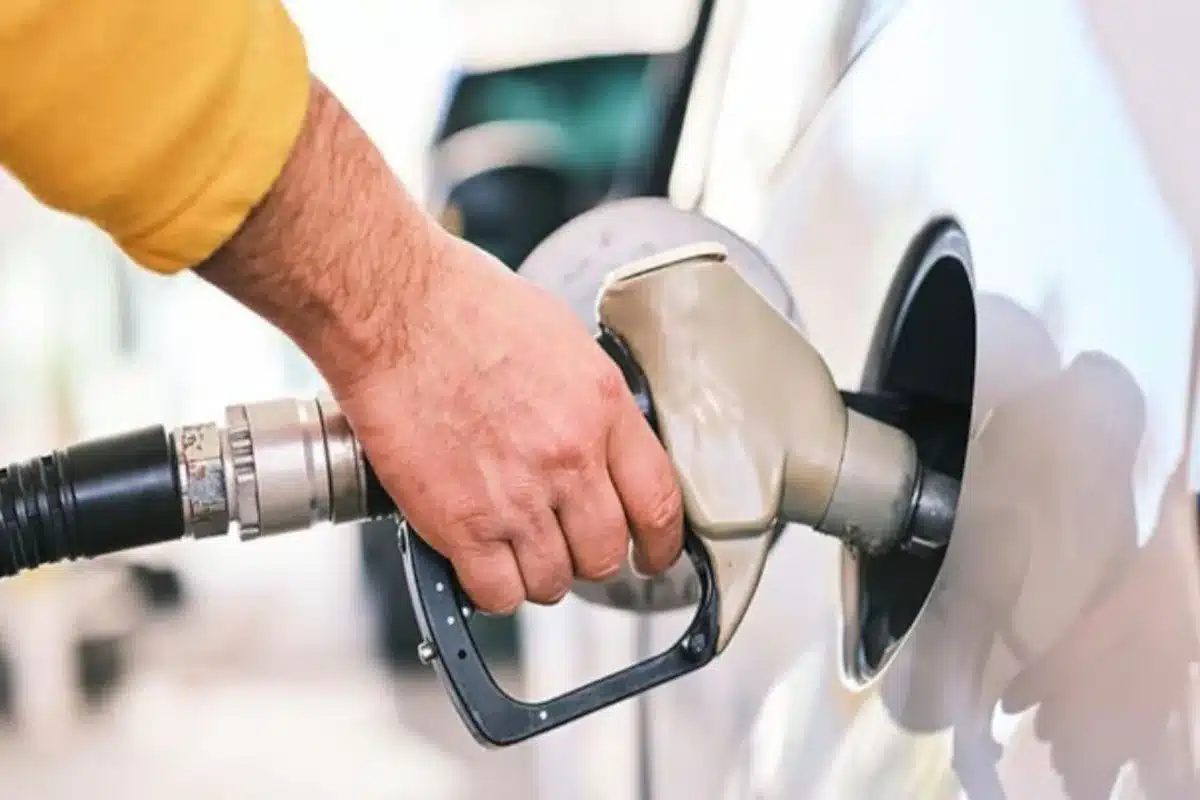
The Indian government has announced that the sale of ethanol-blended petrol will become mandatory starting April 1, 2026. This new regulation requires petrol to be mixed with up to 20% ethanol, ensuring a minimum Research Octane Number (RON) of 95. The initiative aims to reduce reliance on imported crude oil and lower emissions across all states and Union Territories. Following the successful achievement of a 10% ethanol blending target in June 2022, the government has accelerated its plans, moving the goal for 20% blending to 2025-26, five years ahead of the original 2030 deadline.
Understanding E20 Petrol
E20 petrol consists of 20% ethanol and 80% traditional petrol. The introduction of this blend is part of a broader strategy to decrease dependence on foreign oil and mitigate environmental impact. Ethanol, derived from renewable sources such as sugarcane and maize, burns cleaner than conventional petrol, making it an environmentally friendly alternative. The policy is also designed to support farmers by increasing demand for agricultural products.
The requirement for a minimum RON of 95 is crucial for protecting vehicle engines from potential damage. RON measures a fuel’s ability to resist knocking, which can lead to engine performance issues and mechanical damage over time. Ethanol has a naturally high octane rating of approximately 108, which enhances the stability of the fuel mixture and improves its resistance to knocking. This means that blending petrol with ethanol not only supports environmental goals but also ensures better performance for vehicles.
Addressing Mileage Concerns
Industry experts indicate that most vehicles manufactured in India between 2023 and 2025 are designed to run on E20 fuel, suggesting that major technical issues are unlikely. However, older vehicles may experience a slight decrease in fuel efficiency, estimated at around 3-7%. Additionally, there could be some wear on rubber and plastic components over time.
The Ministry of Petroleum and Natural Gas has previously addressed concerns regarding potential damage to vehicles from E20 petrol. A life-cycle emissions assessment by NITI Aayog revealed that ethanol from sugarcane and maize produces significantly lower greenhouse gas emissions—approximately 65% and 50% less, respectively, compared to petrol. The government has been proactive in anticipating vehicle performance issues, having conducted thorough evaluations supported by technical studies from various organizations.
Benefits of Ethanol Blending
The use of E20 fuel has been shown to enhance vehicle acceleration and provide a smoother driving experience while reducing carbon emissions by about 30% compared to E10 fuel. Ethanol’s higher octane rating makes it particularly advantageous for modern high-compression engines, which require fuels with elevated octane levels. Vehicles calibrated for E20 fuel typically exhibit improved acceleration, especially beneficial in urban driving conditions.
Moreover, ethanol’s higher heat of vaporization helps lower intake manifold temperatures, increasing the density of the air-fuel mixture and enhancing overall engine efficiency. The government emphasizes that these benefits contribute to a more sustainable and efficient automotive sector, aligning with broader environmental goals while supporting the agricultural economy.
Observer Voice is the one stop site for National, International news, Sports, Editor’s Choice, Art/culture contents, Quotes and much more. We also cover historical contents. Historical contents includes World History, Indian History, and what happened today. The website also covers Entertainment across the India and World.

