

Global Oil Shocks: Their Impact on Household Finance in India

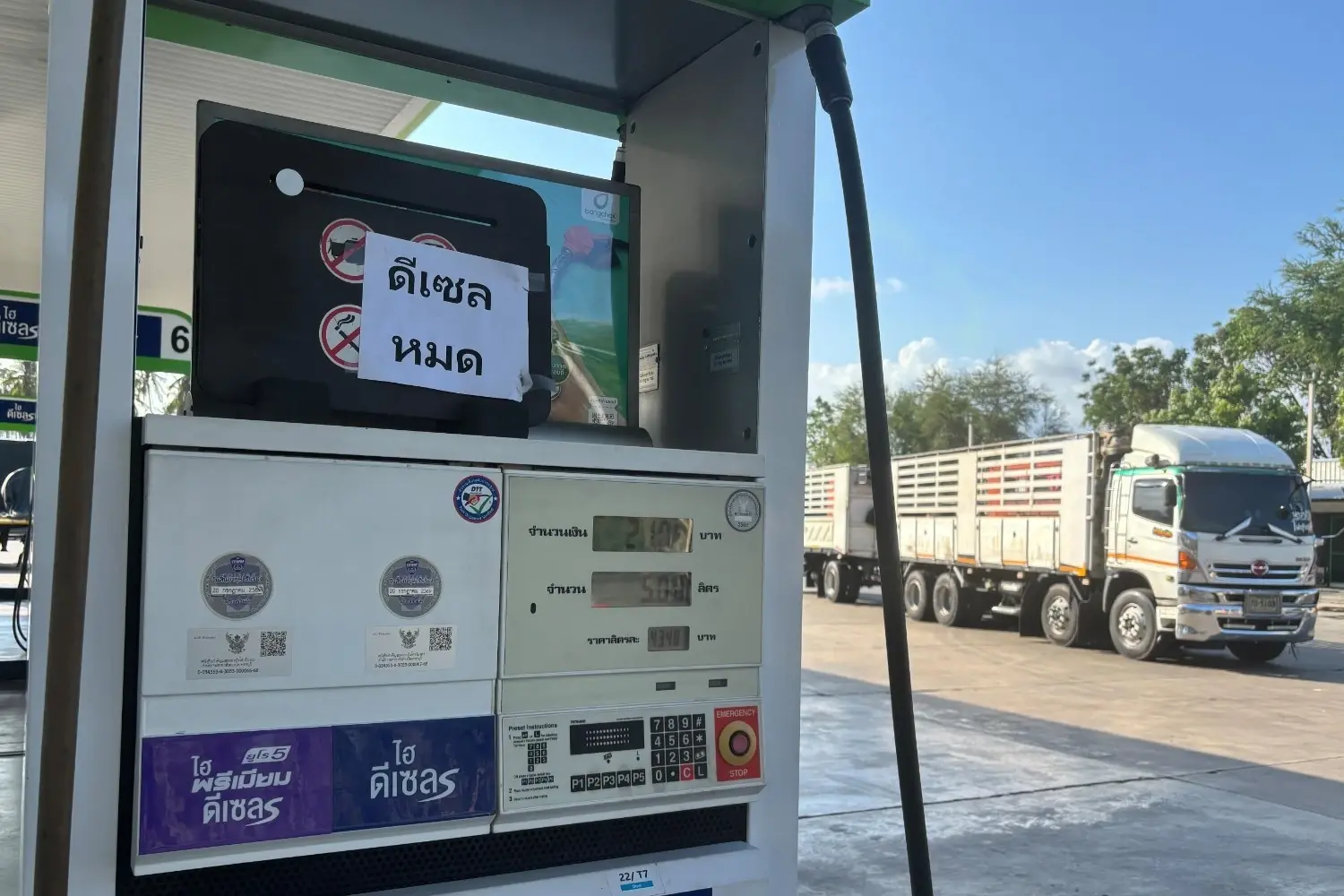
The ongoing conflict between Iran and the United States has sent shockwaves through global oil markets, creating significant uncertainty despite a temporary ceasefire aimed at facilitating negotiations. As tensions persist, the U.S. has initiated a naval blockade in the Strait of Hormuz, a crucial passage for oil transport, further complicating the situation. In a recent development, Iran announced that the strait is “completely open” for commercial vessels, offering a glimmer of hope for easing tensions, though the long-term effects on oil prices and global markets remain uncertain.
Impact of the Naval Blockade
The U.S. naval blockade around the Strait of Hormuz has raised alarms in global oil markets, as this narrow corridor is responsible for nearly 20% of the world’s crude oil supply. The blockade specifically targets vessels associated with Iranian oil exports, disrupting traffic and raising concerns about supply shortages. This situation has led to a significant increase in Brent crude prices, which have surpassed the $100 per barrel mark multiple times during the crisis. The blockade’s implications extend beyond immediate supply constraints, as it has created a sustained risk premium tied to the ongoing instability in the region. For countries like India, which imports over 80% of its crude oil, any disruption in this vital shipping lane can directly affect domestic fuel prices and inflation rates.
Despite the blockade, Iran’s recent declaration of the Strait of Hormuz being “completely open” for commercial vessels during the ceasefire offers a temporary reprieve. However, analysts caution that the relief may take time to manifest in global markets, as adjustments in freight flows, pricing, and risk premiums will not happen overnight. The effectiveness of the ceasefire and the subsequent negotiations will ultimately determine the long-term stability of oil prices and the broader economic implications.
Inflationary Pressures on India
India’s heavy reliance on imported oil makes it particularly vulnerable to fluctuations in global oil prices. A study by the Reserve Bank of India suggests that a 10% increase in crude oil prices could lead to a 20 basis point rise in headline inflation. The immediate effects are felt through rising prices for petrol, diesel, and LPG, which subsequently drive up logistics costs. Higher diesel prices lead to increased freight rates, impacting the prices of essential goods and services, from food to consumer products. This chain reaction can result in noticeable inflationary pressures within weeks of sustained price increases.
While the initial impact is seen in fuel prices, the broader implications for core inflation—excluding food and fuel—are less immediate. The transmission of cost pressures across various sectors depends on the extent to which these pressures spread. Experts indicate that while geopolitical tensions may influence headline inflation, the domestic growth story remains strong, suggesting that core inflation may not be as significantly affected in the short term.
The Reserve Bank of India’s Strategy
In response to the escalating tensions around the Strait of Hormuz, the Reserve Bank of India (RBI) has opted for a cautious approach, maintaining its policy rate unchanged despite the volatility in global crude prices. The central bank’s focus has been on managing financial stability rather than reacting aggressively to external shocks. By keeping rates steady, the RBI aims to avoid unnecessary tightening that could hinder domestic growth.
The RBI has also increased its monitoring of liquidity in the financial system, conducting periodic interventions to align short-term rates with its policy corridor. In its recent communications, the RBI has highlighted global commodity prices and geopolitical risks as significant uncertainties affecting the inflation outlook. This distinction is crucial, as it indicates that the current inflationary pressures are primarily driven by external factors rather than domestic demand. Consequently, while rate cuts may be delayed, a sharp tightening cycle is unlikely unless oil shocks begin to have a more persistent impact on core inflation.
Household Impact and Economic Outlook
For households, the effects of rising oil prices and inflation are often gradual but persistent. Fuel bills typically rise first, followed by increased grocery costs as transportation expenses affect food prices. Although the government has temporarily kept petrol and diesel prices stable by reducing excise duties, the long-term outlook remains uncertain. Borrowers with floating-rate loans may find limited relief if rate cuts are postponed, leading to higher overall interest payments over time.
The combination of rising living costs driven by fuel-led inflation and elevated borrowing costs due to delayed monetary easing creates a “double squeeze” on disposable incomes. Households may find themselves spending more on essentials while facing reduced financial flexibility. As the situation evolves, the interconnectedness of global conflicts and local economic conditions becomes increasingly evident, highlighting how events thousands of kilometers away can significantly impact household budgets and financial decisions.
Observer Voice is the one stop site for National, International news, Sports, Editor’s Choice, Art/culture contents, Quotes and much more. We also cover historical contents. Historical contents includes World History, Indian History, and what happened today. The website also covers Entertainment across the India and World.
Follow Us on Twitter, Instagram, Facebook, & LinkedIn

