

Gandhinagar School Turns Waste into Energy with Biogas Plants

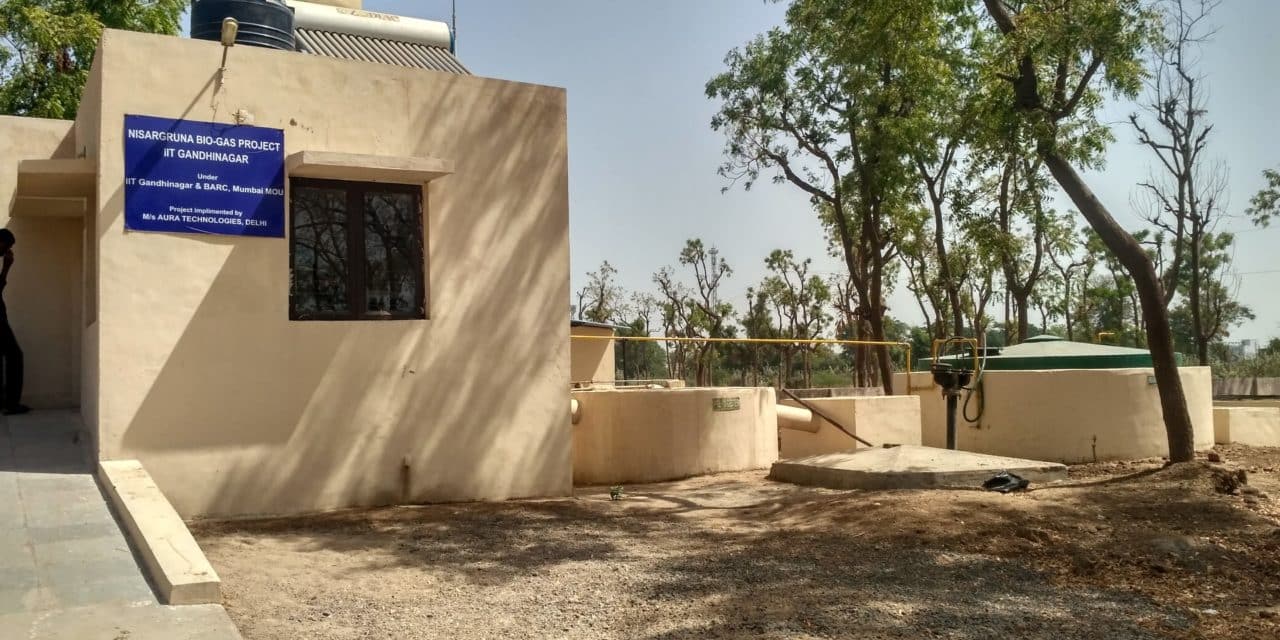
In an inspiring showcase of innovation, an educational institution in Gandhinagar, Gujarat, has illustrated how effective waste management can promote energy self-reliance and sustainability. The Shrimati Manekba Vinay Vihar Educational Complex, under the management of the Vasumati Charitable Trust, now prepares over 500 meals daily using biogas, completely eliminating its reliance on traditional LPG for cooking.
Transitioning to Sustainable Energy
Located near Adalaj, the complex serves a diverse community of around 250 hostel students and 15 staff families. By embracing a biogas-based cooking system, the institution has become a pioneer in the Swachh Bharat Mission-Urban 2.0 initiative. It operates two biogas plants with a combined capacity of 90 cubic meters per day, transforming waste into renewable energy.
Utilizing Organic Waste Efficiently
The biogas plants utilize dung collected from 222 cows in the trust’s cowshed, alongside kitchen waste and agricultural byproducts sourced from local fields. Remarkably, the biogas generated fulfills the entire cooking fuel needs of the campus, eliminating the requirement for LPG cylinders entirely.
Officials from the institution highlighted the significant advantages of their approach: “We have become self-reliant in cooking gas under Gujarat’s Institutional Biogas Plant Scheme. The cows provide sufficient dung, and the slurry produced after gas generation serves as valuable manure in our fields, enabling fully organic farming. Without this plant, we would require around 30 LPG cylinders each month.”
Environmental Benefits of Biogas
Biogas production, achieved through the anaerobic decomposition of organic materials, presents an economically viable and environmentally beneficial cooking fuel option. The rich by-product slurry not only functions as an effective organic fertilizer but also helps in reducing reliance on chemical fertilizers, lowering costs, and enhancing soil fertility. This creates a dual benefit, turning waste into a resource.
Support for Biogas Initiatives
The Gujarat Energy Development Agency (GEDA) supports the establishment of biogas plants ranging from 25 to 85 cubic meters in capacity, providing non-profit organizations with financial assistance up to 75% of the project cost. Over the past five years, around 193 institutional biogas plants have been commissioned across the state, highlighting Gujarat’s commitment to alternative energy and sustainable practices.
A Step Towards Sustainability
These initiatives are in line with the goals of the Swachh Bharat Mission-Urban 2.0, positioning institutions as leaders in the shift toward sustainability. By adopting innovative waste management techniques, they are not only reducing their environmental footprint but also recognizing the value of waste as a resource. This path reflects a scalable strategy for urban India, aiming for cleaner, greener, and more self-reliant communities through the integration of scientific waste management and progressive policies.
Observer Voice is the one stop site for National, International news, Sports, Editor’s Choice, Art/culture contents, Quotes and much more. We also cover historical contents. Historical contents includes World History, Indian History, and what happened today. The website also covers Entertainment across the India and World.

