

Freshwater Sponges: Nature’s Allies in Pollution Remediation

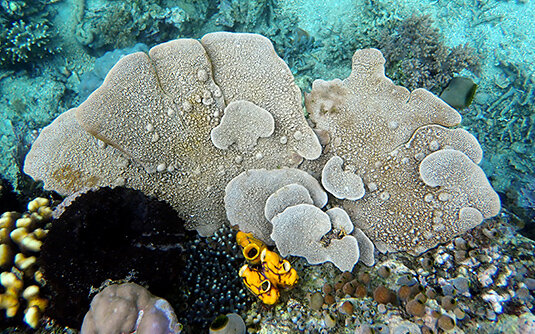
Freshwater sponges, often overlooked, have emerged as critical players in combating aquatic pollution. Recent research reveals their remarkable ability to act as bioindicators and absorb toxic metals, including arsenic, lead, and cadmium. As our water bodies become increasingly polluted, these natural filters could be key to restoring ecosystem health.
A study published in Microbiology Spectrum by scientists from Bose Institute, an institution supported by the Department of Science and Technology of the Government of India, highlights the potential for freshwater sponges found in the Sundarban delta to monitor toxic pollutants. These multicellular organisms, which are among Earth’s earliest life forms, filter large volumes of water, making them indispensable for maintaining aquatic ecosystems.
Insights from the Sundarban Delta
Led by Dr. Abhrajyoti Ghosh, the research team investigated sponge-associated microbial communities and their role in detoxifying polluted waters. The project was further supported by the DST SERB National Post-Doctoral Fellowship awarded to Dr. Dhruba Bhattacharya. This study is a pioneering effort, being the first to explore bacterial diversity within the freshwater sponges of the Sundarban region, an area that has not been extensively studied.
The findings revealed that the microbial communities living in and around the sponges differ significantly from those in the surrounding water. This distinctiveness is shaped by specific sponge species and their habitats. Most notably, the sponges exhibited a strong capacity to accumulate high levels of toxic metals, reinforcing their role as effective bioaccumulators.
Promising Solutions for Bioremediation
Alongside their accumulation abilities, the study discovered that the bacteria residing in the sponges are rich in genes related to metal ion transport, metal resistance, and antimicrobial resistance. These findings indicate that not only do these bacteria survive in metal-laden environments, but they also actively help detoxify these conditions and resist environmental stressors.
This research underscores the importance of the sponge-microbe partnership, emphasizing the potential of freshwater sponges as bioindicators for assessing water quality and monitoring pollution levels in both estuarine and freshwater ecosystems. The contributions of this study extend our understanding of sponge microbial ecology and pave the way for effective bioremediation strategies and sustainable water quality management.
As research continues to unfold, freshwater sponges may soon be recognized as vital allies in the ongoing battle to preserve our planet’s waterways.
Observer Voice is the one stop site for National, International news, Sports, Editor’s Choice, Art/culture contents, Quotes and much more. We also cover historical contents. Historical contents includes World History, Indian History, and what happened today. The website also covers Entertainment across the India and World.

