

Fossil Discoveries in Australia Reveal Ancient Tree-Climbing ‘Drop Crocs’

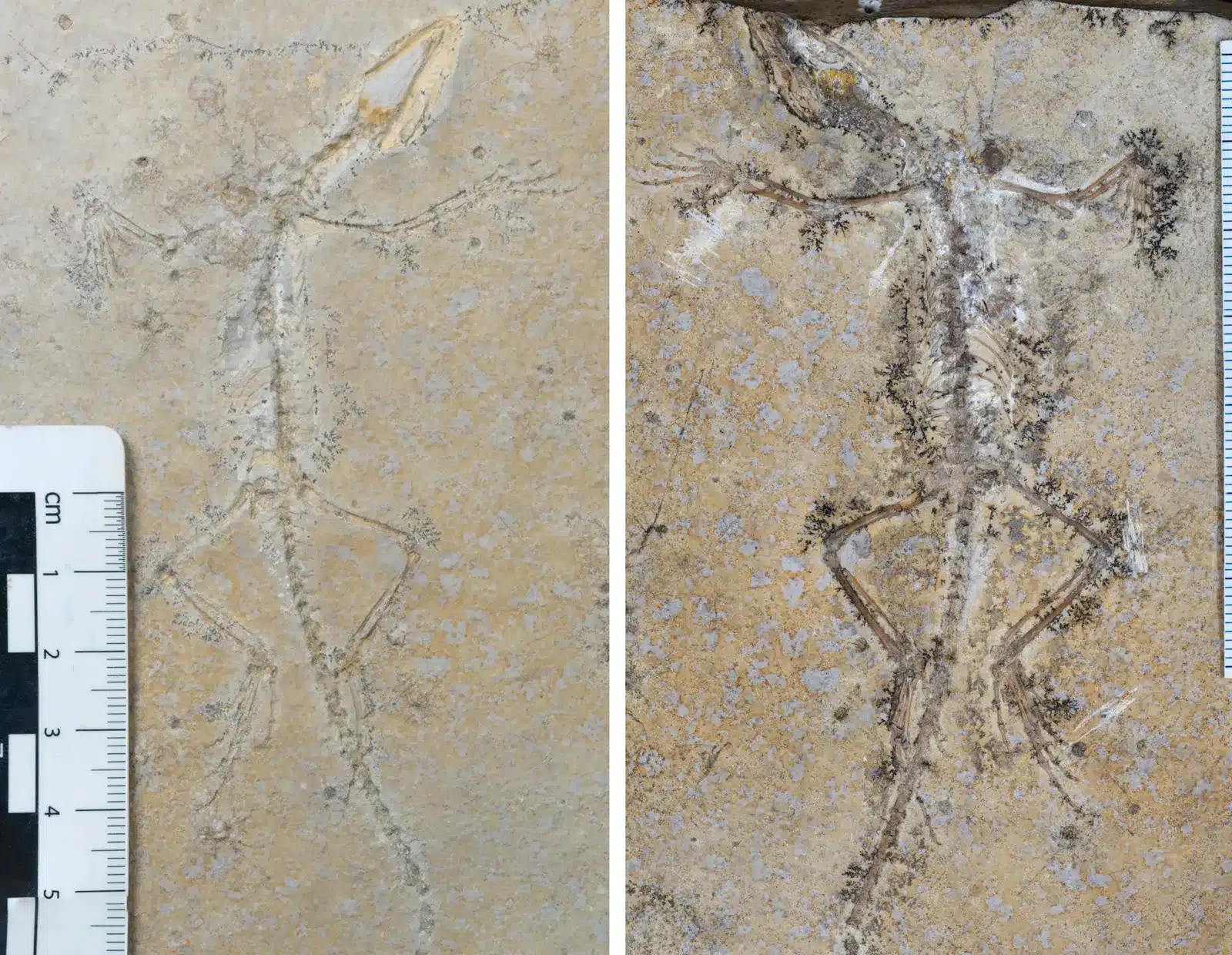
Scientists have made a groundbreaking discovery in Queensland, Australia, unearthing the oldest known crocodile eggshells, estimated to be 55 million years old. These ancient remnants may belong to a unique group of crocodiles known as “drop crocs,” which are believed to have climbed trees to hunt for prey. The findings, published in the Journal of Vertebrate Paleontology, shed light on the diverse and fascinating prehistoric life that once thrived in Australia when it was part of the supercontinent Gondwana.
The discovery of these eggshells is significant as they belong to the long-extinct mekosuchines, a group of crocodiles that inhabited inland waters during a time when Australia was connected to Antarctica and South America. Co-author Professor Michael Archer, a palaeontologist at the University of New South Wales, highlighted the unusual behavior of these “drop crocs,” suggesting they may have hunted similarly to leopards by ambushing unsuspecting prey from trees. This finding not only enriches our understanding of crocodilian evolution but also provides insights into the ecological dynamics of ancient ecosystems.
Research Collaboration and Analysis
Although the eggshells were discovered several decades ago, they were only recently analyzed with the assistance of scientists from Spain. This collaborative effort underscores the importance of international partnerships in paleontological research. Professor Archer noted that mekosuchine crocodiles were abundant 55 million years ago, long before the arrival of modern saltwater and freshwater crocodiles in Australia around 3.8 million years ago. The analysis of these eggshells contributes to a growing body of evidence regarding the diversity of prehistoric crocodiles and their adaptations to various environments.
Excavation History and Fossil Site
The eggshells were found in a clay pit in Murgon, a regional town approximately 270 kilometers northwest of Brisbane. This site has gained recognition as one of Australia’s oldest fossil locations, surrounded by lush forests that once supported a rich array of wildlife. Since the early 1980s, Professor Archer and his team have excavated this area, uncovering not only crocodile fossils but also the world’s oldest known songbirds, early frogs and snakes, and a variety of small mammals with South American connections. Dr. Michael Stein, another co-author of the report, emphasized the site’s significance in understanding the evolution of various species.
Future Prospects of Excavation
Reflecting on the excavation’s beginnings, Professor Archer recounted how he and a colleague approached a local sheep farmer in 1983, seeking permission to dig in their backyard. Their enthusiasm was met with a warm welcome, leading to the discovery of numerous prehistoric treasures. As excavations continue, both Archer and Stein express optimism about uncovering even more surprises from this rich fossil deposit. The ongoing research not only enhances our knowledge of ancient life in Australia but also highlights the importance of preserving and studying these invaluable natural resources.
Observer Voice is the one stop site for National, International news, Sports, Editor’s Choice, Art/culture contents, Quotes and much more. We also cover historical contents. Historical contents includes World History, Indian History, and what happened today. The website also covers Entertainment across the India and World.
Follow Us on Twitter, Instagram, Facebook, & LinkedIn

