

European Union Rejects Russian Gas: Plans for Supply Ban by 2027 Explained

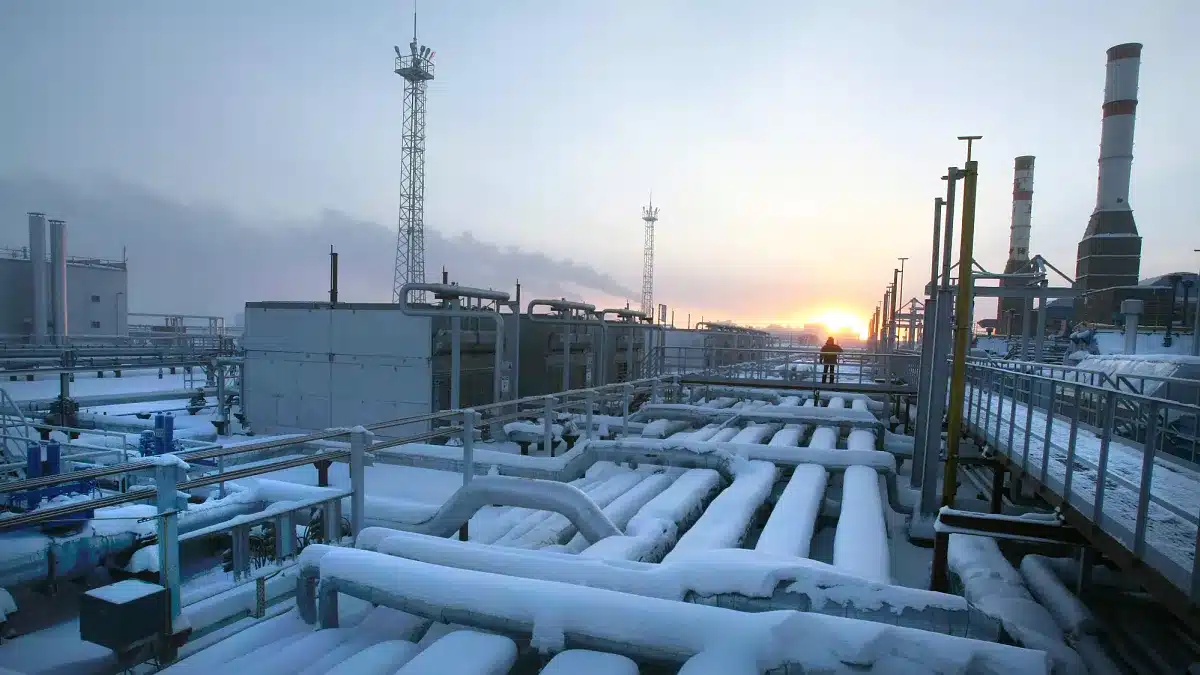
The European Union has made a decisive move to end its reliance on Russian gas by autumn 2027, a significant step in response to the ongoing conflict in Ukraine. This agreement, reached after extensive negotiations among EU institutions and member states, aims to curtail Moscow’s energy revenues and enhance Europe’s energy security. EU Energy Commissioner Dan Jorgensen celebrated the decision, emphasizing the commitment to independence from Russian energy supplies.
Details of the Agreement
Under the new plan, the EU will prohibit any new long-term gas contracts with Russian suppliers after September 30, 2027, contingent on adequate storage levels. Additionally, long-term liquefied natural gas (LNG) contracts will be phased out even earlier, starting January 1, 2027. Short-term LNG contracts will conclude by April 25, 2026, while pipeline gas contracts will end by June 17, 2026. The European Council stated that these measures are crucial to ending dependency on Russian energy, particularly following Russia’s use of gas supplies as a weapon, which has had significant repercussions on the European energy market. The agreement is pending formal approval from both the European Parliament and EU member states.
Moreover, the deal includes provisions for companies currently bound by Russian supply agreements, allowing them to terminate contracts under the “force majeure” clause once the ban is enacted. The agreement also instructs the European Commission to develop a roadmap for eliminating Russian oil imports to Hungary and Slovakia by the end of 2027. These countries had previously received exemptions when the EU reduced Russian oil purchases in 2022, with Hungary’s Prime Minister Viktor Orban expressing reluctance to change course.
Impact on Russian Gas Imports
The EU’s decision comes amid a notable decline in Russian gas imports, which have dropped significantly since 2021. Before the invasion of Ukraine, Russia supplied 45% of the EU’s imported gas. By 2024, this figure is expected to decrease to just 19%. The EU has successfully reduced pipeline deliveries and has partially compensated for this loss with LNG imports transported by sea. Currently, Russia remains the EU’s second-largest LNG supplier, following the United States, accounting for approximately 20% of LNG imports in 2024, which translates to around 20 billion cubic meters out of a total of 100 billion. This year, imports of Russian LNG are projected to reach €15 billion, underscoring the financial implications of the impending embargo.
Freezing Russian Assets for Ukraine
In addition to the gas import ban, the EU plans to utilize frozen Russian assets to support Ukraine’s economy and military efforts over the next two years. Ukraine’s budget and military needs for 2026 and 2027 are estimated to be around €130 billion (approximately $150 billion), a commitment the EU has pledged to meet. Since the onset of the war in 2022, the EU has already provided over €170 billion in support to Ukraine. However, Belgium, which holds a significant portion of these frozen assets—approximately €194 billion—has expressed reservations about using them, citing potential financial and legal risks.
Belgian Foreign Minister Maxime Prevot has described the proposal to use frozen assets for reparations as risky and unprecedented. He emphasized that Belgium is not seeking to antagonize its partners or Ukraine but aims to avoid adverse consequences for member states. In response to Belgium’s concerns, EU officials acknowledged the validity of these issues, with German Foreign Minister Johann Wadephul stating that they can be resolved through collective responsibility. Meanwhile, Belgium continues to generate tax revenue from the frozen assets, which is being used to finance a G7-backed loan program for Ukraine. The European Central Bank has raised concerns that a proposed EU reparations loan could undermine international confidence in the euro, and EU leaders are set to discuss this plan at the upcoming Brussels summit on December 18.
Observer Voice is the one stop site for National, International news, Sports, Editor’s Choice, Art/culture contents, Quotes and much more. We also cover historical contents. Historical contents includes World History, Indian History, and what happened today. The website also covers Entertainment across the India and World.

