

Energy-Saving Initiatives in Japan: The Shift from Suits to Shorts Among Tokyo Workers

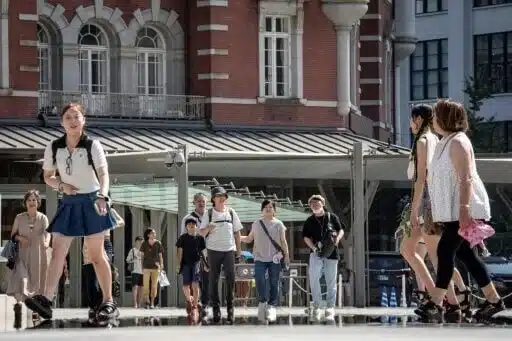
The corporate landscape in Tokyo is undergoing a significant transformation as the metropolitan government allows employees to wear shorts to work. This change aims to combat rising energy costs and promote electricity conservation during the sweltering summer months. The initiative is part of Japan’s “Cool Biz” program, which encourages lighter office attire to help mitigate the impact of extreme heat, a response to both climate conditions and geopolitical tensions affecting energy supplies.
Cool Biz Initiative Expands
The “Cool Biz” program, originally launched in 2005 by Japan’s environment ministry, has evolved to include more relaxed dress codes for office workers. Initially, the campaign encouraged employees to forgo formal jackets and ties in favor of lighter clothing, such as collared T-shirts inspired by Okinawan styles. This month, the program has been updated to officially permit shorts as part of the work attire, a move that reflects the urgent need for energy conservation amid rising costs linked to ongoing conflicts in the Middle East. A Tokyo official, who requested anonymity, noted that the anticipated energy crunch is a significant factor driving this change.
Local media have reported that the new dress code is already in effect, with images showing male employees in metropolitan offices donning T-shirts and shorts. Governor Yuriko Koike, a key supporter of the original Cool Biz initiative, has publicly endorsed the updated measures. She emphasized the importance of prioritizing comfort in work attire, suggesting options like polo shirts, T-shirts, and sneakers, while also allowing shorts depending on job responsibilities.
Addressing Energy Concerns
Governor Koike has highlighted the pressing need for energy conservation in light of Japan’s increasingly severe summers. The Japan Meteorological Agency recorded last year as the hottest since records began in 1898, with temperatures frequently exceeding 40°C. In response to these extreme conditions, the agency has introduced a formal classification for such days, labeling them “cruelly hot” or “kokusho” days. Koike’s remarks underscore the urgency of the situation, as she warned of a “severe outlook for the supply and demand of electricity.”
In addition to the relaxed dress code, the initiative will also promote teleworking and earlier office hours to further reduce energy consumption. These measures are part of a broader strategy to adapt to the changing climate and energy landscape, ensuring that employees can remain productive while also being mindful of their environmental impact.
Regional Efforts to Conserve Energy
Japan is not alone in its efforts to promote energy-saving measures among government workers. Thailand has also implemented similar initiatives, encouraging employees to take the stairs instead of elevators, wear short-sleeved shirts, and work from home when possible. Offices in Thailand have been instructed to maintain air conditioning settings between 26–27°C and to ensure that lights and electronic devices are turned off when not in use.
These regional efforts reflect a growing awareness of the need for sustainable practices in the workplace, particularly as climate change continues to pose challenges worldwide. As the Middle East conflict escalates, impacting global energy supplies, countries like Japan and Thailand are taking proactive steps to mitigate the effects of rising energy costs and extreme weather conditions on their workforces.
Observer Voice is the one stop site for National, International news, Sports, Editor’s Choice, Art/culture contents, Quotes and much more. We also cover historical contents. Historical contents includes World History, Indian History, and what happened today. The website also covers Entertainment across the India and World.

