

China’s Strategic Moves to Compete with Nvidia in the AI Chip Market

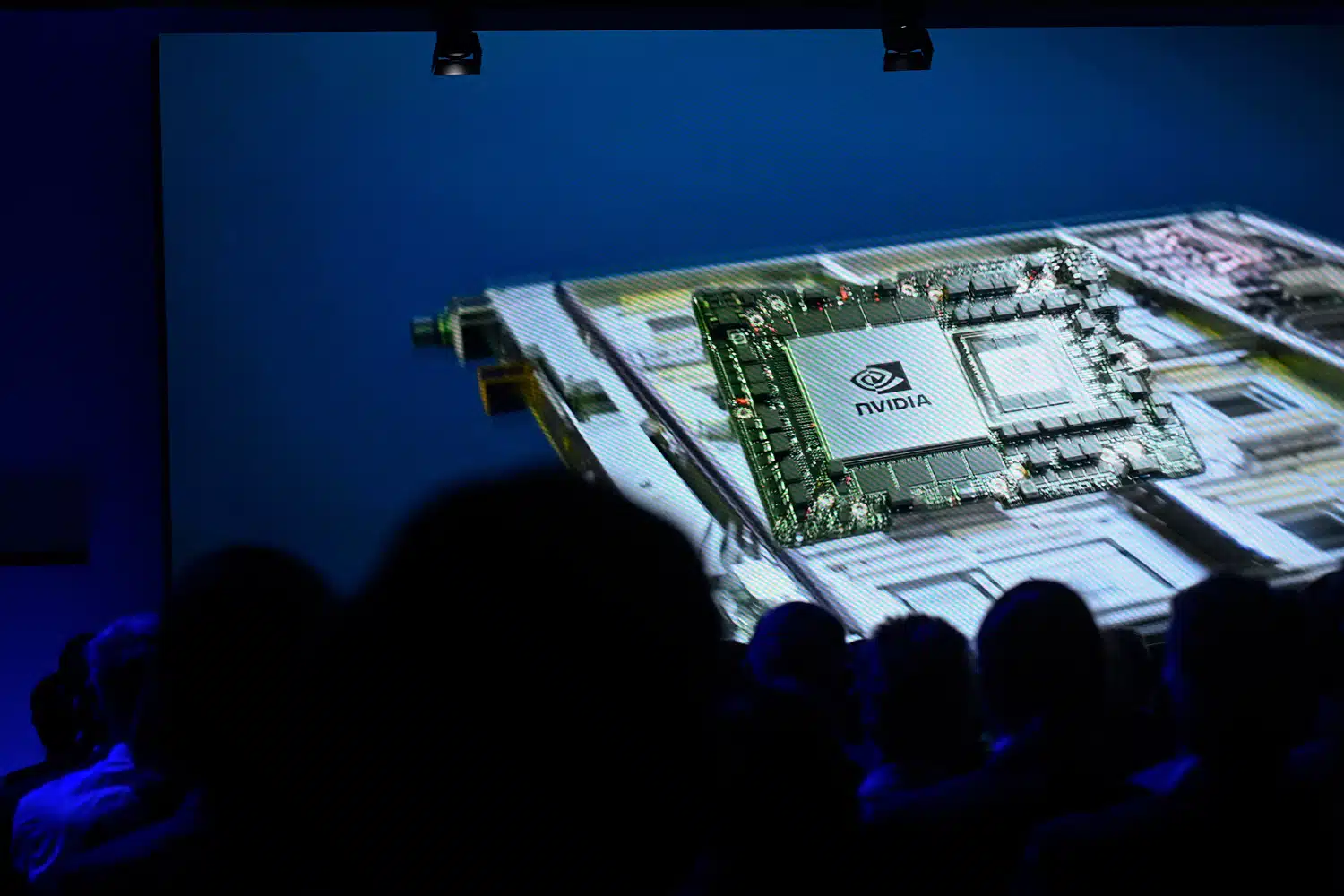
The global technology landscape is witnessing a significant shift as China intensifies its efforts to compete with the United States in the semiconductor industry. Jensen Huang, CEO of Nvidia, recently stated that China is “nanoseconds behind” the U.S. in chip development, highlighting the rapid advancements being made by Chinese tech firms. With substantial investments in artificial intelligence (AI) and robotics, China aims to reduce its reliance on imported high-end chips and establish itself as a leader in cutting-edge technology.
China’s Rising Tech Competitors
The launch of DeepSeek in 2024 marked a pivotal moment in the tech industry, as the Chinese startup introduced a competitor to OpenAI’s ChatGPT. This development not only showcased China’s growing capabilities in AI but also demonstrated its potential to disrupt established players like Nvidia. DeepSeek’s model was reportedly trained at a fraction of the cost of leading AI systems and utilized fewer high-end chips, leading to a temporary decline in Nvidia’s market value. The momentum in China’s tech sector has continued, with major companies like Alibaba and Huawei announcing new chips that rival Nvidia’s offerings. Alibaba’s latest chip is said to match the performance of Nvidia’s H20 semiconductors while being more energy-efficient, while Huawei has unveiled its most powerful chips yet, along with a strategic plan to challenge Nvidia’s dominance in the AI market.
Chinese chip developers are also securing significant contracts with domestic businesses. For instance, MetaX is providing advanced chips to state-owned telecom operator China Unicom. Additionally, Cambricon Technologies, based in Beijing, has seen its stock value double in recent months as investors anticipate benefits from China’s push for local chip production. Tencent, known for its popular WeChat app, is also aligning with government initiatives to utilize Chinese chips, further solidifying the country’s commitment to technological self-sufficiency.
Strengths and Challenges in China’s Chip Sector
Jensen Huang has acknowledged the strengths of China’s tech industry, citing its vast talent pool, intense competition, and advancements in chipmaking. He emphasized the need for the U.S. to compete vigorously to maintain its position in the global tech arena. This assessment aligns with China’s long-standing ambition to become a leader in technology, driven by significant investments in high-quality development across various sectors, including AI and renewable energy.
Despite these advancements, experts caution that Chinese chipmakers’ claims should be viewed with skepticism due to a lack of transparent data and consistent testing benchmarks. While Chinese semiconductors perform comparably to U.S. chips in predictive AI, they still lag in complex analytics. Some analysts believe that while the gap is narrowing, it may take time for China to fully catch up. The state-led approach in China, while fostering rapid growth, may also stifle innovation by focusing too heavily on collective goals rather than encouraging disruptive ideas.
China’s Strategic Position in Global Trade
China’s recent developments in the chip sector are seen as a strategic maneuver in ongoing tariff negotiations with the U.S. Experts suggest that these announcements serve as a bargaining chip, pressuring Washington to sell advanced technology or risk losing access to a significant market. Despite showcasing its advancements, China remains reliant on U.S. technology for the most powerful chips, particularly for complex AI projects. Semiconductor engineers note that while China can reduce dependence on American chips for less advanced applications, it still lacks the raw performance necessary for more sophisticated AI systems.
The U.S. has implemented export restrictions to hinder China’s progress in advanced technology, effectively targeting areas where China is most dependent. However, some analysts believe that China is not far from achieving independence in the semiconductor sector, potentially within five years. As the competition intensifies, the global tech landscape is poised for significant changes, with both nations striving for supremacy in the rapidly evolving field of artificial intelligence and chip manufacturing.
Observer Voice is the one stop site for National, International news, Sports, Editor’s Choice, Art/culture contents, Quotes and much more. We also cover historical contents. Historical contents includes World History, Indian History, and what happened today. The website also covers Entertainment across the India and World.

