

Castleman Disease: A Rare Lymph Node Disorder That Mimics Lymphoma

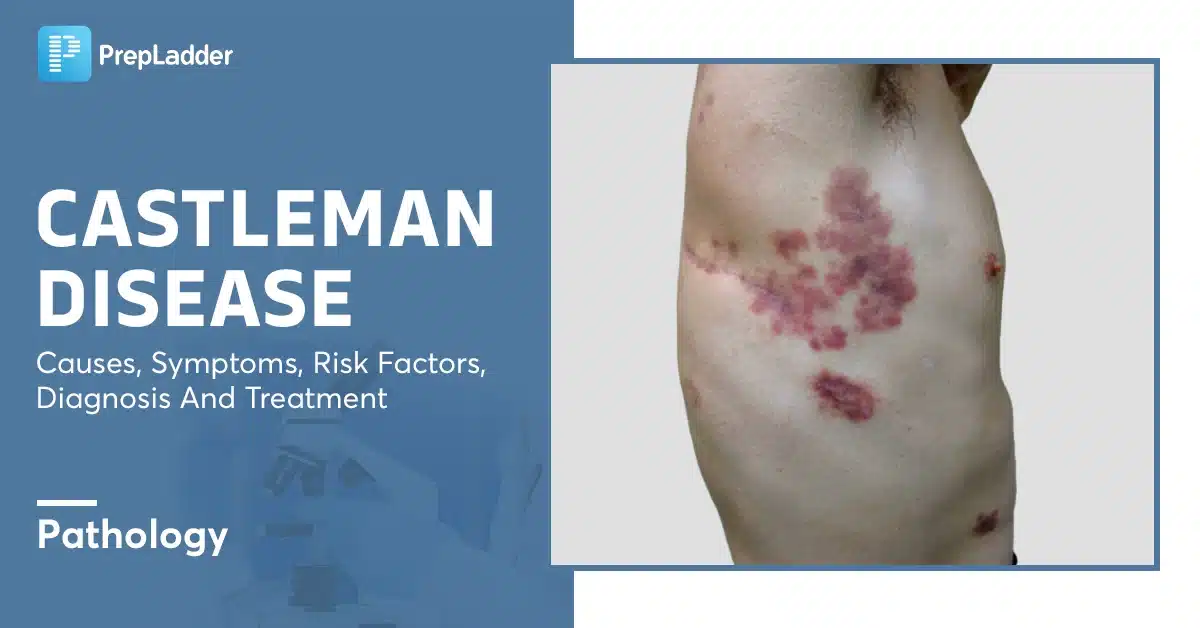
Castleman Disease is a rare lymphoproliferative disorder that causes abnormal growth of lymphoid tissue, primarily in lymph nodes throughout the body. The condition is characterized by enlarged lymph nodes and associated symptoms that can mimic lymphoma, a cancer of the lymph system. Castleman Disease affects approximately one to two people per million worldwide, making it an extremely rare disorder. The condition was first described by Benjamin Castleman in 1956 when he identified a distinctive pathological pattern in lymph node tissue. Castleman Disease is not a true cancer, but rather an abnormal proliferation of lymphoid cells that can cause serious systemic symptoms and complications. The lymphoid tissue in Castleman Disease is benign, meaning it is not malignant or cancerous, but the disease can still cause significant morbidity and mortality if not properly treated. The disease exists in different forms depending on whether it affects lymph nodes in one area of the body or throughout the body. Unicentric Castleman Disease affects lymph nodes in one area and generally has a better prognosis. Multicentric Castleman Disease affects multiple lymph node regions throughout the body and is more serious. Understanding the different types of Castleman Disease is important for diagnosis and treatment planning. With proper diagnosis and appropriate treatment, many people with Castleman Disease can go into remission or have their symptoms controlled. However, some forms of the disease are more difficult to treat and may require long-term management. Increased awareness of Castleman Disease among healthcare providers is important because early recognition and treatment lead to better outcomes.
How Does Castleman Disease Develop?
To understand Castleman Disease, we need to learn about the lymph system and how it normally functions. The lymph system is part of your immune system and includes lymph nodes, lymph vessels, and lymphoid tissue located throughout the body. Lymph nodes are small bean-shaped structures that filter lymph fluid and contain immune cells including B cells and T cells that fight infections and protect the body. Lymph nodes normally enlarge when fighting infections, but they return to normal size when the infection is cleared. In Castleman Disease, lymph nodes become abnormally enlarged and remain enlarged for prolonged periods. The excessive growth of lymphoid tissue in Castleman Disease is thought to be related to abnormal immune activation and excessive production of cytokines, which are chemical signals that control immune cell growth and activity. Specifically, increased levels of a cytokine called interleukin-6, or IL-6, play an important role in driving lymphoid proliferation in many cases of Castleman Disease. IL-6 is normally produced in small amounts to help coordinate immune responses. However, in Castleman Disease, IL-6 levels become dramatically elevated, stimulating excessive growth of lymphoid cells. Some cases of Castleman Disease are associated with infection with Human Herpesvirus 8, also called HHV-8 or Kaposi’s sarcoma-associated herpesvirus. HHV-8 infection can trigger excessive IL-6 production, leading to lymphoid proliferation. Multicentric Castleman Disease is more commonly associated with HHV-8 infection than Unicentric disease. People with HIV infection have increased risk of developing Castleman Disease associated with HHV-8. The exact reason why some people develop Castleman Disease while others with similar infections do not is not completely understood. Genetic factors and individual immune system differences likely play a role. Castleman Disease is not inherited and does not run in families. It is an acquired condition that develops during a person’s lifetime due to abnormal immune activation. The distinction between Castleman Disease and lymphoma is important. In lymphoma, malignant cancer cells grow uncontrollably. In Castleman Disease, lymphoid cells proliferate excessively but the cells are not malignant. However, there is a small risk that Castleman Disease can progress to lymphoma in some cases, particularly in people with HIV infection or HHV-8 infection.
What Are the Different Types of Castleman Disease?
Castleman Disease exists in different forms classified by disease distribution and associated features. Understanding the different types is important for diagnosis and treatment planning. Unicentric Castleman Disease is the localized form affecting lymph nodes in one area of the body, typically in the chest, abdomen, or neck. Unicentric disease accounts for about fifty percent of cases. The enlarged lymph nodes are typically found in one lymph node region, called a lymph node region or station. Symptoms are usually related to the enlarged lymph nodes compressing nearby structures or causing localized inflammation. Fever, night sweats, and fatigue are less common in unicentric disease than in multicentric disease. Weight loss is uncommon in unicentric disease. Lab abnormalities are usually absent or mild in unicentric disease. Prognosis for unicentric disease is generally favorable, with surgical removal of the affected lymph nodes often resulting in cure. However, recurrence can occur if not all affected tissue is removed. Multicentric Castleman Disease is the systemic form affecting multiple lymph node regions throughout the body. Multicentric disease accounts for about fifty percent of cases. In multicentric disease, lymph nodes in many different areas are enlarged simultaneously. Systemic symptoms are much more common in multicentric disease. Fever, night sweats, fatigue, and weight loss are typical. Hepatosplenomegaly, where the liver and spleen become enlarged, is common. Anemia and other blood abnormalities are common. Immune dysfunction may develop, leading to increased susceptibility to infections. Multicentric disease is much more serious than unicentric disease. Without treatment, multicentric disease can progress and cause life-threatening complications. Treatment is necessary to control symptoms and prevent complications. Prognosis is more variable in multicentric disease depending on response to treatment. Some cases respond well to treatment and go into remission. Others are more difficult to treat and may require long-term management. Multicentric Castleman Disease associated with HHV-8 is called HHV-8-associated Castleman Disease or HHV-8-MCD. It is more common in people with HIV infection or other immunocompromised states. HHV-8-associated disease tends to be more aggressive. Multicentric Castleman Disease not associated with HHV-8 is called idiopathic Castleman Disease or HHV-8-negative Castleman Disease. The etiology of HHV-8-negative disease is less clear. Some cases may be associated with other viruses or immune abnormalities. Treatment approaches may differ between HHV-8-associated and HHV-8-negative disease.
What Are the Main Symptoms and Signs of Castleman Disease?
The symptoms of Castleman Disease vary depending on whether it is unicentric or multicentric and on the severity of the disease. Unicentric Castleman Disease often causes few or no symptoms. The enlarged lymph nodes may be discovered incidentally on imaging done for other reasons. When symptoms do occur, they are usually related to the enlarged lymph nodes compressing nearby structures. Chest pain or discomfort may occur if the enlarged lymph nodes are in the chest. Shortness of breath may occur if the enlarged lymph nodes compress the lungs or airways. Cough may occur. Difficulty swallowing may occur if the enlarged lymph nodes are in the neck. Abdominal pain or distension may occur if the enlarged lymph nodes are in the abdomen. Gastrointestinal symptoms including nausea or constipation may occur. Weight loss may occur if the enlarged lymph nodes affect nutrition. Multicentric Castleman Disease causes more significant systemic symptoms. Fever is very common, often in the afternoon or evening. Night sweats occur frequently, sometimes so severe that clothes need to be changed. Fatigue and general malaise are typical. Weight loss is common, sometimes significant. Chills may accompany fever. Anorexia or loss of appetite is common. Lymphadenopathy, or enlargement of lymph nodes, occurs throughout the body. Multiple lymph nodes in various regions may be enlarged and palpable. Hepatosplenomegaly, or enlargement of the liver and spleen, is common. The enlarged organs may be felt on physical examination. Skin manifestations may occur, including rashes or other skin changes. Edema or swelling may occur, particularly in the legs or face, due to lymph node enlargement affecting lymph drainage. Respiratory symptoms including shortness of breath and cough may occur due to enlarged lymph nodes in the chest. Gastrointestinal symptoms including abdominal pain, nausea, vomiting, and diarrhea may occur. Neurological symptoms are rare but can occur. Peripheral neuropathy, where the peripheral nerves are affected, has been reported. Anemia and other blood abnormalities cause fatigue, shortness of breath, and pallor. Thrombocytopenia, or low platelet count, increases bleeding risk. Laboratory abnormalities in multicentric disease include elevated inflammatory markers, anemia, thrombocytopenia, and sometimes coagulation abnormalities. Hypoalbuminemia, or low blood protein levels, may develop and can cause edema. Renal involvement with abnormal kidney function can occur. Endocrinopathy affecting hormone production may occur in some cases. The symptoms of multicentric Castleman Disease are often nonspecific and similar to many other conditions, which contributes to delayed diagnosis. Distinguishing Castleman Disease from lymphoma or infection is important for proper treatment.
How is Castleman Disease Detected and Diagnosed?
Castleman Disease is diagnosed through a combination of clinical findings, imaging studies, laboratory tests, and lymph node biopsy. The diagnosis is often delayed because the condition is rare and symptoms are nonspecific. Suspicious clinical features that should raise consideration of Castleman Disease include unexplained lymphadenopathy, fever, night sweats, fatigue, and lab abnormalities. A family history of similar disease or unusual lymph node disorders may raise suspicion. Clinical examination may reveal enlarged lymph nodes that are palpable on physical examination. The liver and spleen may be enlarged. Skin changes or edema may be present. Imaging studies including CT scan of the chest, abdomen, and pelvis help identify enlarged lymph nodes and involved organs. PET scan may show increased metabolic activity in lymph nodes, though this can also occur in lymphoma. The imaging pattern may help suggest Castleman Disease rather than lymphoma. Blood tests reveal characteristic abnormalities. Hemoglobin and hematocrit may be low indicating anemia. Platelet count may be low. Inflammatory markers including C-reactive protein and erythrocyte sedimentation rate are typically elevated. Albumin may be low. Kidney function may be abnormal. Liver function tests may be abnormal. IL-6 levels are often elevated, particularly in multicentric disease. Immunoglobulin levels may be abnormal. HHV-8 testing should be done as HHV-8 seropositivity affects diagnosis and treatment decisions. HIV testing should be done as HIV-positive status affects disease severity and treatment. Lymph node biopsy is essential for definitive diagnosis. A biopsy sample is taken from an enlarged lymph node and examined under a microscope by a pathologist. Histopathology shows characteristic findings that distinguish Castleman Disease from lymphoma and other conditions. In Castleman Disease, the pathology shows specific patterns including hyaline-vascular pattern, plasma cell pattern, or mixed pattern depending on the case. Genetic testing may be done to look for PARCC1 mutations which are present in some cases of idiopathic multicentric Castleman Disease. Flow cytometry analysis of blood and lymph node tissue can help distinguish Castleman Disease from lymphoma by showing the normal architecture of lymph nodes without frank malignant transformation. Bone marrow biopsy may be done if marrow involvement is suspected. Early diagnosis is important so that appropriate treatment can be started before complications develop. Diagnostic delay is common because Castleman Disease is rare and not always considered in differential diagnosis of lymphadenopathy.
What Health Problems Do People with Castleman Disease Face?
People with Castleman Disease, particularly those with multicentric disease, face serious health complications that require careful medical management. The complications are related to the lymphoid proliferation, systemic inflammation, and effects of enlarged lymph nodes on organ function. Organ compression is a major problem with enlarged lymph nodes compressing vital structures. Enlarged lymph nodes in the chest can compress the lungs, causing shortness of breath and respiratory compromise. Lymph nodes can compress the esophagus, causing difficulty swallowing. Lymph nodes can compress blood vessels, affecting blood flow. Lymph nodes can compress the spinal cord, causing neurological symptoms. Bowel obstruction can occur from abdominal lymph nodes. Symptoms from compression depend on the location and size of enlarged lymph nodes. Anemia develops due to suppressed bone marrow function and chronic disease. Severe anemia causes fatigue, shortness of breath, and reduced ability to function. Transfusions may be needed for severe anemia. Thrombocytopenia, or low platelet count, increases bleeding risk. Spontaneous bleeding or easy bruising may occur. Intracranial bleeding is a serious risk. Infection is a major complication due to immune dysfunction. The abnormal immune activation in Castleman Disease impairs normal immune function. Patients are at increased risk of bacterial, viral, and opportunistic infections. Respiratory infections are common and can be severe. Opportunistic infections including Pneumocystis pneumonia are a risk, particularly in HHV-8-positive disease. Sepsis from overwhelming infection can occur. Kidney disease develops in some cases through a process called MPGN, membranoproliferative glomerulonephritis. Kidney failure may develop requiring dialysis or transplantation. Proteinuria or blood in urine indicates kidney involvement. Liver dysfunction may occur from the disease process or viral infection. Coagulation abnormalities can develop, including thrombosis and bleeding. Deep vein thrombosis, pulmonary embolism, and disseminated intravascular coagulation are serious complications. Malignant transformation to lymphoma occurs in a small percentage of cases. The risk is higher in HHV-8-positive disease and in people with HIV infection. Splenectomy, surgical removal of the spleen, is sometimes needed but removes an important immune organ. Post-splenectomy complications including severe infections can occur. Autoimmune phenomena including autoimmune hemolytic anemia and thrombocytopenia can occur. Endocrinopathy or hormone abnormalities can develop. Neuropathy affecting peripheral nerves has been reported. Amphetamine-like syndrome with amphetamine-induced symptoms has been reported in some cases. Castleman Disease-associated multicentric disease can be life-threatening without appropriate treatment. Mortality rates vary depending on disease severity and response to treatment. With appropriate treatment, many people with Castleman Disease can achieve remission or stable disease with good long-term outcomes.
What Treatments Help People with Castleman Disease?
Treatment for Castleman Disease depends on whether the disease is unicentric or multicentric and what type of disease is present. Different treatment approaches are used for different types of disease. Unicentric Castleman Disease is often treated with surgery. Surgical excision, or removal, of the affected lymph nodes is the primary treatment. Complete resection of all involved tissue often results in cure. Recurrence can occur if not all affected tissue is removed, requiring repeat surgery or other treatment. Some cases of unicentric disease may be monitored without treatment if they are asymptomatic and not causing compression of vital structures. Radiation therapy is sometimes used for unicentric disease if surgery is not feasible or if there is recurrence after surgery. Radiation can shrink the lymph nodes and relieve symptoms. Corticosteroids such as prednisone can be used to reduce inflammation and shrink lymph nodes. Systemic corticosteroids may be used as primary treatment or as adjunctive therapy. Multicentric Castleman Disease requires systemic treatment. Corticosteroids are often used initially to control symptoms and inflammation. However, corticosteroids alone may not provide long-term disease control. Cytotoxic chemotherapy has been used traditionally to treat multicentric disease. Chemotherapy regimens including combination regimens with multiple drugs can be effective. However, chemotherapy has significant side effects and toxicity. Rituximab, a monoclonal antibody targeting B cells, has become an important treatment for multicentric Castleman Disease. Rituximab reduces B cell numbers and can reduce IL-6 production. Clinical trials have shown rituximab to be effective in inducing remission in many patients. Siltuximab, a monoclonal antibody against IL-6, is specifically approved for treatment of multicentric Castleman Disease. Siltuximab blocks IL-6, which drives lymphoid proliferation. Clinical trials showed siltuximab to be effective in improving symptoms and disease control. Copanlisib, a phosphoinositide 3-kinase inhibitor, was approved for multicentric Castleman Disease and targets T cells. For HHV-8-associated Castleman Disease, antiviral therapy with antiviral agents like valganciclovir or foscarnet can suppress HHV-8 replication and may improve disease control. Combination therapy with antivirals and other agents is often used. Immune reconstitution with antiretroviral therapy is crucial for people with HIV-associated Castleman Disease. ART helps restore immune function and improves response to other treatments. Combination therapy with rituximab and other agents is often used for HHV-8-positive disease. Maintenance therapy is often necessary to prevent disease relapse. Some patients can eventually discontinue treatment after achieving sustained remission. Others require long-term treatment to maintain disease control. Regular monitoring with imaging, labs, and clinical assessment is necessary to assess treatment response and detect complications. New treatments continue to be developed and studied in clinical trials. Gene therapy and cellular therapy approaches are being researched as potential future treatments.
Living with Castleman Disease
Living with Castleman Disease presents significant challenges related to the disease itself, its treatments, and the unpredictable nature of the condition. For people newly diagnosed with Castleman Disease, the diagnosis can be overwhelming. Learning about a rare, potentially serious lymphoid disorder is frightening. However, understanding the condition and beginning appropriate treatment offers hope that disease can be controlled or cured. Patient education about the disease, types, symptoms, and treatment options helps people become informed participants in their care. For people with unicentric disease who undergo surgical resection, recovery from surgery is the primary focus. Post-operative pain and fatigue require time for healing. Gradual return to normal activities is advised. Long-term follow-up is important to monitor for recurrence. Some people with unicentric disease are cured by surgery and have no further disease. Others experience recurrence requiring additional treatment. For people with multicentric disease, treatment with chemotherapy or targeted biologic therapy is necessary. Treatment side effects can be significant and challenging to manage. Nausea, hair loss, fatigue, and immunosuppression are common with chemotherapy. Biologic therapies have fewer side effects in many cases but still require careful monitoring. Regular infusions or injections of treatment require frequent hospital or clinic visits. This is time-consuming and disruptive to work and normal life. Work and school adjustments are often necessary during treatment. Many people cannot work full-time while undergoing treatment. Disability support may be necessary. School-age people may need educational accommodations for absences and limitations during treatment. Frequent medical appointments for treatment, monitoring, and management of side effects consume significant time. Lab tests and imaging studies are done regularly to assess disease response. Coordination of care with oncology, immunology, and other specialists is necessary. Mental health challenges including anxiety, depression, and fear about disease progression and treatment are common. Counseling and sometimes medication help address mental health issues. Support groups for people with Castleman Disease provide community and practical advice. Family relationships are affected by the diagnosis and treatment demands. Caregiving responsibilities fall on family members. Emotional support and communication help families cope. Infections are a significant risk, particularly during treatment when immune function is suppressed. Careful infection prevention through hygiene, vaccinations when possible, and monitoring for signs of infection is important. Infections can become serious quickly and require prompt medical attention. Nutritional support is important as treatment side effects and disease can affect appetite and nutrition. Dietary modifications and sometimes nutritional supplements help maintain nutrition. Fatigue is a major challenge both from the disease and from treatment. Pacing activities to avoid excessive fatigue while maintaining some activity helps maintain function. Adequate rest and sleep are important. Social isolation can occur due to frequent medical appointments, side effects of treatment, and immunosuppression limiting activities. Maintaining relationships and social connections within limitations is important for mental health. With appropriate medical treatment, monitoring, supportive care, mental health support, and family support, most people with Castleman Disease can achieve disease control and maintain quality of life. Some people achieve cure, while others manage long-term chronic disease.
Frequently Asked Questions About Castleman Disease
FAQ 1: Is Castleman Disease cancer or lymphoma? Castleman Disease is not cancer, but it is often mistaken for lymphoma because the presentation can be similar. Both involve enlarged lymph nodes and systemic symptoms. However, Castleman Disease is a benign lymphoproliferative disorder, not a malignant cancer. In Castleman Disease, the lymphoid cells proliferate excessively but are not malignant cancer cells. In lymphoma, malignant cancer cells grow uncontrollably. However, there is a small risk that Castleman Disease can progress to lymphoma in some cases, particularly in people with HHV-8 infection or HIV infection. Proper diagnosis through lymph node biopsy is important to distinguish Castleman Disease from lymphoma, as treatment approaches are very different. The prognosis and treatment differ significantly between these conditions.
FAQ 2: Can Castleman Disease be cured? Unicentric Castleman Disease can often be cured by surgical removal of the affected lymph nodes. If all involved tissue is completely resected, the disease may not recur. However, recurrence can occur if any affected tissue remains, requiring additional treatment. Multicentric Castleman Disease is more difficult to treat and usually cannot be cured completely, though remission of symptoms is possible with appropriate treatment. Some people achieve sustained remission after treatment and can discontinue medications. Others require long-term maintenance treatment to keep the disease under control. The prognosis depends on disease severity, type of disease, and response to treatment. With modern treatments including targeted biologic therapies, many people with multicentric disease can achieve good control and maintain good quality of life.
FAQ 3: Is Castleman Disease inherited and does it run in families? Castleman Disease is not inherited and does not run in families. It is an acquired condition that develops during a person’s lifetime due to abnormal immune activation. However, HHV-8 infection, which is associated with some cases of Castleman Disease, can be transmitted through contact or blood exposure. People with compromised immune systems including those with HIV infection are at higher risk of developing HHV-8-associated Castleman Disease. Genetic factors may influence susceptibility to developing Castleman Disease, but inheritance of Castleman Disease itself does not occur. Family members do not need genetic counseling regarding inheritance risk.
FAQ 4: What is the life expectancy for people with Castleman Disease? Life expectancy depends on the type of Castleman Disease and response to treatment. For people with unicentric Castleman Disease treated with surgery, prognosis is generally excellent with near-normal life expectancy. For people with multicentric Castleman Disease, outcomes vary. Without treatment, multicentric disease can be life-threatening with significant mortality. With appropriate treatment, many people achieve good disease control and have normal or only slightly shortened life expectancy. Some people develop serious complications including kidney failure, infections, or malignant transformation that can affect life expectancy. Overall, life expectancy has improved significantly with modern treatments including targeted biologic therapies. With access to appropriate treatment and good medical care, most people with Castleman Disease can live many years with the disease.
FAQ 5: Are there new treatments being developed for Castleman Disease? Yes, there is ongoing research into new treatments for Castleman Disease. Gene therapy approaches are being studied to see if abnormal lymphoid cells could be corrected. CAR-T cell therapy, where T cells are engineered to target and kill abnormal cells, is being researched. Checkpoint inhibitor therapy that enhances immune function is being studied. New monoclonal antibodies targeting different cytokines or immune cells are in development. Better understanding of the mechanisms driving Castleman Disease is leading to development of more specific targeted treatments. Clinical trials of new treatments are ongoing. People with Castleman Disease should discuss participation in clinical trials with their doctors. As new treatments are developed and studied, outcomes for people with Castleman Disease will likely improve.
References and Further Reading
For more information about Castleman Disease, you can visit several trusted and authoritative sources that provide detailed information for patients and families dealing with this rare lymphoproliferative disorder. The World Health Organization at WHO.int provides comprehensive information about rare lymphoid disorders and lymphoproliferative diseases including Castleman Disease. The Castleman Disease Collaborative Network at CastlemanDisease.org offers excellent patient education, family resources, support communities, information about treatments and research, and updates about new clinical trials and developments in Castleman Disease care. MedlinePlus, a service of the National Library of Medicine at MedlinePlus.gov, has detailed medical information about Castleman Disease written in language that patients and families can easily understand without specialized medical knowledge. The National Institutes of Health at NIH.gov provides scientific information about Castleman Disease research, ongoing clinical trials seeking participants, and the latest discoveries being made by scientists studying lymphoproliferative disorders. The Genetic and Rare Diseases Information Center at GARD.NIH.gov provides reliable medical information about Castleman Disease and helps connect patients and families to oncologists, hematologists, immunologists, and communities of others managing the condition. The five main reference links are: 1) WHO.int – Rare Lymphoproliferative Disorders, 2) Castleman Disease Collaborative Network, 3) MedlinePlus – Castleman Disease, 4) National Institutes of Health, and 5) Genetic and Rare Diseases Information Center.
Disclaimer
This article adapts publicly available information from WHO’s Castleman Disease and rare lymphoproliferative disorder information pages. This content is for informational and educational purposes only and does not constitute medical advice. ObserverVoice.com is a news and information platform — not a healthcare provider. If you or someone you know has been diagnosed with Castleman Disease or shows signs of this condition including enlarged lymph nodes, fever, night sweats, fatigue, weight loss, or abnormal blood work, please consult immediately with qualified healthcare professionals, oncologists, hematologists, and lymphoid disorder specialists for proper diagnosis, lymph node biopsy if indicated, HHV-8 and HIV testing, imaging evaluation, and appropriate treatment planning. For more information, visit WHO.int and ObserverVoice.com.
Observer Voice is the one stop site for National, International news, Sports, Editor’s Choice, Art/culture contents, Quotes and much more. We also cover historical contents. Historical contents includes World History, Indian History, and what happened today. The website also covers Entertainment across the India and World.

