

Blood Transfusion Safety: A Global Health Imperative

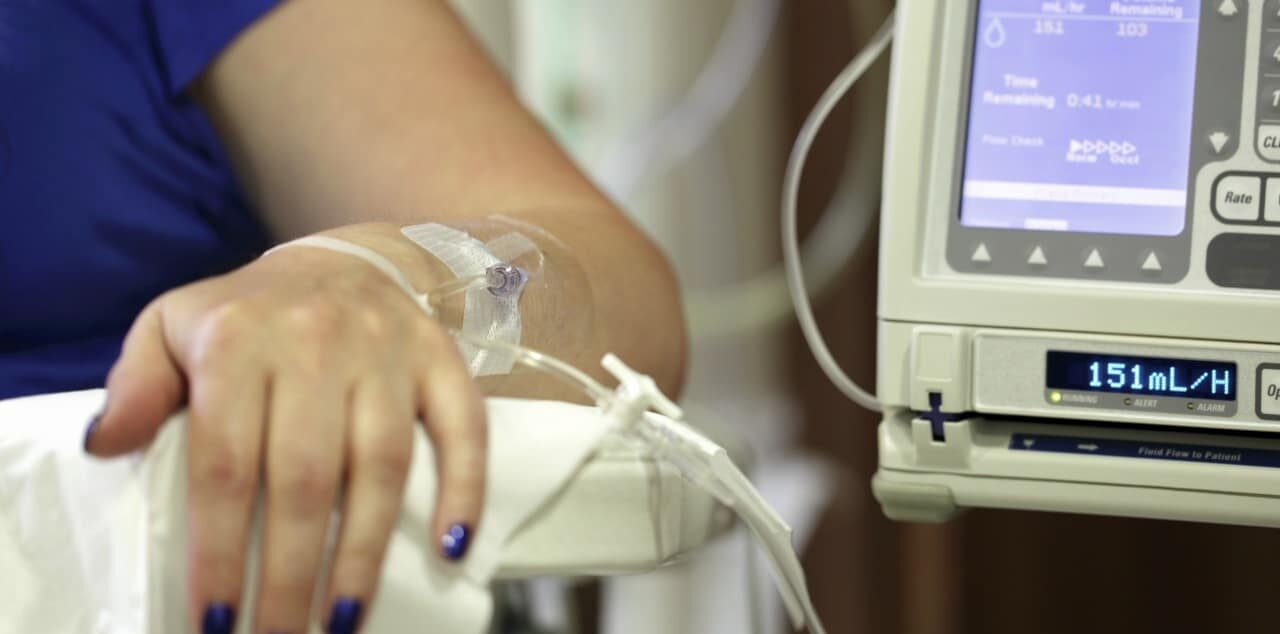
Blood transfusions are among the most fundamental interventions in modern healthcare, yet they remain inaccessible to millions worldwide who desperately need them. Each year, nearly 120 million units of blood are donated globally, supporting patients with life-threatening conditions ranging from severe anemia to complications during childbirth and major surgical procedures. However, despite this substantial volume, the global need far exceeds the available supply, and significant disparities in access persist between wealthy and resource-limited countries. Beyond the challenge of supply, ensuring that donated blood is safe for recipients represents a complex undertaking requiring robust systems, quality standards, and international coordination. The World Health Organization emphasizes that maintaining safe and effective procedures around blood collection, storage, and transfusion—collectively known as haemovigilance—is essential for any functional healthcare system.
The Global Blood Supply Challenge
The distribution of blood donation worldwide reveals stark inequalities in healthcare capacity and resources. Of the nearly 120 million units of blood collected annually, 42 percent come from high-income countries, which account for only 16 percent of the global population. This concentration reflects both higher donation rates in wealthy nations and greater infrastructure for blood collection and processing. Meanwhile, low- and middle-income countries, which collectively serve over 84 percent of the world’s population, struggle with insufficient blood supplies to meet patient needs.
A particularly troubling consequence of this imbalance is that patients requiring transfusions in resource-limited settings often face life-threatening delays or go without necessary treatment. Many avoidable deaths occur annually due to the unavailability of timely, safe blood transfusions. Compounding this challenge is the reality that blood cannot be stored indefinitely. Red blood cells have a shelf life of approximately 35 to 42 days, and other components have even shorter viability periods. This biological limitation means that countries must maintain a continuous supply of blood through regular donations—a requirement that demands well-organized national blood systems and sustained public engagement.
Addressing Global Donation Disparities
The World Health Organization advocates for the development of national blood systems based on unpaid volunteer donors, as this population tends to have significantly fewer bloodborne infections compared to family or paid donors. Volunteer donation programs reduce disease transmission risks and promote the principle of altruistic giving. Yet many countries continue to receive less than half of their blood supply from unpaid volunteers, with substantial portions dependent on family donations and paid donors—an approach that introduces higher disease transmission risks.
Interestingly, demographic patterns reveal a nuanced picture: young people in low- and middle-income countries donate blood at rates comparable to or exceeding those in high-income countries, suggesting that volunteer engagement and public health messaging initiatives could strengthen donation systems in resource-limited settings. Strengthening these systems requires investment in recruitment campaigns, improved donation facilities, and community engagement programs that emphasize the critical need for safe blood supplies.
Blood Processing and Multiple Uses
Modern blood banking extends far beyond whole blood transfusions. Through sophisticated processing techniques, a single unit of donated blood can be separated into plasma, red cell concentrates, platelet concentrates, and other components, each serving specific clinical purposes. This capability—the “transfusion train”—allows one unit of donated blood to potentially meet the needs of multiple patients, maximizing the benefit from each donation and partially offsetting supply limitations.
However, this advanced processing capability remains concentrated in wealthier nations. Only 50 of 173 reporting countries produce plasma-derived medicinal products domestically, meaning that many nations depend on imports of processed blood products. This dependency creates vulnerabilities in healthcare security and underscores the importance of capacity building in blood processing technology across all regions.
The Safety Challenge: Disease Screening and Testing
While blood collection rates represent one critical challenge, ensuring the safety of collected blood presents equally significant obstacles. Transfusion-transmissible infections, particularly HIV, hepatitis B, hepatitis C, and syphilis, pose serious risks to recipients if donated blood is not adequately screened before transfusion. Yet substantial gaps exist in the ability of many healthcare systems to perform reliable, quality-standard testing on blood donations.
The testing infrastructure challenge is particularly acute in low-income regions, where the irregular supply of diagnostic testing kits creates bottlenecks in screening processes. When blood cannot be tested according to established quality standards, the risk of transmitting infectious diseases to recipients increases dramatically, potentially compromising patient outcomes and straining already-limited healthcare resources. Some countries lack the financial resources, technical expertise, or laboratory infrastructure necessary to implement comprehensive screening protocols. This situation creates a vicious cycle: unscreened blood introduces infections into the healthcare system, which further complicates patient management and diverts resources from prevention and treatment.
Haemovigilance: The Comprehensive Safety Framework
Haemovigilance represents the entire system of procedures and monitoring activities that ensure blood safety throughout the transfusion chain—from initial donor screening through blood collection, processing, storage, and final patient transfusion. This framework standardizes practices, minimizes errors, and enables rapid identification and response to adverse events. Effective haemovigilance includes:
Donor Selection and Screening: Comprehensive medical histories and risk assessments identify individuals who may pose transmission risks. Health screening questions address factors such as travel history, tattoos, recent vaccinations, and potential exposures to infectious diseases.
Laboratory Testing: Serological and nucleic acid testing detect evidence of bloodborne pathogens. Modern testing algorithms employ multiple methods to maximize sensitivity and specificity.
Quality Control: Blood establishments maintain rigorous quality systems encompassing collection equipment, storage temperature monitoring, sterility verification, and labeling accuracy.
Documentation and Traceability: Complete records track each unit of blood from donation through transfusion, enabling rapid identification and quarantine of potentially contaminated units if problems emerge.
Adverse Event Monitoring: Systems capture and investigate transfusion reactions, infections, and other complications, enabling continuous improvement of processes.
Clinical Applications and Patient Needs
Blood transfusions address diverse clinical scenarios. Patients with severe anemia benefit from red cell concentrate transfusions that restore oxygen-carrying capacity. Pregnant women experiencing obstetric hemorrhage require immediate blood product replacement to maintain hemodynamic stability. Trauma patients with massive bleeding need rapid transfusion protocols. Surgical patients undergoing complex procedures may require blood products to replace operative losses. Additionally, patients with chronic conditions such as sickle cell disease and thalassemia require regular transfusions, while those with clotting disorders receive plasma or platelet products derived from donated blood.
The diversity of these applications underscores why maintaining safe, adequate blood supplies represents a cornerstone of any functioning healthcare system. Without reliable access to safe transfusions, mortality rates from conditions that are otherwise manageable increase substantially.
Moving Forward: The Global Imperative
Achieving universal access to safe, effective blood transfusions requires coordinated action across multiple domains. Countries must invest in national blood center infrastructure, strengthen regulatory systems, expand testing capacity, develop professional training programs, and implement quality assurance protocols. The WHO provides technical guidance and maintains global databases on blood safety, supporting countries in building and strengthening their systems. International cooperation through blood product sharing agreements and knowledge exchange can help distribute resources more equitably.
Blood transfusion safety is not merely a technical healthcare concern—it reflects fundamental principles of health equity and social justice. Every person, regardless of geographic location or economic circumstances, deserves access to safe blood products when their life depends on it. Achieving this vision requires sustained commitment, investment, and international solidarity.
Frequently Asked Questions (FAQs)
1. What makes blood donation unsafe, and how is it screened?
Donated blood can carry infectious diseases if the donor unknowingly harbors pathogens such as HIV, hepatitis B, hepatitis C, or syphilis. Blood safety screening involves comprehensive medical questioning about risk factors—including travel history, recent tattoos, and potential exposures—combined with laboratory testing. Modern blood banks employ serological tests (detecting antibodies and antigens) and nucleic acid testing (detecting viral nucleic acids directly) to identify potential infections. However, testing gaps exist in many low-income countries due to limited access to testing kits and laboratory infrastructure, creating significant safety challenges.
2. Why are volunteer donors considered safer than paid or family donors?
Statistical data consistently demonstrates that unpaid volunteer donors have lower rates of bloodborne infections compared to family or paid donors. Paid donors may face financial incentives to donate despite having risk factors or active infections. Family donors may underreport health information due to social pressure or desire to help relatives. Volunteer donors, motivated by altruism, tend to be more truthful in health screening and generally represent lower-risk populations. The WHO strongly advocates for volunteer-based blood systems as a cornerstone of safe blood supply strategies.
3. How long can blood be stored, and why does this matter?
Red blood cells can typically be stored for 35 to 42 days at controlled temperatures, while platelets have a much shorter shelf life of only 5 to 7 days, and plasma can be frozen for extended periods. This limited storage period means blood is a perishable resource requiring constant replenishment through ongoing donation programs. Countries cannot stockpile blood indefinitely; they must maintain consistent donor recruitment and collection to ensure supply meets patient demand. This biological reality creates ongoing pressure on blood services and underscores the importance of sustainable, well-organized donation systems.
4. What is haemovigilance, and why is it important?
Haemovigilance is the comprehensive system of procedures, monitoring, and quality controls that ensure blood safety throughout the entire transfusion chain—from donor screening through blood collection, processing, storage, transport, and final patient transfusion. It encompasses donor selection protocols, laboratory testing standards, quality assurance measures, documentation systems, and adverse event monitoring. Haemovigilance standardizes practices across blood establishments, minimizes errors, enables rapid identification of problems, and allows continuous improvement. Effective haemovigilance is essential for maintaining public trust in blood products and protecting patient safety.
5. How does blood transfusion safety differ between high-income and low-income countries?
High-income countries typically maintain comprehensive infrastructure for blood collection and processing, implement rigorous testing protocols, have reliable access to diagnostic kits, employ trained personnel, and operate under strict regulatory oversight. Low-income countries often face challenges including limited blood collection facilities, inability to consistently screen for all major pathogens, irregular access to testing supplies, shortage of trained technicians, and limited regulatory capacity. Consequently, transfusion-transmitted infections occur more frequently in low-income settings. This disparity reflects broader healthcare inequities and represents a critical area where international support and capacity building could save lives.
Observer Voice is the one stop site for National, International news, Sports, Editor’s Choice, Art/culture contents, Quotes and much more. We also cover historical contents. Historical contents includes World History, Indian History, and what happened today. The website also covers Entertainment across the India and World.

