

Blastomycosis: The Underdiagnosed Fungal Infection That Mimics Pneumonia

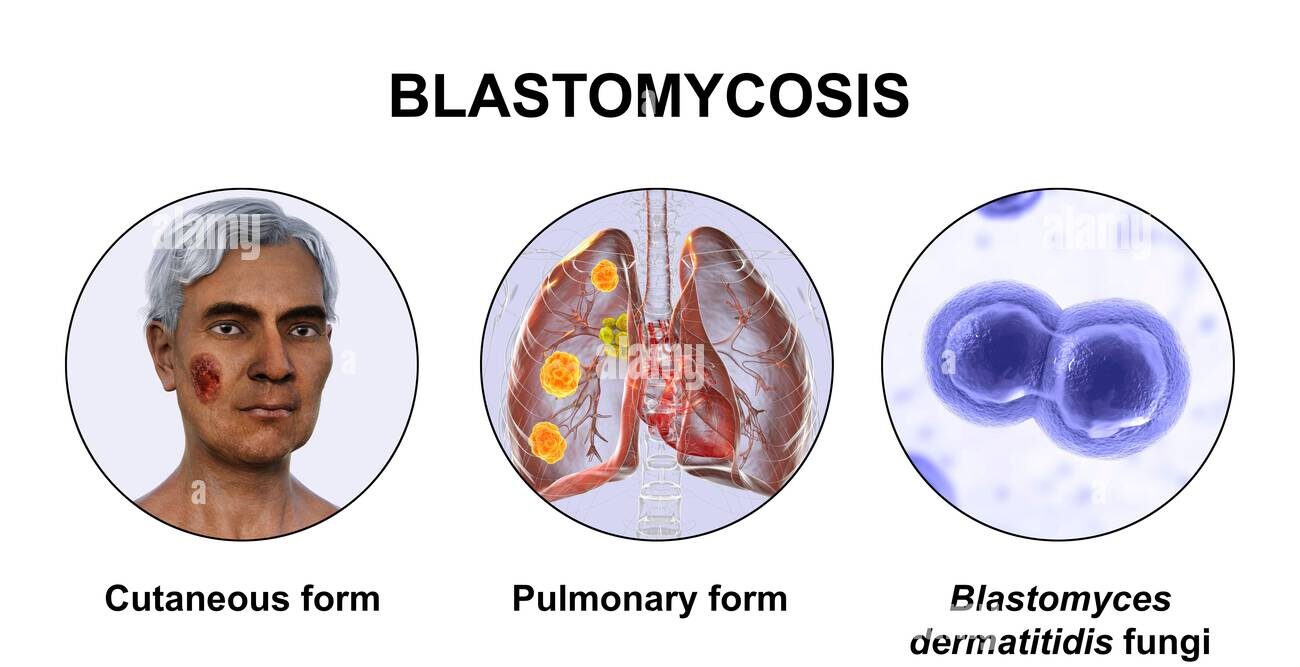
Blastomycosis is a fungal infection that primarily affects the lungs. It comes from Blastomyces fungus, found in moist soil and decaying organic matter. This infection frequently gets mistaken for bacterial pneumonia during initial evaluation.
This misdiagnosis happens partly because blastomycosis remains relatively rare overall. Doctors unfamiliar with this fungus often consider more common illnesses first. Understanding why this confusion happens helps explain persistent underdiagnosis.
Why Blastomycosis Looks So Much Like Pneumonia
Both conditions cause cough, fever, and chest discomfort in similar ways. Chest X-rays can also show overlapping patterns between these two illnesses. This similarity explains why doctors frequently treat for pneumonia before considering blastomycosis.
How Blastomycosis Spreads
People become infected by inhaling fungal spores released from disturbed soil. Activities like digging, construction, or hunting near wooded, wet areas release these spores. Once airborne, these spores travel easily into the respiratory system.
This infection doesn’t spread between people or pets under normal circumstances. Environmental exposure remains the only meaningful transmission route. This characteristic significantly differs from typical contagious respiratory illnesses.
Common Locations Where Exposure Occurs
Blastomycosis concentrates particularly in the Great Lakes region and parts of the Mississippi River valley. Areas near rivers, lakes, and decaying wood frequently harbor this fungus. Outdoor activities in these specific regions increase exposure risk considerably.
Why Dogs Often Get Diagnosed First
Dogs frequently develop blastomycosis before their owners even suspect human exposure. Veterinarians sometimes identify this infection in pets, prompting human testing afterward. This pattern occasionally helps speed up otherwise delayed human diagnosis.
Recognizing the Symptoms
Blastomycosis symptoms often closely resemble bacterial pneumonia initially. Fever, cough, and chest pain represent common early symptoms. Many patients also experience fatigue and unexplained weight loss.
Unlike typical pneumonia, blastomycosis symptoms often persist despite standard antibiotic treatment. This lack of improvement frequently signals doctors toward reconsidering the diagnosis. Some patients also develop skin lesions or joint pain as the infection progresses.
Why Lack of Antibiotic Response Provides an Important Clue
Standard antibiotics target bacteria, not fungal infections like blastomycosis. When pneumonia symptoms don’t improve with antibiotics, this resistance becomes significant. This pattern should prompt doctors to consider fungal causes more seriously.
Symptoms Beyond the Lungs
Some patients develop skin ulcers or nodules as infection spreads beyond the lungs. Bone and joint pain can also occur in more disseminated cases. These additional symptoms, while less common, help distinguish blastomycosis from typical pneumonia.
Why This Infection Remains Underdiagnosed
Limited awareness among healthcare providers contributes significantly to delayed diagnosis. Many doctors practice outside regions where blastomycosis commonly occurs. This unfamiliarity makes fungal infection a less obvious initial consideration.
Additionally, standard pneumonia testing doesn’t typically screen for fungal causes. Without specific fungal testing, blastomycosis simply goes undetected initially. This diagnostic gap explains much of the ongoing underdiagnosis problem.
Why Standard Testing Often Misses This Diagnosis
Routine respiratory infection workups primarily focus on bacterial and viral causes. Fungal-specific testing requires deliberate consideration based on symptom pattern and exposure history. Without this targeted approach, blastomycosis frequently remains unidentified.
How Doctors Diagnose Blastomycosis
Diagnosis typically begins with a detailed history, including regional residence or outdoor activities. Doctors specifically ask about exposure to soil, water, or wooded areas. This exposure history significantly supports appropriate, targeted testing.
Specific fungal cultures or antigen tests confirm Blastomyces infection definitively. Chest imaging helps assess lung involvement alongside these specific tests. Combining these results with persistent, antibiotic-resistant symptoms confirms accurate diagnosis.
Why Persistent Symptoms Should Prompt Further Testing
Pneumonia symptoms lasting beyond expected antibiotic treatment timelines deserve further investigation. This persistence represents a key clue suggesting possible fungal infection instead. Recognizing this pattern helps guide more appropriate, timely testing decisions.
Treatment Options for Blastomycosis
Mild cases sometimes resolve without specific antifungal treatment, though monitoring remains important. Most symptomatic cases, however, require antifungal medication for effective resolution. Itraconazole represents a commonly prescribed antifungal for typical blastomycosis cases.
Severe or disseminated cases require more intensive antifungal treatment, sometimes through intravenous medication. Treatment duration varies considerably, sometimes lasting six months or longer. Most patients respond well once appropriate antifungal therapy begins.
Why Treatment Duration Extends So Long
Blastomyces fungus requires sustained antifungal exposure for complete elimination from the body. Shorter treatment courses risk incomplete resolution and potential symptom recurrence. This extended timeline reflects the infection’s persistent, deeply rooted nature.
Preventing Blastomycosis Exposure
Avoiding unnecessary soil disturbance near wooded, wet areas reduces infection risk somewhat. Wearing protective masks during activities like digging or construction offers additional protection. This precaution proves especially valuable in known endemic regions.
Awareness of regional risk helps guide appropriate outdoor activity precautions. Discussing unexplained respiratory symptoms with healthcare providers, including potential exposure, supports earlier diagnosis. These combined strategies help address both prevention and timely recognition.
Final Thoughts on Blastomycosis
Blastomycosis illustrates how a fungal infection can hide convincingly behind common pneumonia symptoms. Understanding regional risk and recognizing antibiotic-resistant patterns helps improve diagnostic accuracy. Most people recover fully with appropriate, timely antifungal treatment.
If respiratory symptoms persist despite antibiotic treatment, ask your doctor about fungal testing specifically. Mentioning relevant outdoor exposure helps guide this important consideration. With proper diagnosis and treatment, most people recover successfully from blastomycosis.
Frequently Asked Questions
Can blastomycosis spread between people or from pets?
No, blastomycosis doesn’t spread between people or directly from infected pets. Infection requires inhaling fungal spores from contaminated soil independently. This makes environmental exposure the only meaningful transmission route.
Why does blastomycosis get mistaken for pneumonia so often?
Both conditions share remarkably similar symptoms, including fever, cough, and chest pain. Chest imaging patterns can also appear quite similar between these conditions. This overlap explains why doctors frequently consider pneumonia first.
How long does treatment for blastomycosis typically take?
Treatment duration varies, but it often lasts six months or longer for most cases. Severe or disseminated infections sometimes require even more extended treatment courses. Completing the full prescribed treatment remains essential for complete recovery.
Can blastomycosis affect organs beyond the lungs?
Yes, in disseminated cases, blastomycosis can affect skin, bones, and joints too. This spread typically occurs when initial lung infection goes unrecognized and untreated. Prompt diagnosis and treatment significantly reduce this disseminated complication risk.
Is blastomycosis fatal if left untreated?
Untreated blastomycosis can become serious, particularly in severe or disseminated cases. However, most cases respond well to appropriate antifungal treatment when properly diagnosed. Early recognition significantly improves overall treatment outcomes and recovery chances.
Disclaimer:
This article is for informational purposes only and does not replace professional medical advice. Please consult a qualified healthcare provider for diagnosis and treatment.
References:
- Pneumonia is an inflammatory condition affecting the air sacs in the lungs, primarily caused by infection.
- Fatima represents one of millions of children facing pneumonia’s deadly threat each year.
- Oxygen is a colorless, odorless gas making up approximately 21% of the air we breathe.
Observer Voice is the one stop site for National, International news, Sports, Editor’s Choice, Art/culture contents, Quotes and much more. We also cover historical contents. Historical contents includes World History, Indian History, and what happened today. The website also covers Entertainment across the India and World.

