

Amaal Mallik Defends Violent Films Amid Andhra Pradesh Chainsaw Attack, Shares Love for “Animal,” “Kabir Singh,” “Dhurandhar,” and “KGF”

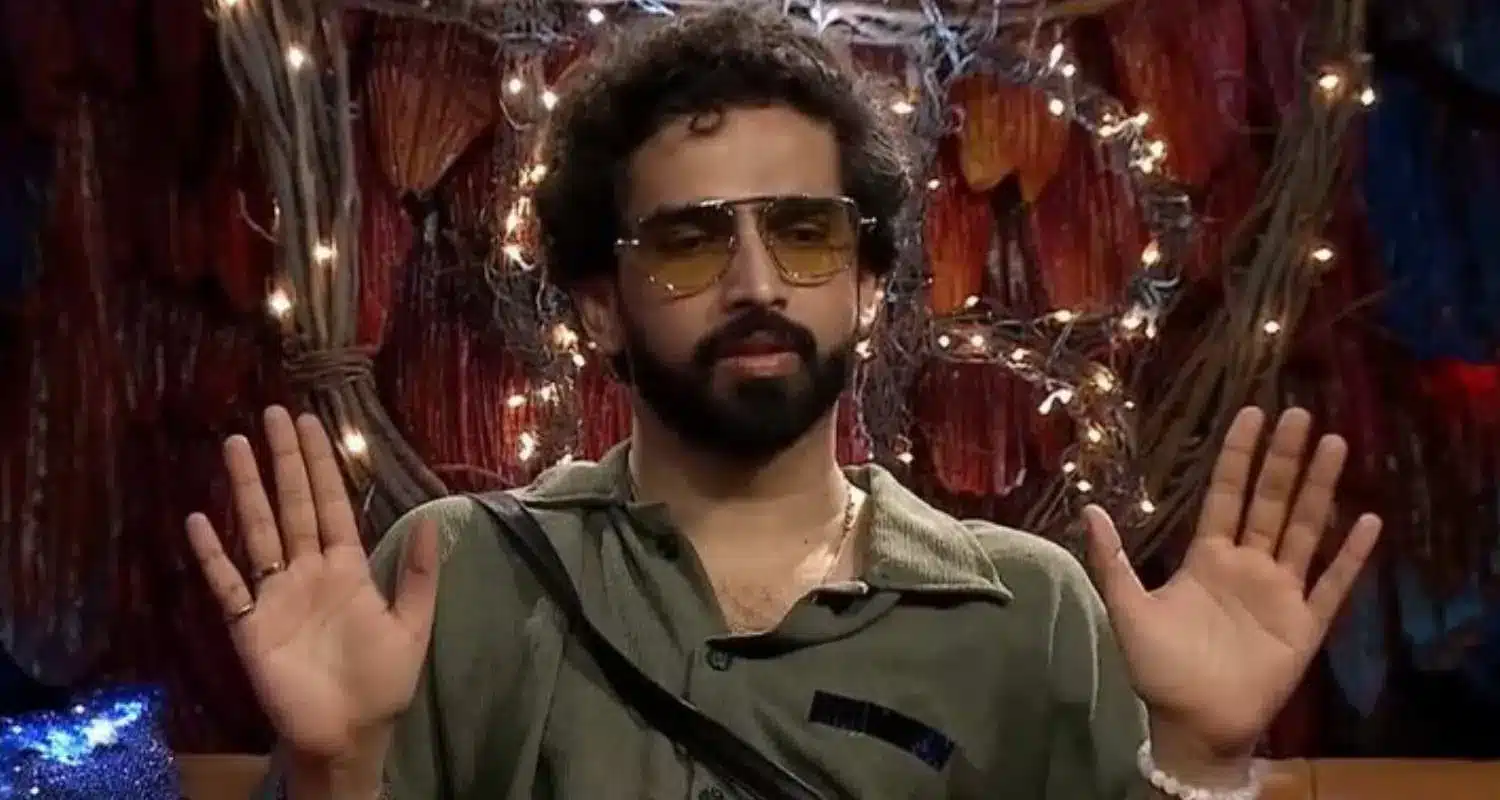
Singer and music composer Amaal Mallik has weighed in on the ongoing debate regarding the impact of violent films on societal behavior. His comments come in the wake of a disturbing incident in Andhra Pradesh, where a Class 10 student was attacked with an electric chainsaw by a 21-year-old man named Hemanth after she rejected his advances. This shocking event has led many to question whether films, particularly those by filmmaker Sandeep Reddy Vanga, contribute to such violent actions.
Amaal Mallik’s Perspective on Film Influence
In response to the discussions surrounding the incident, Amaal took to X (formerly Twitter) to express his views. He acknowledged that while films and music can indeed influence young minds, they should not be solely blamed for an individual’s actions. “I understand why people are concerned. Films and music can influence young people, and some kids copy what they see. Filmmakers should think about how they show violence. But cinema alone cannot be blamed for someone’s actions,” he stated.
Amaal emphasized that various factors, including family values, upbringing, and personal experiences, play a significant role in shaping an individual’s behavior. However, he firmly condemned the attack in Andhra Pradesh, stating, “I would never support anyone going into a school, college or any other place to kill someone with a chainsaw. It is horrifying and completely wrong.” He believes that while the incident deserves serious discussion, it is unfair to attribute blame to a single film, song, or filmmaker.
Critique of Double Standards in Media
Amaal also pointed out a perceived inconsistency in how films and songs are critiqued. He noted that while films often face scrutiny for their violent content, many songs with questionable themes continue to be celebrated. He mentioned his own tracks, such as “Kar Gayi Chull” and “Rom Rom Romantic,” along with other popular songs like “Beedi Jalaile” and “Munni Badnaam,” questioning why these tracks are featured on reality shows despite their controversial lyrics.
He further highlighted the prevalence of rap music and other content on platforms like YouTube and Instagram that glorify violence and objectify women. Amaal argued that if films are criticized for their content, songs should also be held to the same standard. “If we criticise films, we should be fair and look at songs too,” he remarked.
Sandeep Reddy Vanga’s Response
Filmmaker Sandeep Reddy Vanga also addressed the controversy surrounding the incident. In a post on X, he emphasized the need for empathy when discussing heinous crimes. “When someone commits a heinous crime, the first response should be empathy & an attempt to understand the larger problem. Not finding a convenient scapegoat in cinema,” he wrote. Vanga criticized those who use tragedies to settle personal scores, stating, “A tragedy deserves empathy 🙏, not opportunism. Learn the difference.”
Both Amaal Mallik and Sandeep Reddy Vanga’s comments reflect a growing concern about the implications of media representation and the responsibility of artists in shaping societal norms.

