

India’s Rice Exports to Iran: Navigating Potential Challenges from Donald Trump’s Sanctions Threat

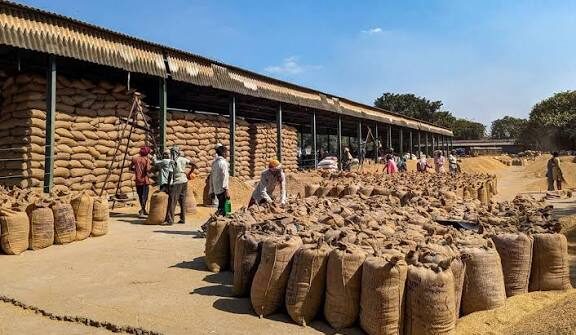
India, the largest exporter of rice globally, is optimistic about maintaining its rice trade with Iran despite the potential impact of new U.S. sanctions. Shipments are continuing even as prices rise and the region faces ongoing disruptions due to conflict. Rice constitutes nearly two-thirds of India’s $1.25 billion exports to Iran for the financial year ending in March, with Iran representing about 7% of India’s total global rice exports of $11.5 billion.
Demand from Iran remains strong, driven by food security concerns, according to Ajay Bhalothia, general secretary of the All India Rice Exporters Association. He expressed confidence that trade would persist despite U.S. sanctions targeting over 60 entities and warnings of economic repercussions for countries engaging with Iran.
Iran’s Rice Imports Surge
Iran imported over 1 million tonnes of rice in the last financial year, marking a 17% increase from the previous year, as per government data. Indian exporters believe that rice’s essential role as a staple food, coupled with limited alternative suppliers, will help sustain trade. Rice is a key ingredient in many Iranian dishes, including chelow and tahdig.
During the past year, Iran was India’s second-largest market for basmati rice by volume, following Saudi Arabia.
Alternative Payment Channels in Use
To navigate the sanctions, Indian traders are utilizing financial channels in the UAE, Germany, China, and Turkey for transactions with Iran. Bhalothia noted that these payment routes have remained operational without disruption. This approach is crucial as exporters have faced challenges related to banking and shipping restrictions due to sanctions.
In the first half of 2026, India exported $383.11 million worth of rice to Iran. Following the UAE’s suspension of trade and financial transactions with Iran, Turkey is being considered as an alternative route for payments. Other significant Indian exports to Iran include pharmaceuticals, tea, and chemicals, which exporters argue are unlikely to face disruptions due to their humanitarian nature.
Decline in Crude Oil Imports from Iran
While India continues to supply food and other goods to Iran, its crude oil imports from the country have significantly decreased. Since 2019, India has not regularly imported crude oil from Iran, except for a brief period this year due to U.S. waivers. Before sanctions were imposed, Iran was a major oil supplier to India.
SC Ralhan, president of the Federation of Indian Export Organisations, stated that Indian exports to Iran should not be adversely affected. However, he emphasized the need for government intervention to support exporters on humanitarian grounds. Concerns remain that prolonged disruptions could lead to increased costs in freight, insurance, and payments, particularly affecting the basmati rice sector. The overall trade relationship between India and Iran has already seen a sharp decline, with bilateral trade dropping over 90% from its peak of $17 billion in 2018-19.
Observer Voice is the one stop site for National, International news, Sports, Editor’s Choice, Art/culture contents, Quotes and much more. We also cover historical contents. Historical contents includes World History, Indian History, and what happened today. The website also covers Entertainment across the India and World.

