

National Workshop Enhances Child Health Program in India

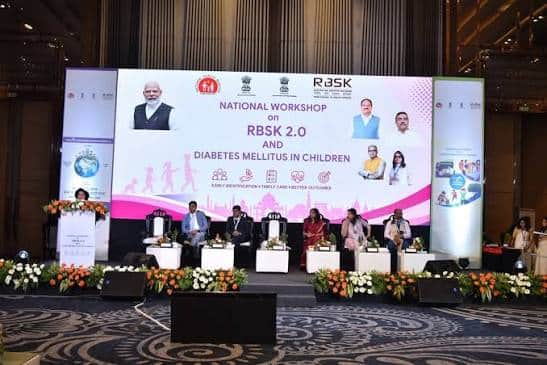
The Union Ministry of Health and Family Welfare (MoHFW) hosted a vital two-day National Workshop on the Samagra Shishu Bal Swasthya Karyakram (SSBSK) from August 24 to 25, 2026, in Chhatrapati Sambhajinagar, Maharashtra. Chaired by Smt. Aradhana Patnaik, Additional Secretary & Mission Director of the National Health Mission, the workshop gathered senior officials from the Ministry, state representatives, child health officers from across India, technical experts, and development partners.
With a focus on effective implementation of the SSBSK Operational Guidelines, participants emphasized strengthening the continuum of care for newborns and young children during their critical early years. The workshop aimed to refine the health strategies necessary to support children’s health from birth to three years.
In her keynote address, Smt. Patnaik highlighted India’s achievements in reducing infant and child mortality. However, she stressed the need for improved focus on vulnerable newborns, particularly during the first week of life, which is essential for survival and development. She asserted that the next three years are crucial for cognitive growth, where the SSBSK framework plays a significant role in ensuring every child receives adequate care.
Patnaik encouraged a shift from traditional service delivery methods to proactive, risk-based follow-up, urging states to harness the SSBSK framework for measurable health improvements. She called for enhanced cooperation among frontline workers, including ASHAs, ANMs, and Anganwadi Workers, coupled with effective supervision and monitoring to boost child health outcomes.
The workshop featured a welcome address by Dr. Shobhna Gupta, Deputy Commissioner at MoHFW, who underscored the need for coordinated efforts among stakeholders. This sentiment was echoed by Shri Sanjay Shripatrao Katkar of the Maharashtra Government, who emphasized the pivotal role of leadership and health systems in enhancing child survival.
Development partners, including representatives from CIFF, WHO India, UNICEF, and the Norwegian Embassy, also reaffirmed their commitment to fortifying newborn and child health services under the SSBSK initiative. They discussed various resources released during the session, including training videos and tools to support frontline health workers.
A key highlight of the workshop was the introduction of the Shaishav App, a digital platform designed to streamline the identification and monitoring of at-risk newborns and children. This app enables tracking of home visits, referral follow-ups, and creates comprehensive health profiles for children. This technological support is aimed at improving decision-making and ensuring that compassionate, family-centered care remains central to health services.
The SSBSK workshop also focused on enhancing follow-up care through community health platforms. The initiative aims to prevent children with health or developmental issues from being overlooked, stressing the importance of strengthening community support systems.
Participants engaged in discussions covering critical components of SSBSK, such as risk identification, home visits, maternal health, and nurturing care. They also emphasized the importance of family involvement in children’s caregiving, fostering crucial developmental practices within the home.
About the Samagra Shishu Bal Swasthya Karyakram (SSBSK): Launched by Health Minister Shri J.P. Nadda on June 29, 2026, SSBSK marks a transformative step in India’s approach to child health. It integrates home-based and community care into a unified framework aimed at ensuring children’s healthy growth and development from birth to three years old. By focusing on risk-differentiated care, at-risk children receive enhanced support, which includes regular home visits and a robust referral system for comprehensive care and oversight.
Observer Voice is the one stop site for National, International news, Sports, Editor’s Choice, Art/culture contents, Quotes and much more. We also cover historical contents. Historical contents includes World History, Indian History, and what happened today. The website also covers Entertainment across the India and World.

