

Middle East Oil Supply: Assessing Crude Flow Through the Strait of Hormuz

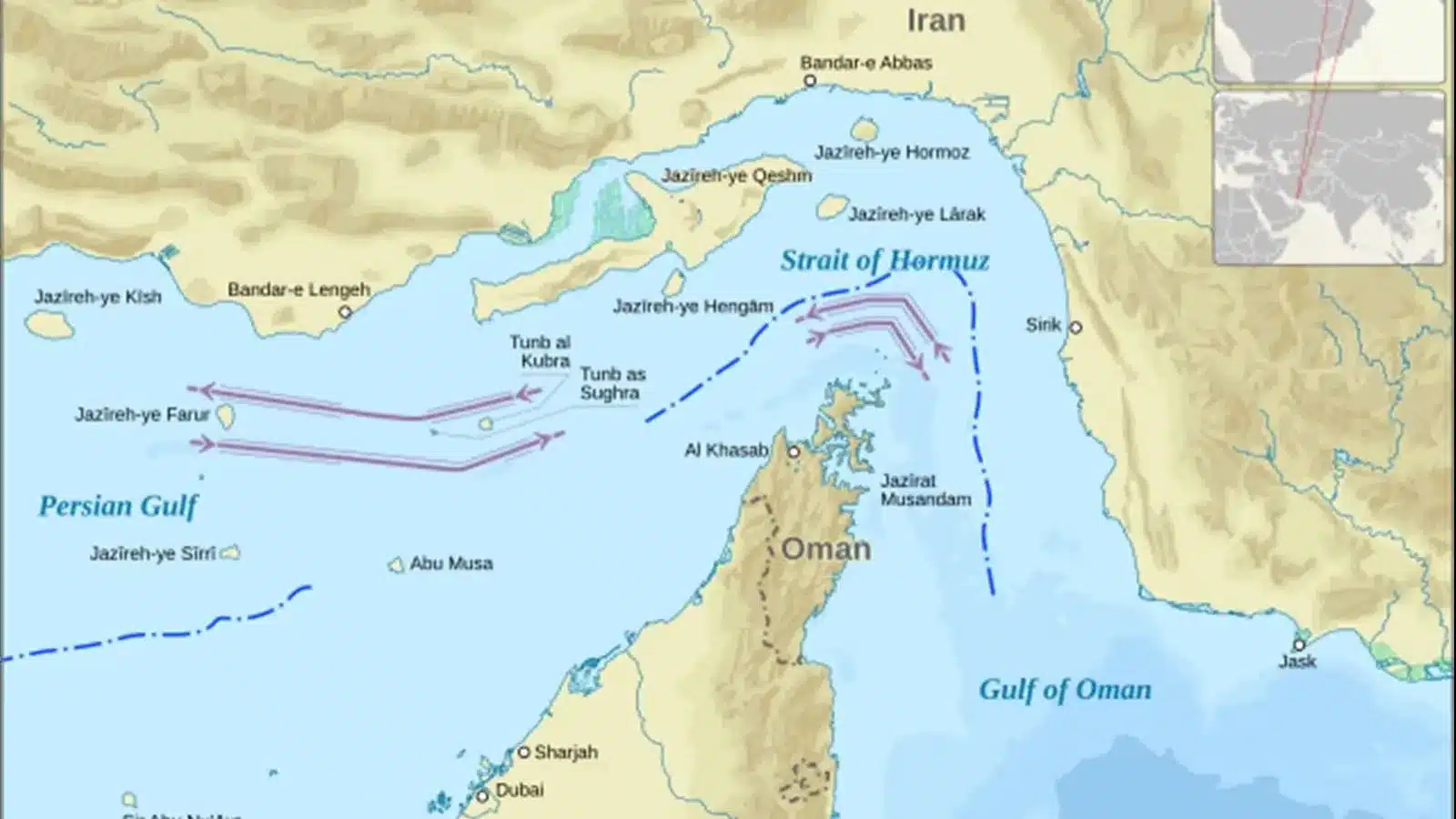
The ongoing US-Iran conflict has significantly impacted oil flows through the Strait of Hormuz, raising questions about the actual volume of crude oil moving through this critical passage. While market estimates indicate a sharp decline in shipments, US officials assert that oil is still flowing at a rate higher than many believe. The strait has faced increased military tensions, with Iran targeting tankers, leading to a notable drop in tanker traffic as reported by ship trackers.
US Energy Secretary Chris Wright claims that the strait remains open, with oil exports reportedly reaching 9 million barrels per day. This figure contradicts Iran’s assertions of a closed strait and ship-tracking data suggesting flows are closer to half that amount. The US military is actively patrolling the area and escorting vessels, while the Department of Energy collaborates with military officials to monitor oil movements.
Conflicting Data Clouds the Picture
Wright’s statement about oil flows contrasts sharply with data from Wall Street analysts, who rely on services like Kpler and Windward Intelligence. These sources estimate that approximately 4 million barrels of oil are currently being exported daily from the Persian Gulf, with an additional 7 million barrels rerouted through alternative methods. This brings total flows to between 11 million and 12 million barrels per day, significantly lower than the pre-war average of 20 million barrels.
Kpler defends its tracking methodology, which includes a network of 13,000 receivers monitoring 350,000 vessels globally. Analysts from Kpler and Windward have noted discrepancies, particularly on days when Wright claimed oil exports exceeded 20 million barrels. They reported only five ships leaving the strait on those days, a stark contrast to the more than 100 vessels that transited daily before the conflict began.
Shadow Fleet Adds to Uncertainty
The situation is further complicated by the emergence of a “shadow fleet.” As Iran intensifies its attacks on shipping, many vessels are now attempting to conceal their locations and cargoes. Recent data indicates that nearly half of the traffic tracked by Kpler through the Strait of Hormuz consists of these shadow transits, a significant increase from one-eighth a month ago.
Experts suggest that the market may eventually reveal higher oil export figures once tankers reactivate their transponders after navigating through dangerous areas. Some analysts, including Dan Pickering of Pickering Energy Partners, express openness to the Energy Department’s figures, suggesting that the US military’s presence may facilitate oil transport despite Iranian threats.
More Oil Could Keep Prices Lower
Wall Street analysts have acknowledged the possibility that they may have underestimated oil flows from the strait. JPMorgan’s Natasha Kaneva noted that low oil prices have prompted a reevaluation of how much oil could be leaving the Persian Gulf, including clandestine shipments. The market has largely aligned with the Trump administration’s perspective, maintaining optimism about a potential resolution to the conflict and the military’s ability to ensure oil supply.
If oil exports are indeed higher than anticipated, it could lead to a quicker replenishment of stockpiles and sustained lower prices. However, experts emphasize that the stability of the market is more critical than the precise flow estimates. Current global inventories are significantly below pre-war levels, and while the oil market remains in deficit, increased flows through the Strait of Hormuz could delay the depletion of reserves needed to meet global demand.
Observer Voice is the one stop site for National, International news, Sports, Editor’s Choice, Art/culture contents, Quotes and much more. We also cover historical contents. Historical contents includes World History, Indian History, and what happened today. The website also covers Entertainment across the India and World.

