

Middle East Fuel Oil Exports Reach Four-Month Peak Amid Recovery in Hormuz Shipping

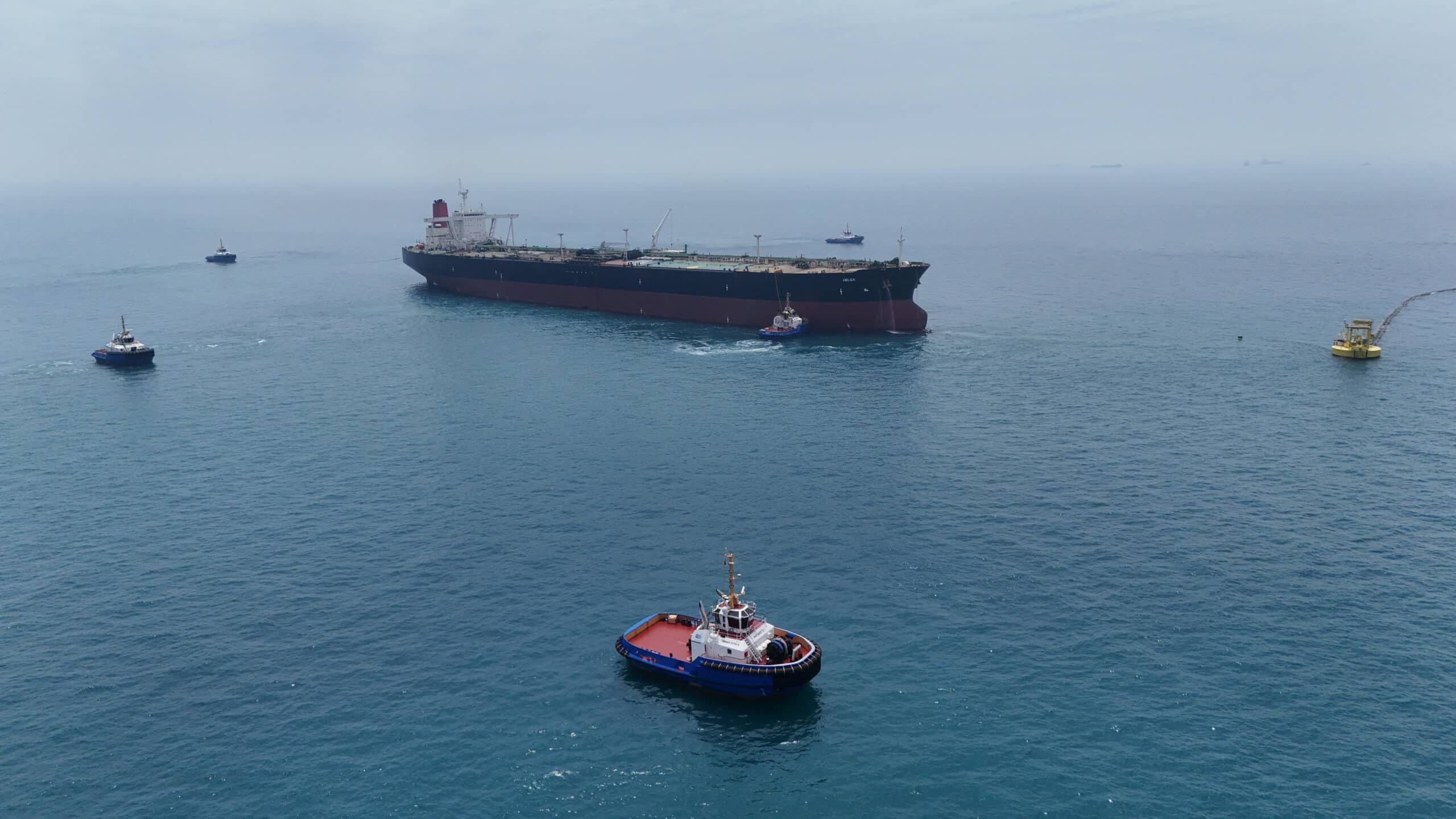
Middle Eastern fuel oil exports are projected to reach a four-month high in June, with volumes expected to hit approximately 2.4 million metric tonnes, or 508,000 barrels per day. This figure represents a more than 20% increase from May, according to data from Kpler and LSEG cited by Reuters. However, these shipments remain significantly below the pre-conflict monthly average of 5.5 to 6 million tonnes.
The rise in exports follows an interim agreement between the U.S. and Iran aimed at reducing hostilities, which has eased concerns over potential disruptions in the Strait of Hormuz, a crucial energy shipping route. As a result, high-sulphur fuel oil (HSFO) prices have decreased at major trading hubs, including Singapore.
Fuel oil flows through the Strait of Hormuz are anticipated to increase over the next 60 days, although experts caution that the recovery may not be substantial. Palash Jain, a Middle East oil consultant at FGE NexantECA, noted that uncertainty surrounding the negotiations and the stability of the peace agreement could keep shippers on alert.
Shipping data indicates that the Aframax tanker Gamsunoro, carrying around 80,000 tonnes of fuel oil from Iraq, recently exited the Strait of Hormuz en route to Fujairah. Analysts suggest that exports could rise further as more cargoes navigate through Hormuz in the coming weeks. However, tighter regional fuel balances and peak summer demand may limit a more significant recovery.
In June, Syria, Saudi Arabia, and Oman emerged as the largest exporters of HSFO from the Middle East. Iraq, which previously exported most of its fuel oil through Khor al-Zubair, has begun using Syria’s Baniyas port as an alternative route, with record volumes exceeding 600,000 tonnes in June. Saudi Arabia is also set to export over 300,000 tonnes from its Red Sea port of Yanbu, marking its highest level in five months. Oman’s fuel oil exports are projected to reach nearly 300,000 tonnes, the highest in over two years.
Despite an interim U.S. sanctions waiver, Iranian fuel oil exports are expected to remain limited due to ongoing banking and payment-related challenges. Financial settlement issues are likely to continue constraining trade, even as diplomatic efforts aim to ease regional tensions.
Observer Voice is the one stop site for National, International news, Sports, Editor’s Choice, Art/culture contents, Quotes and much more. We also cover historical contents. Historical contents includes World History, Indian History, and what happened today. The website also covers Entertainment across the India and World.

