

India’s Trade Resilience Highlighted in Latest Trade Watch Quarterly

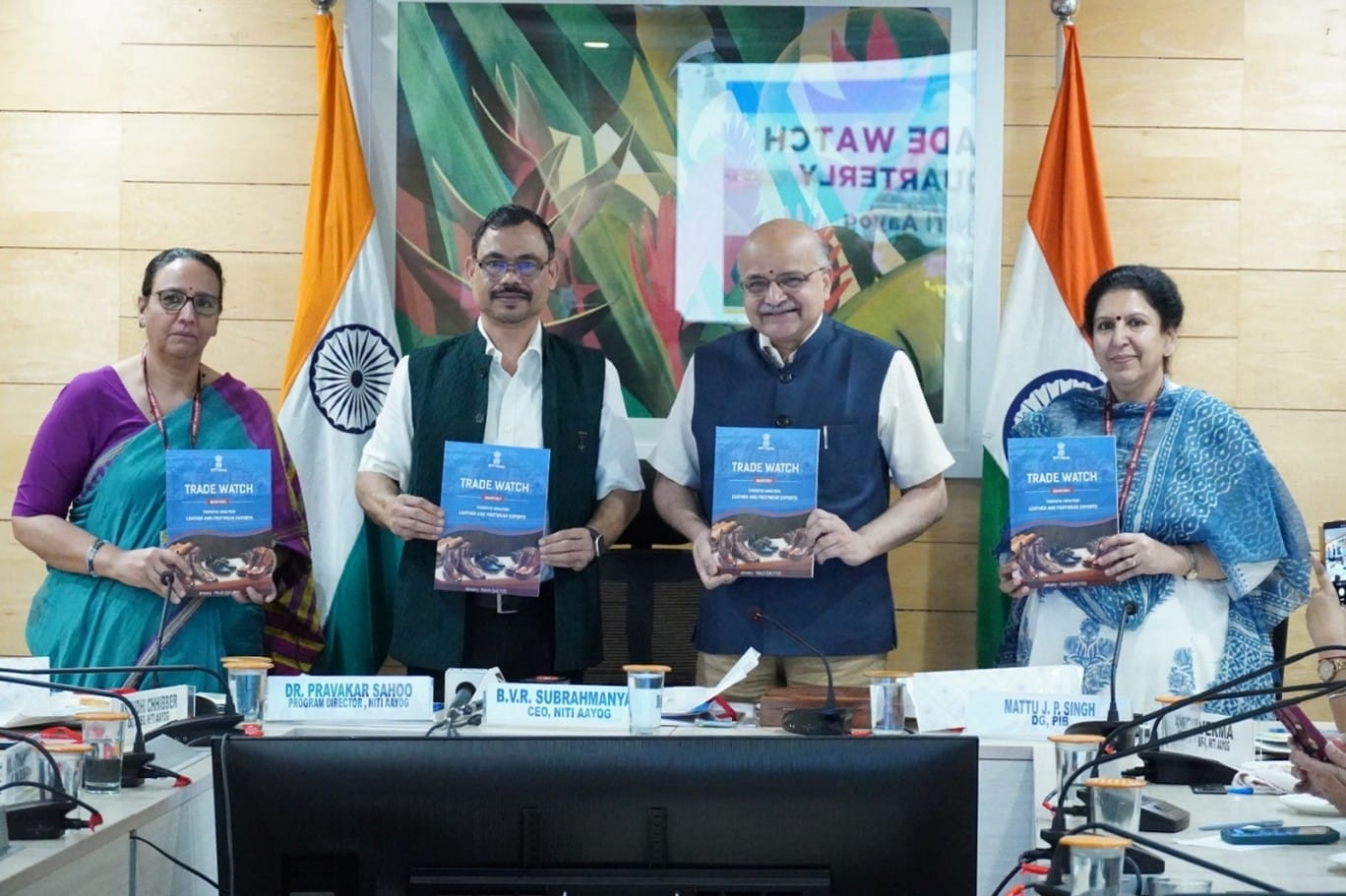
On June 23, 2026, Shri Ashok Kumar Lahiri, Vice-Chairman of NITI Aayog, unveiled the Q4 edition of the “Trade Watch Quarterly” for FY 2025-26, covering the January to March 2026 period. The release event, which took place in New Delhi, was attended by key officials, including the CEO of NITI Aayog.
The latest publication presents an in-depth analysis of both global and domestic trade trends, showcasing how global trade has remained robust amid ongoing macroeconomic and geopolitical challenges. Notably, India’s total merchandise and services trade saw a year-on-year increase of 5.4%, reaching a remarkable $1.84 trillion during the fiscal year, reflecting the nation’s economic strength.
Focus on Pharmaceutical Sector
This edition specifically shines a light on India’s pharmaceutical sector—a critical component of the economy known for its global competitiveness. India stands out as a major supplier of generic medicines, vaccines, and essential therapeutics, significantly bolstering global health security. The report extensively analyses worldwide demand patterns alongside India’s export capabilities, identifying fresh opportunities while also addressing competitive advantages and areas in need of enhancement.
In Q4 FY 2025-26, India’s trade performance was characterized by stable external sector resilience, bolstered by robust growth in services trade. Even though merchandise exports experienced a decline while imports surged, the overall trade composition remained stable. Services exports climbed by 9.0%, enabling India to maintain its position as the eighth-largest services exporter globally in 2025, with a notable compound annual growth rate of 10.3% from 2015 to 2025—well above the global average.
Challenges and Opportunities Ahead
India’s pharmaceutical sector is deemed pivotal for future growth, supported by strong manufacturing capabilities and increasing integration into international healthcare supply chains. The global pharmaceutical market is projected to reach approximately $1.3 trillion by 2025. India’s pharmaceutical and Active Pharmaceutical Ingredients (API) exports totaled around $35.8 billion, indicating the country’s significant role in global health despite its modest share in the market.
The analysis reveals that India excels in exporting formulations, particularly in the retail medicaments category, yet faces challenges in high-value segments such as biologics and advanced therapeutics. Moreover, while India has strengthened its position in specialized chemical intermediates and antibiotics, dependence on imported raw materials, especially from China, continues to be a concern.
Leading states like Telangana, Gujarat, and Maharashtra are recognized as key drivers of this sector, thanks to their robust manufacturing ecosystems and supportive policy frameworks. The publication encourages further exploration of high-value markets and strengthening domestic production capabilities to bolster supply chain resilience.
In his address, Shri Ashok Kumar Lahiri emphasized that India’s capacity to diversify its export base and reinforce domestic sectors will be crucial for future growth and resilience. He indicated that while India is a strong competitor in the realm of generic medicines, the focus must shift towards innovation-driven initiatives and the strengthening of domestic production ecosystems.
This latest report serves as an essential resource for policymakers, industry leaders, researchers, and academics, providing data-rich insights and strategic recommendations aimed at enhancing India’s trade competitiveness in an evolving global economy.
Observer Voice is the one stop site for National, International news, Sports, Editor’s Choice, Art/culture contents, Quotes and much more. We also cover historical contents. Historical contents includes World History, Indian History, and what happened today. The website also covers Entertainment across the India and World.
Follow Us on Twitter, Instagram, Facebook, & LinkedIn

