

One Year Later: Unanswered Questions Persist in Air India Crash Investigation

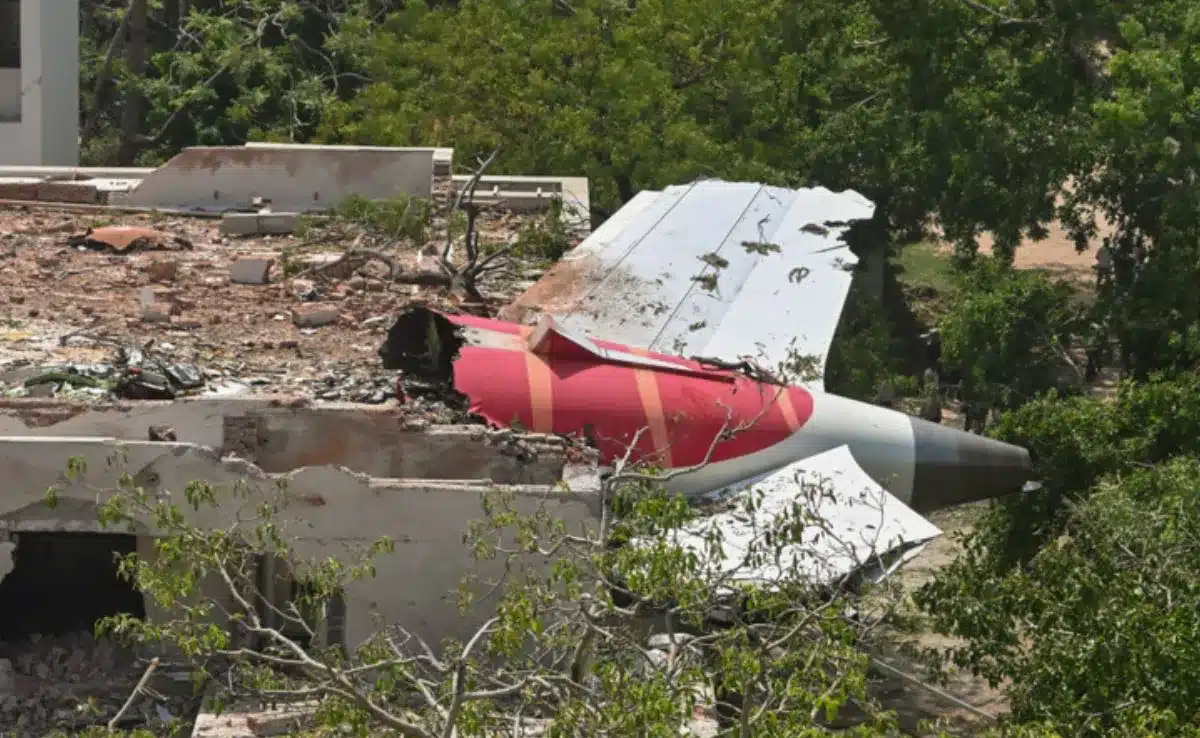
A year after the tragic crash of Air India Flight 171 shortly after takeoff from Ahmedabad, investigators are still grappling with the reasons behind the disaster that claimed 260 lives. An update from India’s Aircraft Accident Investigation Bureau (AAIB) on the first anniversary of the incident revealed that the analysis of crucial data, including flight recorders and maintenance records, is ongoing. Despite initial findings indicating a sudden loss of power due to fuel-control switches being moved to the “cut-off” position, the investigation remains complex and inconclusive.
Investigation Progress and Findings
The AAIB’s latest update, released on the anniversary of the crash, provided limited new insights. Investigators are still examining various factors, including flight recorder data, aircraft systems, and human elements. A preliminary report published last July highlighted a critical moment shortly after takeoff when the Boeing 787 Dreamliner’s fuel-control switches unexpectedly shifted to “cut-off,” leading to a total power loss in both engines. This abrupt change occurred just seconds after the aircraft had lifted off, raising significant questions about the circumstances surrounding the crash.
The cockpit audio has added another layer of complexity to the investigation. It captured a conversation between the pilots, with one asking the other why a certain action was taken, to which the response was, “I did not.” This exchange has led to speculation about potential deliberate actions in the cockpit, although investigators have not confirmed the identities of the voices involved. The unusual nature of the crash, occurring immediately after takeoff, has drawn attention, as such incidents are relatively rare in aviation.
Key Questions and Theories
As the investigation enters its second year, several critical questions remain unanswered. Experts emphasize the need to determine the precise timing of the engine failure and the movement of the fuel-control switches. John Cox, a former airline pilot, noted that the timing of the engine failure is crucial for understanding the cause. He highlighted the importance of establishing whether the aircraft experienced technical issues during the flight or in previous sectors.
The ongoing delay in the investigation suggests that multiple hypotheses are being considered. Shawn Pruchnicki, an aviation expert, pointed out that air crash investigations are rarely straightforward. The lack of a clear cause after a year indicates that investigators are still weighing various possibilities, including mechanical issues and human factors. Some experts have raised concerns that speculation about the cause could hinder the investigation’s progress and the eventual public trust in the final report.
Focus on Cockpit Actions and Technical Factors
The preliminary report’s findings have sparked debate regarding the role of the pilots in the crash. The focus on cockpit actions has drawn criticism from pilots’ groups and safety advocates, who argue that the investigation should also consider the aircraft’s technical condition. Captain CS Randhawa, head of the Federation of Indian Pilots, emphasized the need to examine encrypted health-monitoring messages that provide critical data on the aircraft’s systems.
While the preliminary report did not mention any technical issues, it stated that the Boeing 787-8 was in compliance with airworthiness standards and had logged significant flight hours. The engines, although not new, were within the expected service life for modern aircraft. This has led to speculation about the possibility of a dual-engine failure, which is exceptionally rare. Investigators typically look for common causes in such cases, but no definitive explanation has emerged in this instance.
Emerging Theories and Future Directions
Several theories have emerged regarding the crash, including the possibility of an electrical fault that could have triggered a reboot of the aircraft’s flight computers shortly after takeoff. This scenario suggests that the cockpit fuel switches may not have been physically moved but rather that an electronic command could have caused the engines to lose power. Investigative journalist Rachel Chitra has raised questions about inconsistencies in the preliminary report, including the engines’ attempts to relight after fuel was restored.
As the investigation continues, experts believe that the engines’ Exhaust Gas Temperature (EGT) data could provide valuable insights. By comparing the timing of the EGT drop with the movement of the fuel switches, investigators may determine whether the engines lost power before or after the switches were activated. The full cockpit voice transcript may also hold crucial information that could clarify the events leading up to the crash.
The complexity of the investigation reflects the high stakes involved, with various stakeholders, including families of the victims, pilot unions, and the airline, all invested in the outcome. As the AAIB works to uncover the truth behind the Air India Flight 171 disaster, the aviation community remains focused on ensuring safety and accountability in the industry.
Observer Voice is the one stop site for National, International news, Sports, Editor’s Choice, Art/culture contents, Quotes and much more. We also cover historical contents. Historical contents includes World History, Indian History, and what happened today. The website also covers Entertainment across the India and World.

