

China Launches World’s First Commercial Brain Chip, Surpassing Elon Musk’s ‘Jesus-Level Technology’

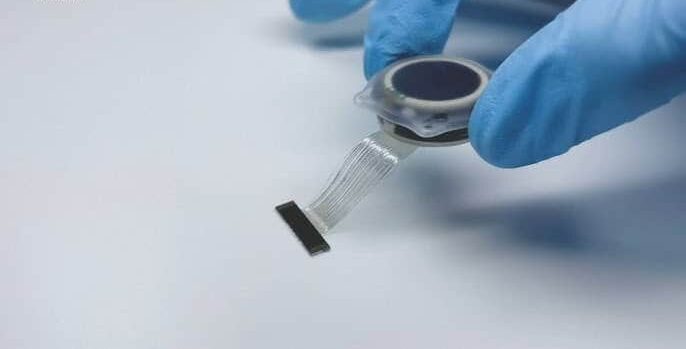
China has taken a significant lead in the brain-computer interface (BCI) sector by approving the world’s first commercially available brain chip, known as NEO. This coin-sized implant has successfully completed clinical trials and is set to enter mass production for China’s state-run healthcare system. Developed by researchers at Tsinghua University and Neuracle Technology in Shanghai, NEO aims to assist patients with spinal cord injuries and paralysis in regaining control over their nervous systems.
The NEO device is notable for its design, which places it between the skull and the brain, minimizing invasiveness. Unlike Elon Musk’s Neuralink, which requires electrodes to penetrate the cerebral cortex, NEO utilizes eight sensors that sit against the brain’s protective outer membrane. This approach has already yielded positive results in trials involving 36 patients, potentially reducing the medical risks associated with traditional brain implants.
The ‘Jesus-level technology’
Brain-computer interfaces convert brain signals into digital commands, allowing users to control computers and devices. Elon Musk has touted the transformative potential of this technology, referring to it as “Jesus-level technology.” He emphasized the importance of restoring control for individuals with severe disabilities, claiming that Neuralink’s implants could enable users to operate devices using only their thoughts. Supporters envision a future where digital communication occurs through thoughts alone, eliminating the need for physical interaction.
How China’s NEO differs from Neuralink
Analysts suggest that China’s rapid advancement in BCI technology is partly due to the less invasive design of the NEO implant. The device’s configuration may help mitigate some medical risks typically associated with brain implants. Experts believe that brain-computer interfaces could significantly enhance the quality of life for millions suffering from neurological disorders, including Parkinson’s disease, epilepsy, and depression. However, the technology also raises concerns regarding privacy and security. Cybersecurity experts warn that brain implants could be vulnerable to hacking, potentially exposing sensitive neural data or impairing cognitive functions.
Neuralink’s N1 implant is currently undergoing trials with nine patients. One participant, Audrey Crews, shared her experience, stating that she was able to write her name for the first time in 20 years, illustrating the potential impact of this technology on individuals’ lives.
Observer Voice is the one stop site for National, International news, Sports, Editor’s Choice, Art/culture contents, Quotes and much more. We also cover historical contents. Historical contents includes World History, Indian History, and what happened today. The website also covers Entertainment across the India and World.
Follow Us on Twitter, Instagram, Facebook, & LinkedIn

