

Nomura Economist Highlights Limited Economic Impact of AI Chip Boom on South Korea’s Broader Market

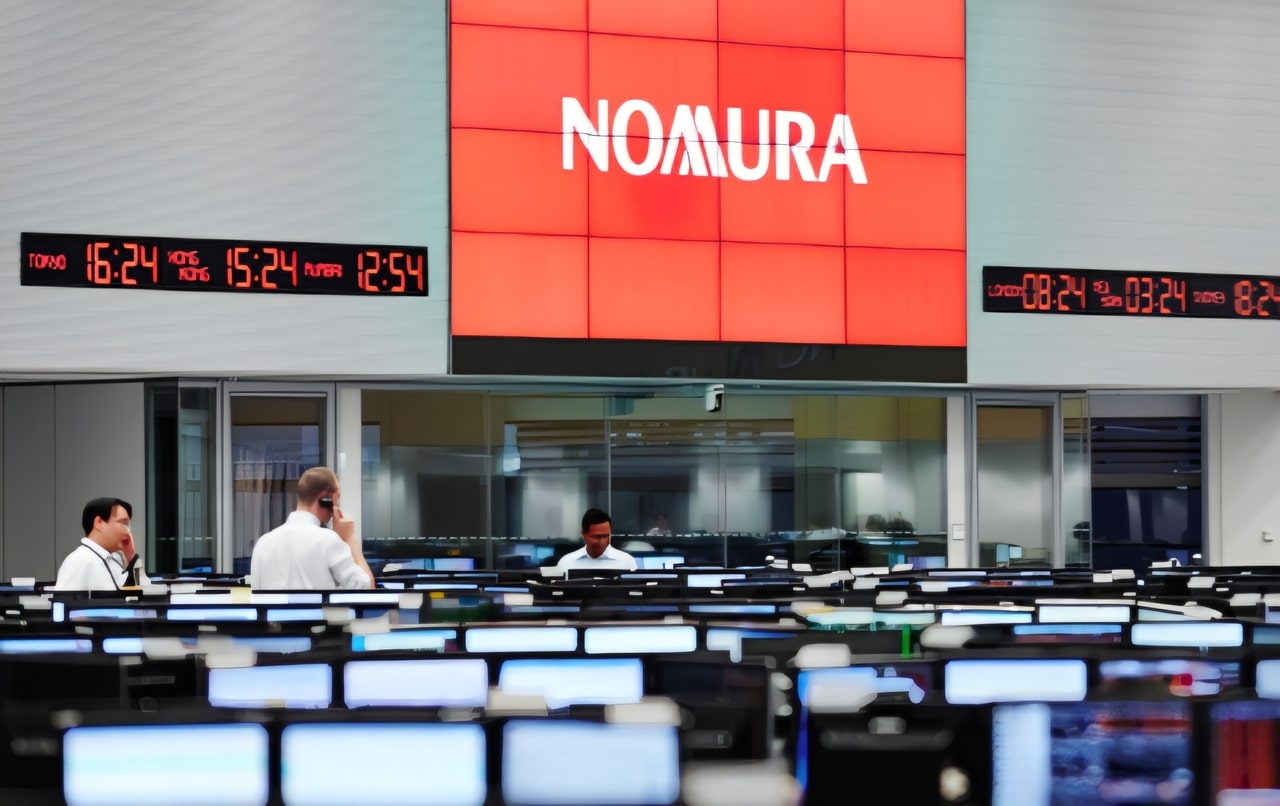
South Korea’s semiconductor sector, driven by artificial intelligence advancements, has yet to significantly impact the broader economy. Concerns over the won and financial stability are increasing the likelihood of a rate hike by the Bank of Korea (BOK) next month, according to Park Jeong-woo, Nomura’s senior economist for South Korea and Taiwan. He emphasized that while semiconductor stocks are performing well, this strength has not translated into wider economic activity.
Limited Economic Spillover
During a media briefing in Seoul, Park stated that the key issue is whether the semiconductor industry’s success is benefiting the overall economy. He noted that the BOK has shifted its focus since May, moving away from a K-shaped recovery narrative to expectations of trickle-down effects from the semiconductor boom. However, Nomura remains skeptical about the broad-based benefits of this growth. “So far, the evidence that the warmth is spreading to domestic demand is not that strong,” Park remarked.
Despite strong global demand for AI-related chips boosting semiconductor exports and equity markets, Nomura believes the broader economy has not yet fully capitalized on this boom. Park pointed out that while semiconductor exports have increased, they are primarily driven by price effects, with shipment volume growth not exceptional by historical standards. Consequently, the sector’s contribution to gross domestic product may be less significant than the headline export figures suggest.
Mixed Consumption Data
Business investment has been bolstered by chipmakers’ capital expenditure, which is expected to remain strong through the third quarter. However, this effect may diminish later in the year, as construction activity faces challenges from high interest rates and rising building costs. Consumption data presents a mixed picture; department store card spending surged 17%, significantly outpacing overall card spending growth of about 2.5%. However, much of this increase is concentrated in luxury purchases, while domestic automobile sales fell by approximately 8% in May. “The evidence that the semiconductor and stock market boom is moving into consumption is still not very strong,” Park stated.
Nomura forecasts South Korea’s economy will grow by 2.4% this year, slightly below the BOK’s estimate of 2.6% but above the country’s potential growth rate of less than 2%. Park described this growth rate as appropriate given the higher expectations and the limited spread of strength into domestic demand.
Inflation and Interest Rate Outlook
On inflation, Park indicated that current price pressures are primarily supply-driven rather than stemming from robust demand. Employment and wage indicators do not reflect the broad inflationary pressures seen from 2021 to 2023. He anticipates inflation may peak around August or September. Despite this, Nomura expects the BOK to raise its policy rate in July, potentially reaching 3.25%. Park noted that this decision would be influenced more by financial stability concerns, particularly regarding the won and the housing market, rather than growth and inflation issues. He added that a 25-basis-point hike would not significantly affect the exchange rate, and a larger increase would likely burden households and companies.
Observer Voice is the one stop site for National, International news, Sports, Editor’s Choice, Art/culture contents, Quotes and much more. We also cover historical contents. Historical contents includes World History, Indian History, and what happened today. The website also covers Entertainment across the India and World.

