

US Takes Action Against 60 Countries for Forced Labour Issues: India’s Inclusion Explained

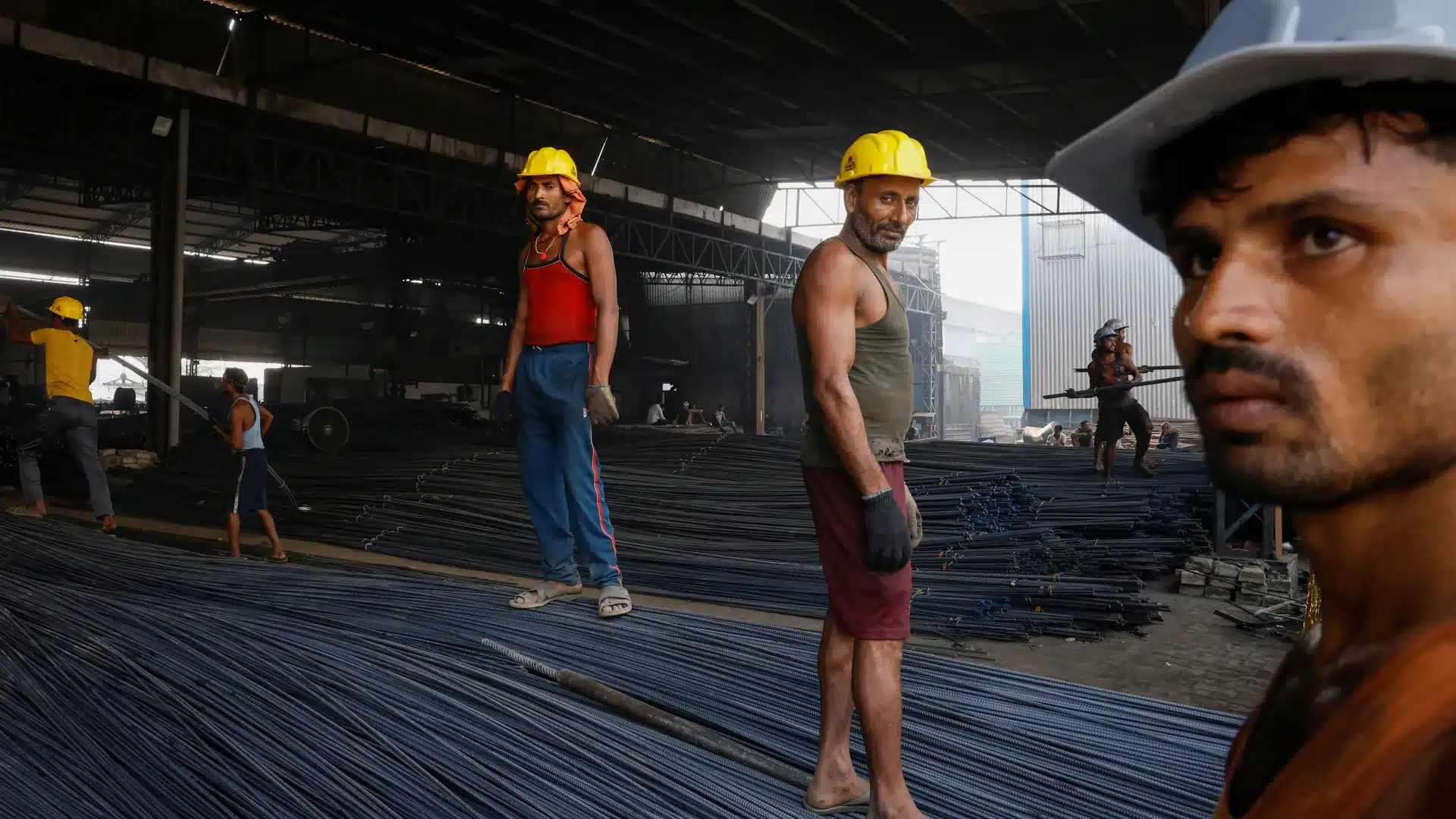
India is facing the possibility of additional tariffs from the United States as part of ongoing trade negotiations. The U.S. Trade Representative (USTR) has identified India among several countries that may be subject to tariffs due to concerns over forced labor in global supply chains. This proposal comes as senior officials from both nations engage in a three-day round of trade talks in New Delhi, with the USTR suggesting tariffs of 10% to 12.5% on imports from affected economies.
USTR’s Findings on Forced Labor
The USTR’s report indicates that India has not effectively enforced a prohibition on the importation of goods produced with forced labor. India is one of 54 economies cited for failing to impose and enforce such measures. The report states that India’s practices are unreasonable and impose restrictions on U.S. commerce. The investigation, initiated in March 2026, examined economies responsible for 99.4% of U.S. imports, focusing on the entry of goods produced with forced labor.
The investigation particularly scrutinized products that use imported inputs from China, which are suspected of being produced under forced labor conditions. For instance, India’s solar panel exports often rely on polysilicon sourced from Chinese supply chains linked to forced labor allegations. Similarly, the electronics and textile sectors in India depend on Chinese components and materials that could face increased scrutiny.
Proposed Tariffs and Trade Measures
The USTR has proposed that countries already prohibiting imports linked to forced labor, or those with reciprocal trade arrangements, would face a 10% additional tariff. Countries that do not meet these criteria could see tariffs as high as 12.5%. Additionally, a separate mechanism for textiles and apparel would allow a specified volume of imports from selected economies to enter the U.S. market at a lower tariff rate.
Ambassador Jamieson Greer emphasized the importance of addressing forced labor in trade, stating that the failure of major trading partners to tackle this issue creates an uneven playing field for American workers. The USTR intends to pursue responsive trade actions based on the findings of its investigations.
Understanding Section 301
Section 301 of the U.S. Trade Act of 1974 empowers the USTR to investigate foreign trade policies and practices. The aim is to identify measures that are unfair or discriminatory and that impose unreasonable burdens on U.S. trade interests. If harmful practices are identified, the U.S. administration can implement corrective actions, including higher tariffs and trade restrictions.
Observer Voice is the one stop site for National, International news, Sports, Editor’s Choice, Art/culture contents, Quotes and much more. We also cover historical contents. Historical contents includes World History, Indian History, and what happened today. The website also covers Entertainment across the India and World.

