

Why Spider Numbers in UK Homes Are Rising – and What Homeowners Can Do About It

Spiders are a familiar sight in British homes, especially as summer fades and autumn arrives. But new figures suggest their presence is becoming harder to ignore, and for some households, the problem is serious enough to call in professional help.
Hospital Admissions Have Doubled
NHS data shows that 100 people in England were admitted to hospital in 2025 due to contact with spiders or their venom. That figure has more than doubled from just 47 admissions in 2015. Experts link the rise largely to the spread of the noble false widow spider, which has expanded its range across Britain over the past decade.
The UK’s 650 Species – Most Harmless, One to Watch
The UK is home to around 650 spider species, but only a small number ever make it indoors. Common species like the giant house spider and the cellar spider are entirely harmless, quietly eating flies and mosquitoes in the background.
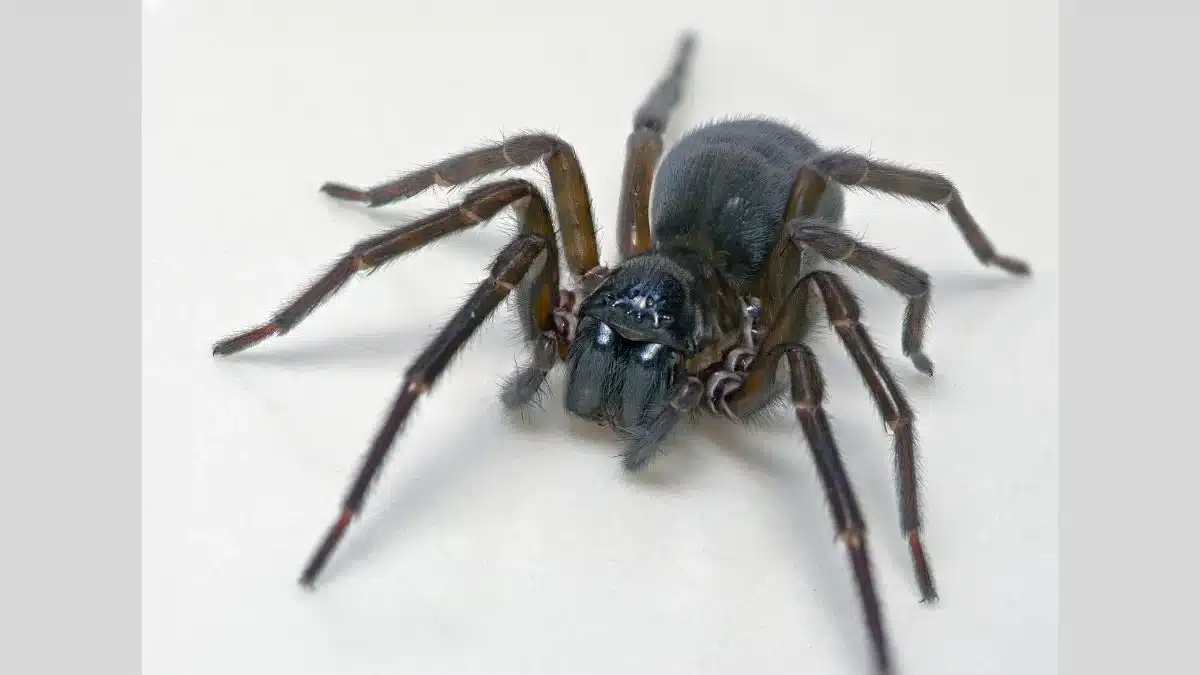
The species that has drawn the most concern is the noble false widow (Steatoda nobilis). Dark brown with a bulbous abdomen, it is sometimes confused with a black widow, which is not native to Britain. A bite can cause localised pain and swelling, and in rare cases mild flu-like symptoms. Medical advice should be sought if symptoms do not settle quickly.
Why Autumn Brings More Spiders Indoors
Spider activity peaks between September and October each year. During this period, adult male spiders leave their webs and wander in search of mates, which is why householders notice far more of them crossing floors and appearing in bathrooms than at any other time of year. In southern counties, mild weather can push this season well into November.
Central heating, gaps around windows and doors, and clutter in lofts or garages all make homes more attractive. Properties with dense planting close to exterior walls also tend to see higher numbers, as outdoor vegetation provides ready nesting conditions right beside the building.
Prevention Steps Householders Can Take
There are practical steps that can reduce the number of spiders entering a home. Sealing gaps around windows, doors, and pipework removes easy entry points. Reducing outdoor lighting helps, as bright lights draw in the flying insects that spiders feed on. Keeping vegetation trimmed and removing wood piles from close to exterior walls cuts down on outdoor nesting spots nearby.
Inside, decluttering lofts and garages removes the dark, undisturbed spaces spiders favour. Diluted peppermint or eucalyptus oil sprayed around entry points can also act as a deterrent, as spiders tend to avoid strong scents. Regular vacuuming of corners and skirting boards removes webs and discourages spiders from settling.
When to Consider Professional Help
For most households, the occasional spider is nothing more than a minor inconvenience. But when sightings become frequent, or when a property has an established infestation of false widow spiders, professional spider pest control offers a more thorough and lasting solution than home remedies alone.
A trained technician can identify the species present, locate nesting areas, and apply targeted treatments that are safe for the household. This approach is especially useful where children or vulnerable people live, or where DIY efforts have had limited success.
A Changing Picture
The doubling of spider-related hospital admissions over ten years is a reminder that pest populations in the UK are not standing still. Climate change and the accidental import of non-native species have both contributed to shifts in what householders find at home.
For most people, spiders remain a nuisance rather than a genuine danger. Knowing which species can bite and what conditions attract them puts householders in a much stronger position. When the problem goes beyond what a vacuum and a peppermint spray can handle, professional spider pest control remains an accessible and reliable option.
Observer Voice is the one stop site for National, International news, Sports, Editor’s Choice, Art/culture contents, Quotes and much more. We also cover historical contents. Historical contents includes World History, Indian History, and what happened today. The website also covers Entertainment across the India and World.
Follow Us on Twitter, Instagram, Facebook, & LinkedIn

